
Trans PRK Surgery in Navi Mumbai
Touch-Free Surface Laser Vision Correction
Trans PRK, also called transepithelial PRK, is a surface laser vision correction procedure. Unlike LASIK, it does not involve creation of a corneal flap. The laser works on the corneal surface to reshape the eye for selected refractive errors.
It can be considered for patients where a surface-based treatment is preferred after testing. At Laxmi Eye Hospital & Institute, Trans PRK is evaluated along with LASIK surgery, SMILE, SILK, Contoura Vision and ICL/IPCL.
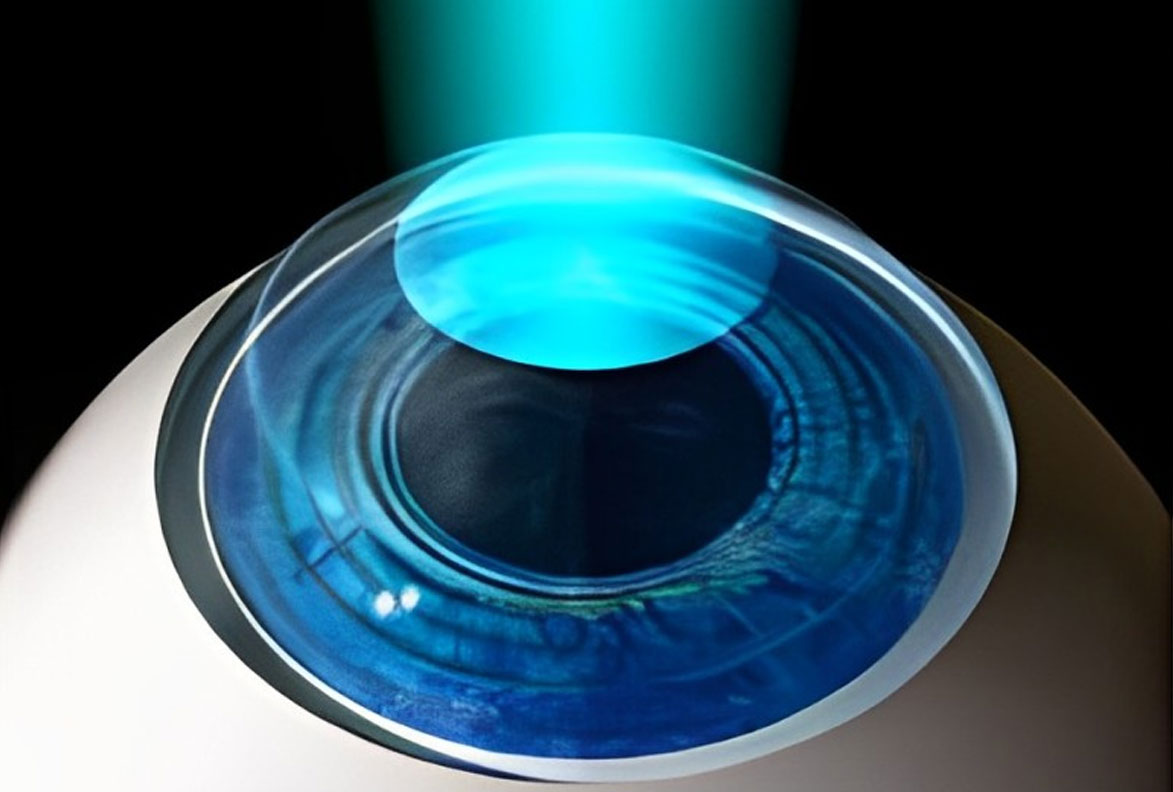
When Trans PRK May Be Considered
When a flapless surface procedure is preferred.
When corneal parameters need a conservative treatment plan.
For selected active lifestyles where avoiding a flap may be helpful.
When diagnostic tests support surface ablation.
When the surgeon finds it more suitable than LASIK or SMILE.
When the patient understands recovery expectations.
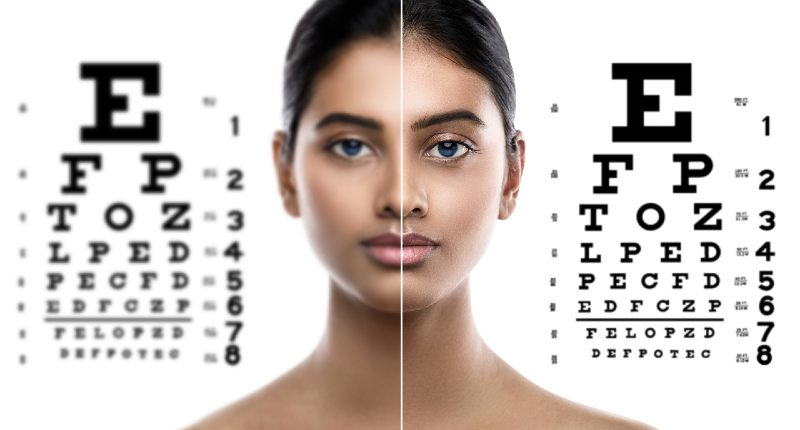
Recovery After Trans PRK
Trans PRK recovery can be different from LASIK. Since the surface layer heals after treatment, patients may have watering, irritation, light sensitivity or blurred vision during the early recovery period. A bandage contact lens and prescribed eye drops are commonly used as advised by the doctor.
Vision improvement is gradual. Your surgeon will explain follow-up visits, eye drop schedule, screen precautions and activity restrictions based on your eye condition.
Trans PRK Surgery FAQs
- Q. 1Is Trans PRK flapless?
Yes. Trans PRK is a surface laser procedure and does not require creation of a corneal flap.
- Q. 2Is recovery slower than LASIK?
Recovery after PRK-type procedures is usually more gradual than LASIK. Your surgeon will explain expected healing and follow-up care.
- Q. 3How do I compare Trans PRK with SMILE and ICL?
Read our comparison page on PRK vs LASIK vs SMILE vs ICL and book a consultation for personalized advice.
- Q. 4Can Trans PRK remove glasses permanently?
The goal is to reduce dependence on glasses or contact lenses. Results depend on eye suitability, healing and age-related future changes.
At Laxmi, the most trusted Eye hospital, we have a heritage of quality eye care spanning 3 decades and over 25 lakh satisfied patients. Our doctors are highly qualified and experienced super specialists, with most of them being fellowship-trained at eminent national and global institutions.
 Call
Call
All Copyright© Reserved @ Laxmi Eye Hospital And Institute