
Squint Eye Treatment in Kharghar at Laxmi Eye Institute & Hospitals
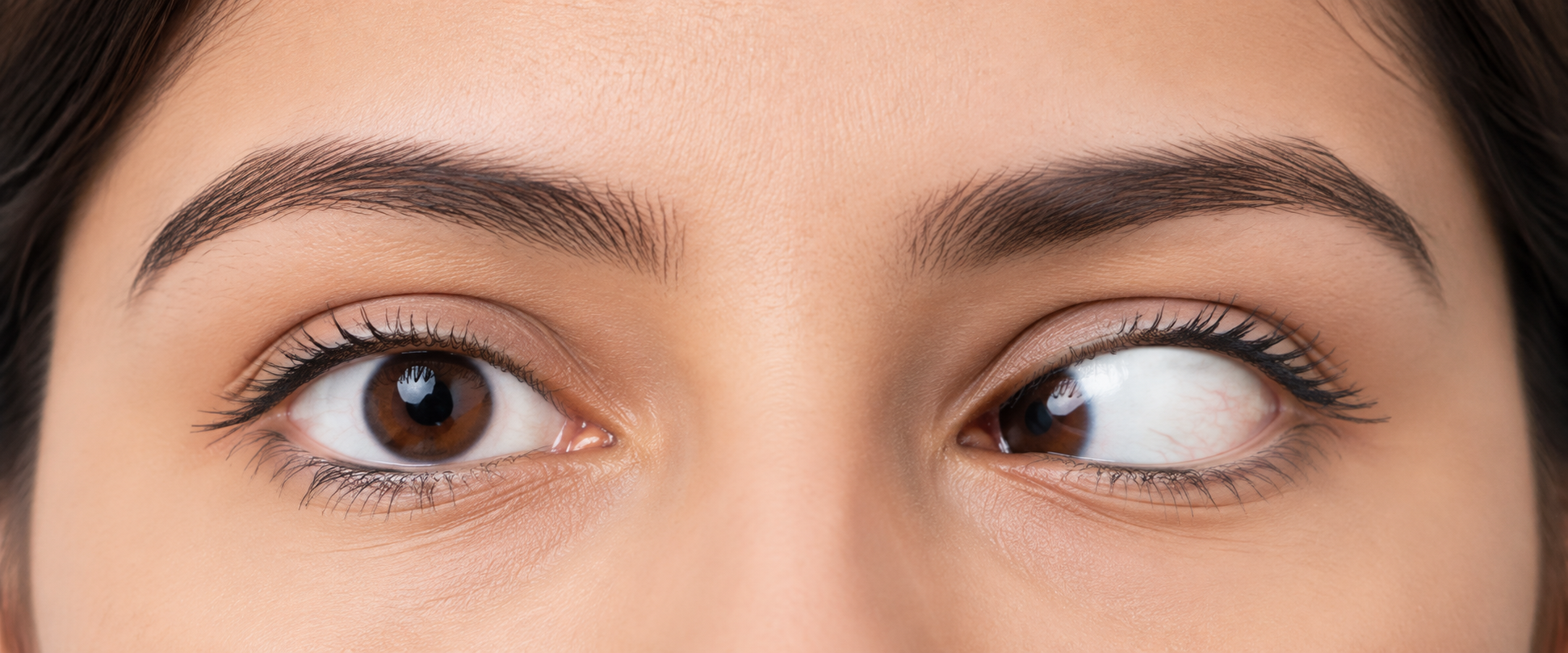
Squint eye, also known as strabismus, is a condition where both eyes do not align properly and may point in different directions. One eye may look straight while the other eye turns inward, outward, upward, or downward.
Squint can affect children and adults and may impact depth perception, eye coordination, and vision development. Early evaluation and appropriate treatment can help improve eye alignment and visual function.
Squint Eye Treatment in Kharghar at Laxmi Eye Institute & Hospitals focuses on accurate diagnosis and personalised treatment plans based on the type, severity, age of the patient, and overall eye health.
What is Squint Eye (Strabismus)?
Squint eye or strabismus is a condition in which the eyes are not aligned and do not work together in coordination.
Normally, both eyes move together and send matching images to the brain. In squint, improper coordination between the eye muscles and nerves can cause one eye to deviate from its normal position.
Squint may be:
Constant or occasional
Present since childhood or develop later in life
Visible all the time or noticeable only in certain situations
Types of Squint Eye
Esotropia (Inward Turning of Eye)
In this type, one or both eyes turn inward towards the nose. It is commonly seen in children.
Exotropia (Outward Turning of Eye)
The affected eye turns outward away from the nose. It may become more noticeable when a person is tired or focusing on distant objects.
Hypertropia (Upward Turning of Eye)
One eye turns upward compared to the other eye due to imbalance in eye muscle coordination.
Hypotropia (Downward Turning of Eye)
One eye is positioned lower than the other eye.
Paralytic Squint
This occurs due to weakness or paralysis of one or more eye muscles, often affecting eye movement.
Causes of Squint Eye
Squint can develop due to various factors, including:
Eye Muscle Imbalance – Weakness or improper coordination of eye muscles can affect eye alignment.
Refractive Errors – Uncorrected vision problems such as high power may contribute to squint.
Family History – Children with a family history of squint may have a higher risk.
Nerve or Brain-Related Conditions – Problems affecting nerves controlling eye movement may cause squint.
Eye Injuries or Trauma – Damage affecting eye muscles or nerves can lead to misalignment.
Childhood Eye Conditions – Certain eye disorders may increase the risk of developing squint.
Symptoms of Squint Eye
Common symptoms of squint include:
Misalignment of eyes
One eye turning inward, outward, upward, or downward
Double vision
Difficulty focusing on objects
Head tilting or turning to see clearly
Eye strain or discomfort
Reduced depth perception
Closing one eye in bright light
Difficulty with reading or visual activities
In children, squint may also lead to reduced vision in one eye (amblyopia/lazy eye) if not treated at the right time.
Squint Eye Evaluation and Diagnosis
A detailed eye examination helps identify the type and severity of squint and guides treatment planning.
Evaluation may include:
Visual Acuity Testing – Checks vision clarity in each eye.
Eye Alignment Assessment – Evaluates how the eyes are positioned and move together.
Refraction Test – Detects the presence of glasses power affecting eye alignment.
Eye Movement Examination – Assesses the function of eye muscles.
Binocular Vision Assessment – Evaluates how both eyes work together.
Detailed Eye Examination – Helps identify associated eye conditions.
Squint Eye Treatment Options in Kharghar
Treatment depends on the patient's age, type of squint, severity, and underlying cause.
Corrective Glasses
If refractive errors contribute to squint, prescribed glasses may help improve eye alignment and vision.
Vision Therapy
Specific eye exercises and visual training may be recommended in selected cases to improve eye coordination and visual skills.
Patching Therapy for Lazy Eye
In children with amblyopia, covering the stronger eye for a specific duration may help improve vision in the weaker eye.
Prism Glasses
Special lenses may be advised in some cases to help manage double vision and improve visual comfort.
Squint Eye Surgery
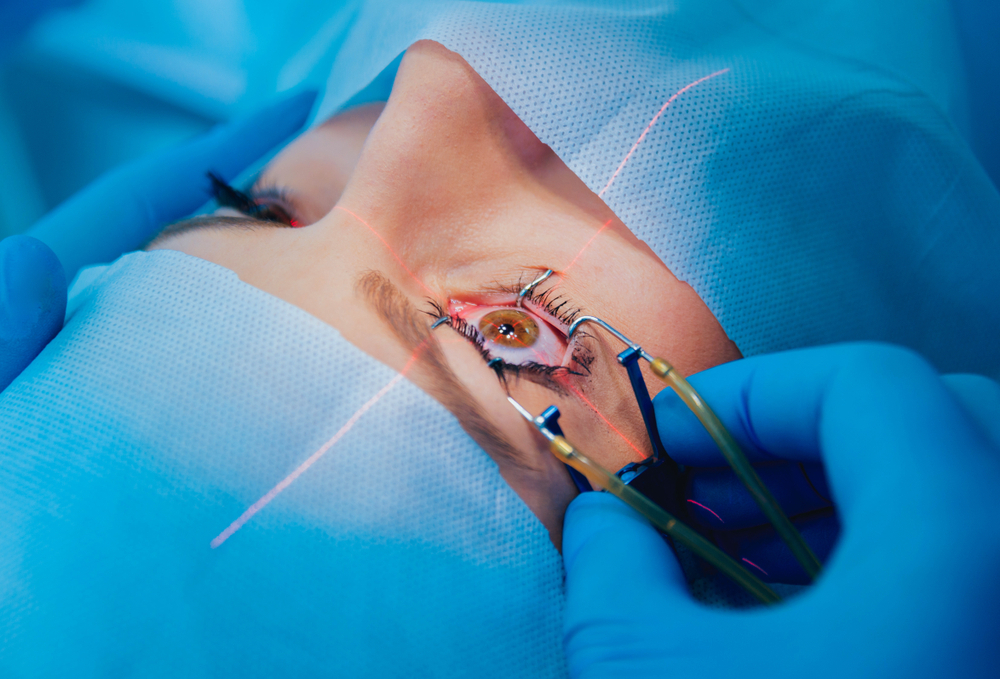
Squint surgery involves adjusting the position or function of eye muscles to improve eye alignment. It is performed based on individual eye measurements and treatment requirements.
Squint Eye Surgery in Kharghar
Squint surgery is recommended when non-surgical methods are not sufficient or when significant eye misalignment affects vision or appearance.
During surgery:
Eye muscles responsible for movement are adjusted
Muscle position may be changed to improve alignment
The procedure is planned according to each patient's eye condition
The goal of surgery is to improve eye alignment and coordination. Results may vary depending on the severity and type of squint.
Benefits of Early Squint Eye Treatment
Timely treatment can help:
- Improve eye alignment
- Support better visual development in children
- Reduce the risk of lazy eye
- Improve depth perception
- Enhance confidence and quality of life
- Manage double vision in adults
Squint Eye Treatment for Children
Early evaluation is important in children because the visual system continues developing during childhood.
Parents should consider an eye examination if they notice:
One eye turning in or out
Frequent eye rubbing
Head tilting while viewing objects
Difficulty focusing
Abnormal eye movements
Early diagnosis can help provide appropriate treatment during the important stages of visual development.
Squint Eye Treatment for Adults
Adults may develop squint due to eye muscle problems, nerve conditions, trauma, or other eye-related causes.
Treatment may help manage:
Double vision
Eye discomfort
Difficulty with daily activities
Cosmetic concerns related to eye alignment
A detailed evaluation helps determine the most suitable treatment approach.
Squint Eye Treatment Cost in Kharghar
The cost of squint eye treatment in Kharghar depends on several factors, including:
- Type and severity of squint
- Diagnostic tests required
- Treatment method recommended
- Whether surgery is required
- Follow-up consultations
A consultation with an Eye Specialist at Laxmi Eye Institute & Hospitals helps determine the appropriate treatment plan and expected expenses.
Get Expert Squint Eye Treatment in Kharghar
Squint should not be ignored, especially in children, as timely evaluation can help protect vision development. Consult experienced eye specialists at Laxmi Eye Institute & Hospitals for accurate diagnosis and personalised squint eye treatment.
Why Choose Laxmi Eye Institute & Hospitals?
Experienced Eye Specialists – Provides evaluation and management of squint and related eye conditions.
Comprehensive Eye Assessment – Detailed evaluation helps identify the underlying cause of eye misalignment.
Advanced Eye Care Facilities – Supports accurate diagnosis and treatment planning.
Personalised Treatment Approach – Treatment is planned according to age, eye condition, and individual needs.
Complete Eye Care Services – Diagnosis, treatment, surgery, and follow-up care available under one roof.
FAQs About Squint Eye Treatment in Kharghar
-
Q1. What is squint eye?
Squint eye or strabismus is a condition where both eyes do not align properly and may point in different directions.
-
Q2. Can squint eye be treated without surgery?
Yes, depending on the cause, treatment may include glasses, vision therapy, patching, or other non-surgical methods. Some cases may require surgery.
-
Q3. Is squint surgery safe?
Squint surgery is a commonly performed procedure planned according to the patient's eye condition. Your eye specialist will explain the suitable approach after evaluation.
-
Q4. Can squint be corrected in adults?
Yes, adults with squint can be evaluated and treated. Treatment may help improve eye alignment and manage symptoms such as double vision.
-
Q5. At what age should a child with squint be examined?
Children with noticeable eye misalignment should undergo an eye examination as early as possible for timely diagnosis and management.
-
Q6. Does squint always cause vision problems?
Squint may affect vision, depth perception, and eye coordination. Some children may develop lazy eye if it is not treated early.
-
Q7. How long does squint treatment take?
The duration depends on the type of squint, age of the patient, treatment method, and response to therapy. Regular follow-ups may be required.
At Laxmi, the most trusted Eye hospital, we have a heritage of quality eye care spanning 3 decades and over 25 lakh satisfied patients. Our doctors are highly qualified and experienced super specialists, with most of them being fellowship-trained at eminent national and global institutions.
 Call
Call
All Copyright© Reserved @ Laxmi Eye Hospital And Institute