
Dry Eye Treatment in Navi Mumbai
What is Dry Eye?
Dry eye is a common ocular surface condition where the eyes do not make enough tears, the tears evaporate too quickly, or the tear film does not work properly. It can cause discomfort and may also affect clarity of vision.
At Laxmi Eye Hospital & Institute, dry eye treatment begins with a detailed eye examination to identify the cause. Treatment may include lubricating eye drops, lid care, lifestyle changes, prescription medicines, tear conservation procedures and treatment of associated eye or health conditions.
Symptoms of Dry Eye
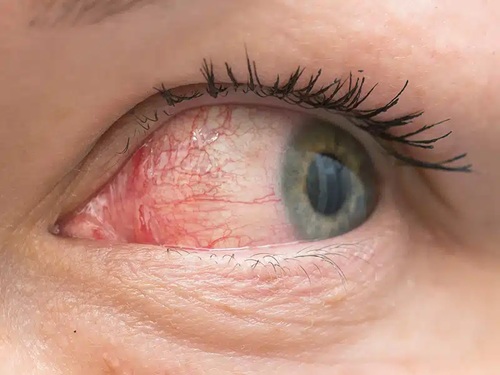
Dry eye symptoms can vary from mild irritation to persistent discomfort and fluctuating vision.
Burning, stinging, scratchy or gritty sensation.
Redness, irritation or feeling of something in the eye.
Watering eyes, especially after dryness or irritation.
Blurred or fluctuating vision, especially during screen work.
Light sensitivity or tired eyes.
Contact lens discomfort or intolerance.
Stringy mucus around the eyes.
Symptoms worsening in air conditioning, wind or pollution.

How Dry Eye is Diagnosed
Dry eye diagnosis is clinic-based and starts with symptoms, medical history, medicines, screen habits, contact lens use and previous eye surgeries. The doctor may examine the eyelids, tear film, ocular surface and meibomian glands.
Depending on symptoms, tests may assess tear quantity, tear break-up time, staining of the ocular surface and eyelid gland function. This helps identify whether the problem is reduced tear production, increased evaporation, inflammation or a mixed pattern.
Dry Eye Treatment Options
Treatment is customized according to the type and severity of dry eye.
Lubricating Drops
Artificial tears or gels may help improve comfort and tear film stability.
Lid Care
Warm compresses, lid hygiene and gland care may be advised for evaporative dry eye.
Prescription Drops
Anti-inflammatory medicines may be prescribed when inflammation is contributing to symptoms.
Tear Conservation
Punctal plugs may be considered in selected patients to help tears remain longer on the eye surface.
Lifestyle Changes
Screen breaks, blinking habits, hydration, humidification and avoiding direct air can help.
Cause-Based Care
Allergy, eyelid disease, autoimmune disease, medicines or contact lens issues may need specific care.
Screen Time and Dry Eye
Many patients experience dry eye symptoms during computer work, mobile use, studying, reading or working in air-conditioned environments. Reduced blinking during screen use can worsen tear evaporation and eye strain.
If your symptoms are linked to screen use, you may also benefit from dedicated Computer Vision Syndrome Treatment, guidance on ocular surface care, workplace habits and routine eye evaluation. Persistent symptoms should not be managed only with over-the-counter drops.
Dry Eye Treatment FAQs
- Q. 1Can dry eye cause watering?
Yes. Irritated dry eyes may water reflexively, so watering does not always mean the eye is well lubricated.
- Q. 2Is dry eye permanent?
Dry eye can be chronic, but symptoms can often be controlled with the right diagnosis, treatment plan and follow-up care.
- Q. 3Can I use any eye drop?
Do not self-medicate with steroid or antibiotic drops. Use medicines as advised by your ophthalmologist.
- Q. 4Can computer use worsen dry eye?
Yes. Long screen use can reduce blink rate and increase evaporation, causing dryness, burning and eye strain.
- Q. 5When should I see a doctor?
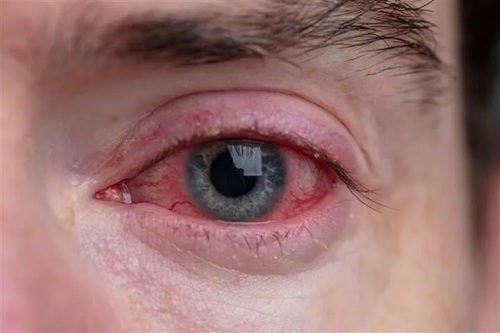
Consult an eye doctor if dryness is persistent, painful, affects vision, causes redness, or does not improve with basic lubrication.
- Q. 6Which specialist treats dry eye?
Dry eye is commonly evaluated by ophthalmologists and cornea or ocular surface specialists when symptoms are chronic or complex.
Struggling with Dry, Burning or Tired Eyes?
Book a dry eye evaluation at Laxmi Eye Hospital.
Book an Appointment Now!
At Laxmi, the most trusted Eye hospital, we have a heritage of quality eye care spanning 3 decades and over 25 lakh satisfied patients. Our doctors are highly qualified and experienced super specialists, with most of them being fellowship-trained at eminent national and global institutions.
 Call
Call
All Copyright© Reserved @ Laxmi Eye Hospital And Institute