
Advanced Squint Eye Treatment in Dombivli,Mumbai
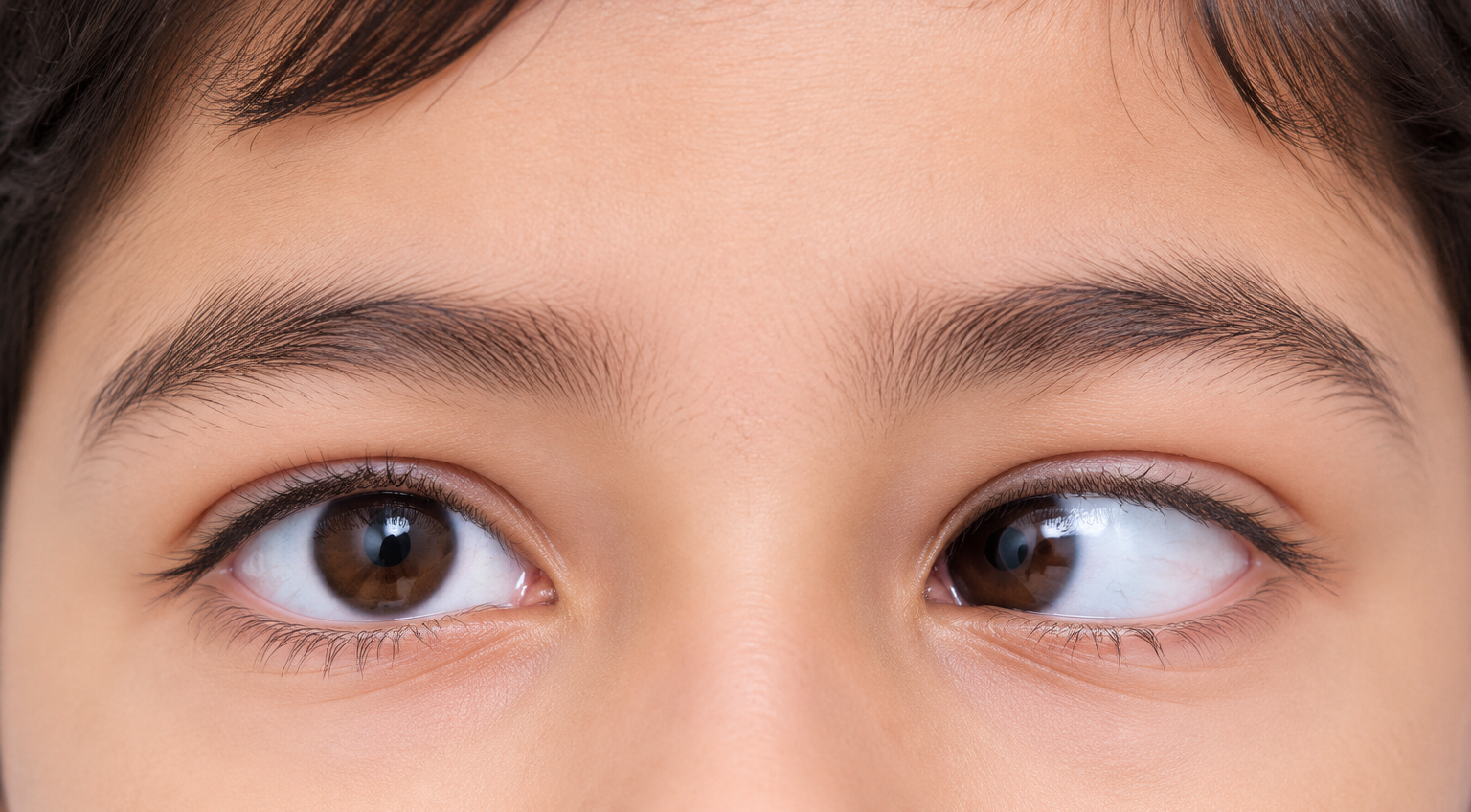
Squint, also known as Strabismus, is an eye condition where both eyes do not align in the same direction. One eye may turn inward, outward, upward, or downward, affecting eye coordination and vision.
Squint Eye Treatment in Dombivli at Laxmi Eye Institute & Hospitals focuses on accurate evaluation, early diagnosis, and personalised treatment plans for children and adults with eye alignment problems.
Early detection and appropriate management can help improve eye coordination, prevent vision complications, and support better visual development. Laxmi Eye Institute provides specialised squint care at its Dombivli centre with advanced diagnostic facilities and experienced eye specialists.
What is Squint Eye?
Squint eye or Strabismus is a condition where the two eyes are not properly aligned and do not work together to focus on the same object.
Normally, both eyes move together and send combined images to the brain. In squint, improper coordination between eye muscles, nerves, or focusing ability can cause one eye to deviate from its normal position.
Squint may occur as:
Esotropia – Eye turns inward towards the nose.
Exotropia – Eye turns outward away from the nose.
Hypertropia – Eye turns upward.
Hypotropia – Eye turns downward.
Squint can develop in childhood or adulthood due to eye muscle imbalance, refractive errors, nerve-related conditions, injuries, or other eye problems.
Causes of Squint Eye
Squint can occur due to different factors affecting eye alignment and coordination.
Common causes include:
Eye Muscle Imbalance – Weakness or improper coordination of eye muscles.
Refractive Errors – Uncorrected spectacle power can contribute to squint.
Genetic Factors – Family history may increase the risk.
Lazy Eye (Amblyopia) – Reduced vision in one eye may affect alignment.
Nerve Problems – Issues affecting signals controlling eye movements.
Eye Injuries or Medical Conditions – May affect eye muscle function.
Symptoms of Squint Eye
Symptoms of squint may vary depending on age and severity.
Common symptoms include:
Misaligned Eyes – One eye may appear to move in a different direction.
Double Vision – Adults may experience overlapping images.
Eye Strain – Discomfort during reading or focusing activities.
Head Tilting or Turning – Children may adjust head position to see better.
Poor Depth Perception – Difficulty judging distances.
Reduced Vision in One Eye – May occur due to lazy eye development.
Difficulty Focusing – Trouble maintaining clear vision.
Types of Squint Eye
Childhood Squint
- Develops during infancy or childhood.
- Early diagnosis helps support proper vision development.
- Untreated cases may lead to amblyopia (lazy eye).
Adult Squint
- May develop due to medical conditions, injuries, nerve problems, or previous childhood squint.
- Treatment focuses on improving alignment and visual comfort.
Intermittent Squint
- Eye deviation occurs occasionally.
- It may become noticeable during tiredness, stress, or illness.
Constant Squint
- Eye remains misaligned most of the time.
- Requires detailed evaluation and appropriate treatment planning.
Squint Eye Examination Process & Advanced Technology
A detailed eye examination helps identify the type, cause, and severity of squint.
| Visual Acuity Test | Checks vision clarity in both eyes. |
|---|---|
| Refraction Test | Identifies spectacle power and refractive errors. |
| Eye Alignment Assessment | Measures the degree and direction of eye deviation. |
| Eye Movement Examination | Evaluates coordination and movement of eye muscles. |
| Binocular Vision Assessment | Checks how both eyes work together and depth perception. |
| Prism Testing | Helps measure eye misalignment and plan suitable treatment. |
|---|---|
| Ocular Motility Assessment | Evaluates eye muscle function and movement patterns. |
| Vision Development Assessment | Important in children to detect lazy eye and visual development issues. |
Squint Eye Treatment Options in Dombivli
Treatment depends on the patient's age, type of squint, severity, and associated vision problems.
Non-Surgical Treatment
Spectacles – Correct refractive errors affecting eye alignment. May improve focusing ability in selected cases.
Eye Patching – Helps strengthen the weaker eye in children with lazy eye. Supports normal vision development.
Prism Glasses – May help manage double vision in selected patients.
Vision Therapy – Eye exercises may improve coordination in suitable cases.
Surgical Treatment
Squint Correction Surgery – Squint surgery involves adjusting the position or function of eye muscles to improve alignment.
Benefits include:
- Better eye alignment
- Improved eye coordination
- Reduced visual discomfort
- Improved appearance of the eyes
Surgery is recommended only after detailed evaluation by a squint specialist.
Benefits of Early Squint Eye Treatment
Early diagnosis and timely treatment can provide several benefits:
Improved Eye Alignment – Helps eyes work together better.
Better Vision Development – Especially important in children.
Reduced Risk of Lazy Eye – Helps prevent permanent vision reduction.
Improved Depth Perception – Supports better coordination between both eyes.
Better Confidence – Improved eye alignment may enhance self-esteem.
Who Should Consider Squint Eye Evaluation?
Squint evaluation is recommended for:
Children with Misaligned Eyes – Early assessment helps prevent vision problems.
Adults with New Eye Deviation – May require evaluation for underlying causes.
Patients Experiencing Double Vision – Helps identify alignment issues.
Children with Poor Vision in One Eye – Screening helps detect lazy eye.
People with Family History of Squint – Regular eye evaluation may be beneficial.
Squint Eye Treatment Cost in Dombivli
The cost of Squint Eye Treatment in Dombivli depends on the type of squint, required investigations, treatment approach, and whether surgery is required.
Factors affecting treatment cost include:
- Type and Severity of Squint
- Eye Examination Tests
- Spectacle Requirement
- Vision Therapy Sessions
- Surgical Procedure, if required
- Follow-up Consultations
A detailed consultation at Laxmi Eye Institute & Hospitals helps understand the suitable treatment plan and expected expenses.
Improve Eye Alignment with Squint Eye Treatment in Dombivli
Early evaluation helps prevent vision complications and improve eye coordination. Book your consultation at Laxmi Eye Institute & Hospitals in Dombivli.
Why Choose Laxmi Eye Institute & Hospitals?
Experienced Squint Specialists: Comprehensive evaluation and management of eye alignment problems.
Advanced Diagnostic Facilities: Helps identify the exact type and severity of squint.
Paediatric Eye Care Expertise: Specialised approach for children with squint and vision development concerns.
Personalised Treatment Plans: Care is planned according to individual eye requirements.
Complete Eye Care Support: Diagnosis, treatment, and follow-up available under one roof.
Frequently Asked Questions About Squint Eye Treatment in Dombivli
-
Q1. What is squint eye?
Squint eye or strabismus is a condition where both eyes do not align properly and point in different directions.
-
Q2. Can squint eye be treated without surgery?
Yes. Some cases can be managed with spectacles, prism glasses, eye patching, or vision therapy. Surgery may be required for certain cases.
-
Q3. Is squint treatment only for children?
No. Squint treatment can be provided for both children and adults depending on the cause and severity.
-
Q4. When should a child with squint visit an eye specialist?
A child with misaligned eyes should be evaluated early because timely treatment can help support normal vision development.
-
Q5. Is squint surgery safe?
Squint correction surgery is a commonly performed procedure that aims to improve eye alignment by correcting eye muscle imbalance.
-
Q6. Can squint return after treatment?
Some patients may require continued monitoring after treatment depending on the type and severity of squint.
At Laxmi, the most trusted Eye hospital, we have a heritage of quality eye care spanning 3 decades and over 25 lakh satisfied patients. Our doctors are highly qualified and experienced super specialists, with most of them being fellowship-trained at eminent national and global institutions.
 Call
Call
All Copyright© Reserved @ Laxmi Eye Hospital And Institute