
Retina Specialist in Kharghar at Laxmi Eye Institute & Hospitals
The retina is a delicate layer at the back of the eye responsible for capturing light and sending visual signals to the brain. Any damage or disease affecting the retina can impact vision and may require timely evaluation and specialised care.
Retinal conditions such as diabetic retinopathy, age-related macular degeneration, retinal detachment, macular hole, and retinal vascular disorders can affect people of different age groups.
Retina Specialist in Kharghar at Laxmi Eye Institute & Hospitals provides comprehensive evaluation, diagnosis, and management of various retinal conditions using advanced diagnostic technology and personalised treatment approaches to help protect vision.

What is the Retina?
The retina is a thin, light-sensitive tissue located at the back of the eye. It plays an important role in vision by converting light entering the eye into signals that are transmitted to the brain.
A healthy retina is essential for:
Clear central and peripheral vision
Recognising faces and objects
Reading and performing daily activities
Detecting colours and details
Damage to the retina can affect vision quality and may lead to permanent vision loss if not managed appropriately.
What is Retinal Detachment (RD)?
Retinal Detachment is a serious eye condition in which the retina separates from the underlying tissues that provide nourishment and support. Since the retina is responsible for sending visual signals to the brain, detachment can affect vision and may lead to permanent vision loss if not treated promptly.
Retinal detachment is considered a medical emergency and requires immediate evaluation by a retina specialist.
Types of Retinal Detachment
There are three main types of retinal detachment:
Rhegmatogenous Retinal Detachment
This is the most common type of retinal detachment. It occurs when a tear or break develops in the retina, allowing fluid to pass underneath and separate the retina from its normal position.
Common causes include:
Age-related changes in the eye
Previous eye surgery
Eye injury
High myopia (short-sightedness)
Tractional Retinal Detachment
This occurs when scar tissue on the surface of the retina contracts and pulls the retina away from its normal position.
It is commonly associated with conditions such as:
Advanced diabetic retinopathy
Retinal scarring
Certain retinal vascular conditions
Exudative Retinal Detachment
This type occurs when fluid accumulates beneath the retina without a retinal tear or break.
Possible causes include:
Inflammation inside the eye
Eye infections
Tumours affecting the eye
Blood vessel abnormalities
Symptoms of Retinal Detachment
Retinal detachment may present with sudden or progressive vision changes. Warning signs include:
Sudden appearance of many floaters
Flashes of light in vision
A shadow or dark curtain moving across the field of vision
Blurred vision
Loss of peripheral vision
Sudden decrease in vision
If these symptoms occur, immediate consultation with a retina specialist is important.
Retinal Detachment Treatment
Treatment depends on the type, location, and severity of retinal detachment. Treatment options may include:
Laser Treatment or Cryotherapy
These procedures may be used to seal small retinal tears and prevent further progression in selected cases.
Pneumatic Retinopexy
A gas bubble may be placed inside the eye to help reposition the detached retina, along with laser or cryotherapy treatment.
Scleral Buckling Surgery
A flexible band is placed around the eye to support the retina and help repair the detachment.
Vitrectomy Surgery
A specialised retinal surgery that involves removing the vitreous gel and repairing the retinal problem. It may be recommended for complex retinal detachments.
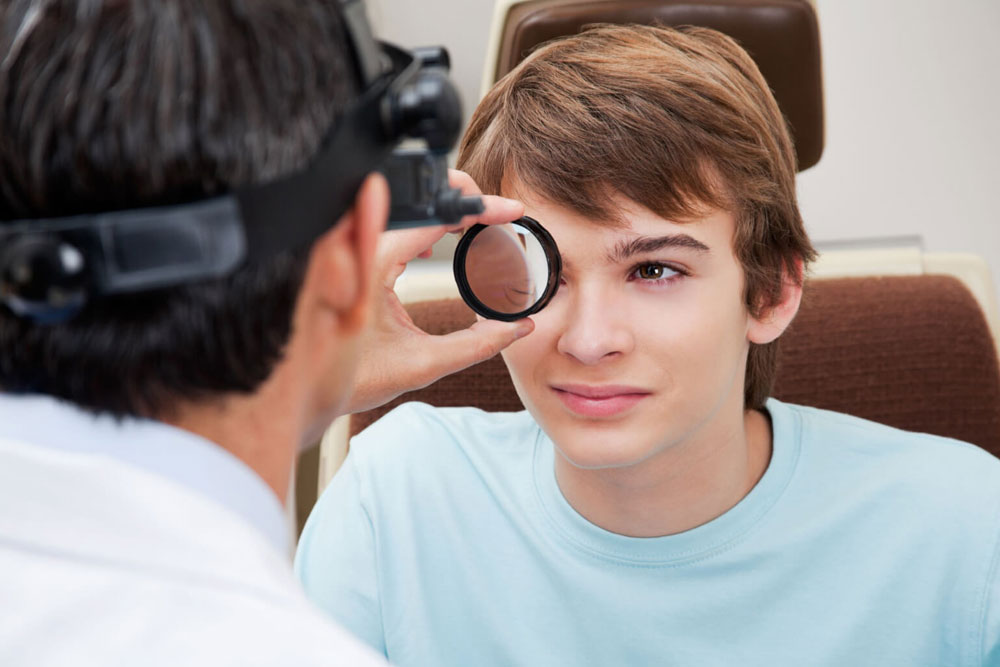
Retina Evaluation and Diagnosis
A detailed retinal examination helps identify the condition and determine the appropriate treatment approach.
Evaluation may include:
Dilated Eye Examination – Allows detailed assessment of the retina and optic nerve.
OCT (Optical Coherence Tomography) Scan – Provides detailed images of retinal layers to detect swelling, fluid, or structural changes.
Fundus Photography – Captures images of the retina for monitoring and comparison.
Fundus Fluorescein Angiography (FFA) – Helps evaluate blood flow and abnormalities in retinal blood vessels.
Ocular Ultrasound – May be recommended when the retina cannot be clearly examined due to certain eye conditions.
Retina Treatment Options in Kharghar
Treatment depends on the retinal condition, severity, and overall eye health.
Intravitreal Injections
Certain retinal conditions involving swelling or abnormal blood vessel growth may require injections inside the eye to manage the condition.
Laser Treatment
Laser therapy may be recommended for selected retinal problems to prevent progression and protect vision.
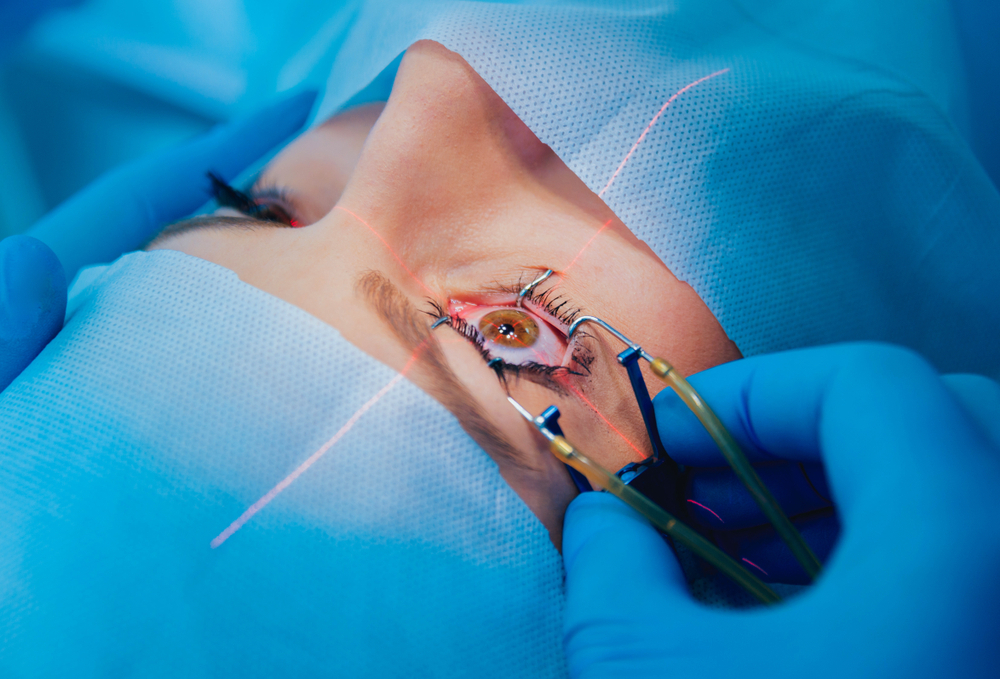
Vitrectomy Surgery
Vitrectomy is a specialised eye surgery used for conditions affecting the vitreous and retina, such as retinal detachment, macular hole, or severe bleeding.
Retinal Detachment Surgery
Surgical procedures may be required to repair retinal detachment and help restore retinal position.
Regular Monitoring
Some retinal conditions may require periodic follow-ups and imaging to monitor changes and guide treatment decisions.
Importance of Regular Retina Check-ups
Regular retinal evaluation is especially important for:
People with diabetes
Individuals with high blood pressure
Older adults
Patients with a family history of retinal problems
People experiencing vision changes
Individuals with previous eye conditions or surgeries
Early detection can help manage retinal conditions before significant vision loss occurs.
Tips to Maintain Retina Health
You can support retinal health by:
Keeping diabetes and blood pressure under control
Following a balanced diet rich in essential nutrients
Avoiding smoking
Wearing protective eyewear when required
Scheduling regular eye examinations
Reporting sudden vision changes immediately
Benefits of Consulting a Retina Specialist in Kharghar
Timely consultation with a retina specialist can help:
- Detect retinal problems at an early stage
- Prevent progression of retinal diseases
- Receive appropriate treatment based on diagnosis
- Monitor changes through advanced imaging
- Protect long-term vision health
Who Should Consult a Retina Specialist?
A retina specialist consultation is recommended for:
Patients with diabetic eye changes
Individuals experiencing sudden vision loss
People noticing flashes or floaters
Patients with retinal disorders
Individuals with unexplained vision changes
People requiring specialised retinal evaluation
Retina Treatment Cost in Kharghar
The cost of retina treatment in Kharghar depends on the retinal condition, diagnostic tests, treatment required, and follow-up needs.
Factors affecting the cost include:
- Type and severity of retinal disease
- Required retinal investigations
- Treatment method recommended
- Number of follow-up visits
- Additional procedures, if required
A consultation with a Retina Specialist at Laxmi Eye Institute & Hospitals helps determine the appropriate treatment plan and expected expenses.
Get Expert Retina Care in Kharghar
Retinal conditions can affect vision silently and may worsen without timely care. If you experience vision changes, flashes, floaters, or have risk factors such as diabetes, consult a retina specialist for detailed evaluation and personalised care.
Why Choose Laxmi Eye Institute & Hospitals?
Experienced Retina Specialists – Provides specialised evaluation and management of retinal conditions.
Advanced Retinal Diagnostics – Equipped with modern imaging technologies for accurate assessment.
Comprehensive Retina Care – Diagnosis, treatment, and follow-up support available.
Personalised Treatment Approach – Care plans designed according to individual eye conditions.
Complete Eye Care Under One Roof – Access to comprehensive ophthalmic services for various eye conditions.
FAQs About Retina Specialist in Kharghar
-
Q1. When should I visit a retina specialist?
You should consult a retina specialist if you experience sudden vision changes, flashes of light, new floaters, blurred vision, or have conditions like diabetes that can affect the retina.
-
Q2. What conditions does a retina specialist treat?
A retina specialist treats conditions such as diabetic retinopathy, retinal detachment, macular degeneration, macular hole, retinal tears, and retinal vascular disorders.
-
Q3. Is a retina examination painful?
A retina examination is generally painless. Eye drops may be used to dilate the pupils for a detailed retinal evaluation.
-
Q4. Can retinal diseases be treated without surgery?
Some retinal conditions can be managed with medications, injections, laser treatment, or monitoring. The treatment depends on the specific retinal problem.
-
Q5. How often should diabetic patients undergo retina screening?
People with diabetes should undergo regular eye examinations as advised by their eye specialist to detect retinal changes early.
-
Q6. Are flashes and floaters always a sign of retinal problems?
Flashes and floaters can sometimes indicate retinal issues, especially if they appear suddenly. A retina evaluation is recommended to rule out serious causes.
-
Q7. Can retinal damage cause permanent vision loss?
Some retinal conditions can lead to permanent vision loss if untreated. Early diagnosis and appropriate management can help protect vision.
At Laxmi, the most trusted Eye hospital, we have a heritage of quality eye care spanning 3 decades and over 25 lakh satisfied patients. Our doctors are highly qualified and experienced super specialists, with most of them being fellowship-trained at eminent national and global institutions.
 Call
Call
All Copyright© Reserved @ Laxmi Eye Hospital And Institute