
Advanced Retina Care in Dombivli at Laxmi Eye Institute & Hospitals
The retina is a light-sensitive layer at the back of the eye that plays an important role in vision. Any damage or disease affecting the retina can impact central vision, peripheral vision, and overall visual quality.
Retina Specialist in Dombivli at Laxmi Eye Institute & Hospitals provides comprehensive evaluation, advanced diagnosis, and personalised treatment for various retinal conditions.
With modern retinal imaging technology and specialised eye care facilities, retinal problems can be detected early and managed effectively to help protect vision.
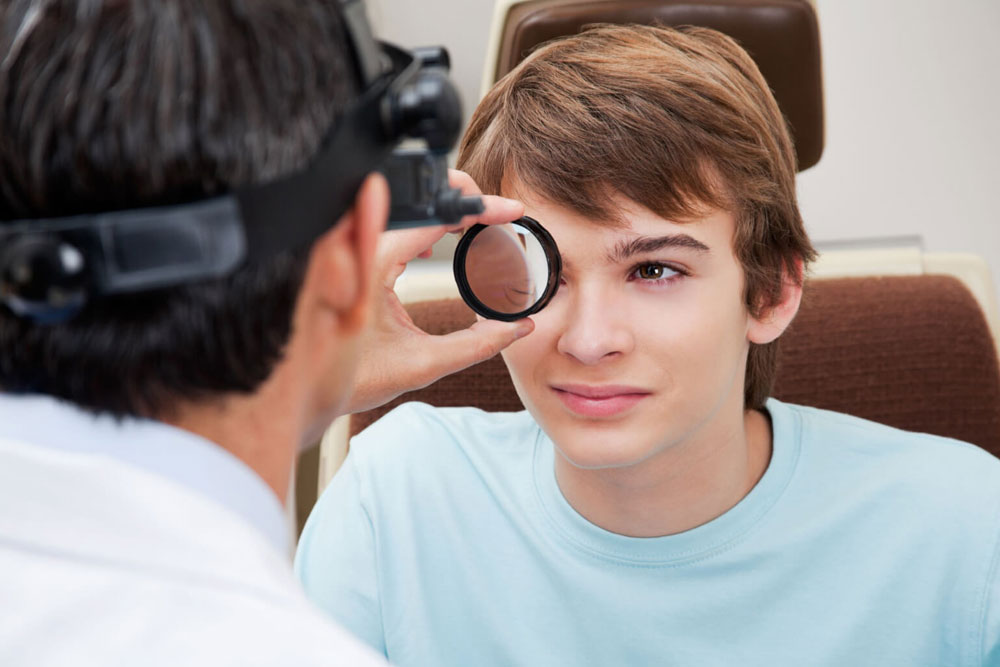
What are Retinal Disorders?
Retinal disorders are conditions that affect the retina and its ability to process visual information. Since the retina plays a crucial role in sending images to the brain, any damage can result in vision problems.
Retinal conditions may affect:
Macula – The central part of the retina responsible for detailed vision.
Blood Vessels of Retina – Changes can affect retinal circulation.
Optic Nerve Connection – Retinal damage can impact visual signals.
Peripheral Retina – Problems may affect side vision.
Common retinal conditions include:
Diabetic Retinopathy – Retinal damage caused by diabetes.
Retinal Detachment – Separation of the retina from its normal position.
Macular Degeneration – Damage affecting central vision.
Macular Edema – Swelling in the macula causing blurred vision.
Retinal Vein Occlusion – Blockage of retinal blood vessels.
Macular Hole – A small opening in the macula affecting vision.
Causes of Retinal Problems
Retinal disorders can occur due to various factors affecting retinal health.
Common causes include:
Diabetes – High blood sugar levels can damage retinal blood vessels.
Age-Related Changes – Retinal problems may increase with ageing.
High Blood Pressure – Can affect retinal circulation.
Eye Injuries – Trauma may damage retinal structures.
Genetic Factors – Some retinal conditions may run in families.
High Myopia – Severe short-sightedness may increase retinal risk.
Previous Eye Conditions – Certain eye problems can affect retinal health.
Symptoms of Retinal Disorders
Retinal problems may develop gradually or appear suddenly depending on the condition.
Common symptoms include:
Blurred Vision – Difficulty seeing objects clearly.
Floaters – Small spots or shadows moving across vision.
Flashes of Light – Sudden flashes may indicate retinal changes.
Distorted Vision – Straight lines may appear bent or irregular.
Dark Spots in Vision – Missing areas in the field of vision.
Difficulty Reading – Problems with detailed central vision.
Sudden Vision Loss – Requires immediate retinal evaluation.
Types of Retinal Conditions
Diabetic Retinopathy
- Diabetes-related damage to retinal blood vessels.
- May cause bleeding, swelling, and vision changes.
- Regular retinal screening helps detect early changes.
Retinal Detachment
- Retina separates from its normal position.
- May cause flashes, floaters, or a shadow-like effect in vision.
- Requires urgent medical attention.
Age-Related Macular Degeneration (AMD)
- Affects the macula responsible for central vision.
- Can make reading and detailed activities difficult.
Macular Edema
- Fluid accumulation in the macula.
- Causes blurred or distorted central vision.
Retinal Vein Occlusion
- Blockage in retinal blood vessels.
- May cause sudden or gradual vision changes.
Retina Examination Process & Advanced Technology
A detailed retinal evaluation helps identify retinal conditions and determine suitable treatment.
| Visual Acuity Test | Checks the clarity and sharpness of vision. |
|---|---|
| Dilated Eye Examination | Allows detailed examination of the retina and internal eye structures. |
| Retinal Examination | Evaluates retinal health and identifies abnormalities. |
| Eye Pressure Measurement | Checks intraocular pressure as part of complete eye assessment. |
| Medical History Assessment | Reviews diabetes, blood pressure, previous eye conditions, and symptoms. |
| Optical Coherence Tomography (OCT) | Provides detailed cross-sectional images of retinal layers and helps detect swelling or structural changes. |
|---|---|
| OCT Angiography | Evaluates blood flow changes in retinal blood vessels. |
| Digital Fundus Photography | Captures detailed images of the retina for diagnosis and monitoring. |
| Fundus Fluorescein Angiography | Helps assess retinal blood vessel leakage and circulation changes. |
Retina Treatment Options in Dombivli
Treatment depends on the type of retinal condition, severity, and overall eye health.
Medical Treatment
Eye Injections – Anti-VEGF injections may be used for conditions involving abnormal blood vessel growth or retinal swelling. Helps manage selected retinal diseases.
Medication and Monitoring – Regular follow-up helps monitor retinal changes and treatment response.
Laser Treatment
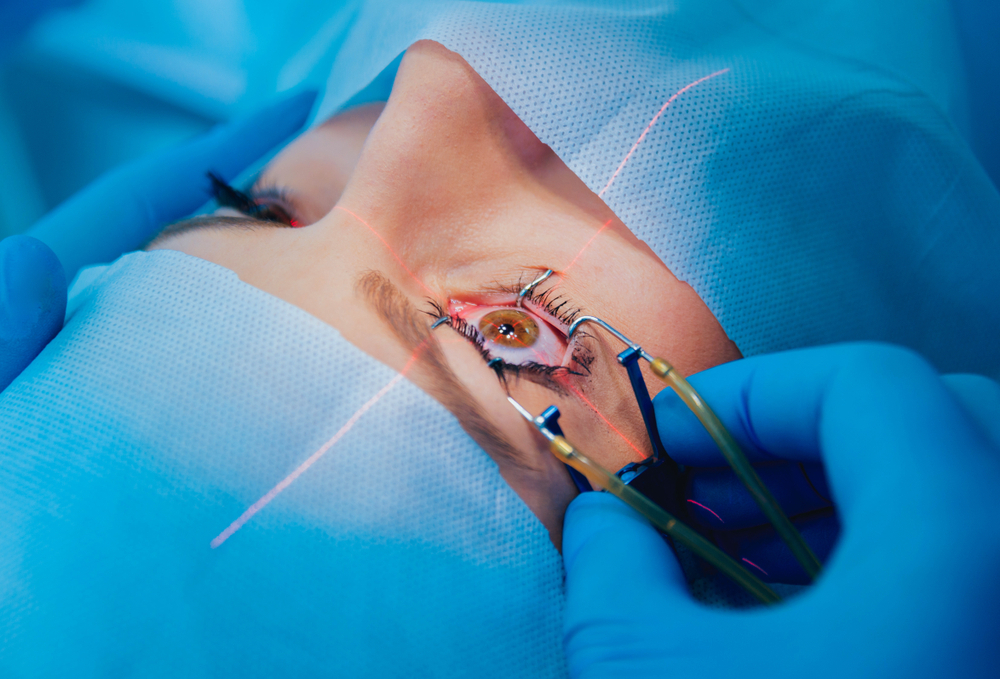
Retinal Laser Therapy – Helps manage leakage from abnormal retinal blood vessels. Used in selected retinal conditions such as diabetic retinopathy.
Surgical Treatment
Vitrectomy Surgery – Removes blood, scar tissue, or other problems affecting the retina. Helps manage selected retinal conditions.
Retinal Detachment Surgery – Helps restore the retina to its normal position. Treatment approach depends on the type and extent of detachment.
Benefits of Early Retina Treatment
Early diagnosis and timely treatment can help protect vision.
- Early Detection – Identifies retinal changes before severe vision problems develop.
- Vision Protection – Helps reduce the risk of permanent vision loss.
- Better Disease Monitoring – Regular follow-ups track retinal health.
- Personalised Treatment Planning – Treatment is based on individual retinal condition.
- Improved Quality of Life – Helps maintain visual activities like reading and daily tasks.
Who Should Consider Retina Evaluation?
Retina evaluation is recommended for:
Diabetes Patients – Regular retinal screening helps detect diabetic eye changes.
People Experiencing Vision Changes – Blurred or distorted vision requires evaluation.
Patients Seeing Floaters or Flashes – May indicate retinal changes.
People with High Myopia – Increased risk of certain retinal problems.
Individuals Above 50 Years – Age-related retinal conditions require monitoring.
Patients with Previous Eye Problems – Need regular retinal assessment.
Retina Treatment Cost in Dombivli
The cost of retinal treatment in Dombivli depends on the type of retinal condition, diagnostic tests, and required treatment approach.
Factors affecting the cost include:
- Type of Retinal Disorder
- Diagnostic Tests Required
- Injection or Laser Treatment
- Surgical Procedure Required
- Number of Follow-Up Visits
A detailed consultation with a Retina Specialist in Dombivli at Laxmi Eye Institute & Hospitals helps determine the appropriate treatment plan and expected expenses.
Protect Your Vision with a Retina Specialist in Dombivli
Retinal conditions can progress silently and may affect vision if left untreated. Regular retinal evaluation helps detect problems early and supports timely management.
Why Choose Laxmi Eye Institute & Hospitals?
Experienced Retina Specialists: Comprehensive diagnosis and management of retinal conditions.
Advanced Retinal Imaging Technology: Helps detect and monitor retinal changes accurately.
Personalised Treatment Approach: Treatment plans are designed according to individual eye conditions.
Complete Retina Care: Evaluation, treatment, and follow-up support available under one roof.
Modern Eye Care Facilities: Advanced retinal services available with patient-focused care.
Frequently Asked Questions About Retina Specialist in Dombivli
-
Q1. What does a retina specialist treat?
A retina specialist diagnoses and treats conditions affecting the retina, including diabetic retinopathy, retinal detachment, macular problems, and retinal blood vessel disorders.
-
Q2. When should I visit a retina specialist?
You should consult a retina specialist if you experience sudden vision changes, floaters, flashes, blurred vision, or distortion.
-
Q3. What tests are done for retinal problems?
Retinal evaluation may include OCT scan, retinal examination, fundus photography, and other specialised imaging tests.
-
Q4. Can retinal diseases be treated?
Yes. Treatment depends on the condition and may include medicines, injections, laser treatment, or surgery.
-
Q5. Are retinal problems related to diabetes?
Yes. Diabetes can damage retinal blood vessels and cause diabetic retinopathy, making regular retinal screening important.
-
Q6. Can retinal damage cause permanent vision loss?
Some retinal conditions can cause permanent vision loss if untreated. Early diagnosis and treatment can help protect remaining vision.
At Laxmi, the most trusted Eye hospital, we have a heritage of quality eye care spanning 3 decades and over 25 lakh satisfied patients. Our doctors are highly qualified and experienced super specialists, with most of them being fellowship-trained at eminent national and global institutions.
 Call
Call
All Copyright© Reserved @ Laxmi Eye Hospital And Institute