
Advanced Paediatric Eye Care & Myopia Control in Dombivli, Mumbai
Children’s eyes undergo continuous development during the growing years. Early detection of vision problems is important to support healthy eye development and prevent long-term complications.
Paediatric Eye Specialist and Myopia Control in Dombivli at Laxmi Eye Institute & Hospitals focuses on comprehensive eye evaluation, diagnosis, and personalised treatment for children with various vision-related concerns.
With advanced eye care technology and specialised paediatric eye services, children receive age-appropriate care for conditions such as refractive errors, lazy eye, squint, and increasing myopia.
What is Paediatric Eye Care?
Paediatric eye care focuses on the diagnosis and treatment of eye conditions affecting infants, children, and teenagers.
Children may not always recognise or communicate vision problems, which makes regular eye examinations important.
Paediatric eye care helps manage:
Refractive Errors – Vision problems requiring spectacles or correction.
Myopia (Short-Sightedness) – Difficulty seeing distant objects clearly.
Lazy Eye (Amblyopia) – Reduced vision development in one eye.
Squint (Strabismus) – Misalignment of both eyes.
Eye Development Problems – Conditions affecting normal visual growth.
Early evaluation helps identify problems during the important stages of visual development.
What is Myopia?
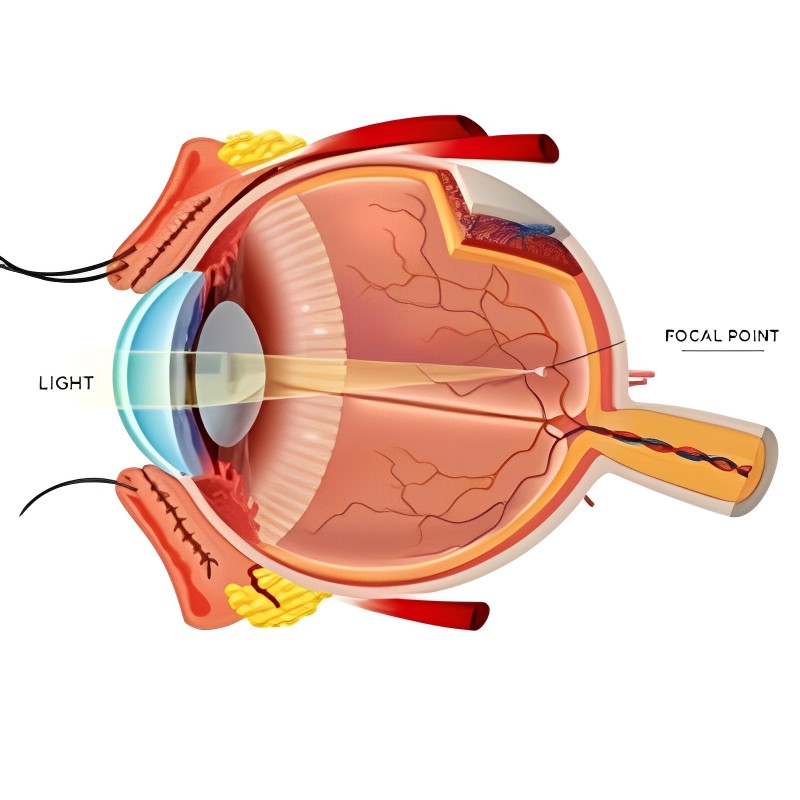
Myopia, also known as short-sightedness, is a common vision condition where distant objects appear blurry while nearby objects can be seen more clearly.
In myopia, the eye focuses light in front of the retina instead of directly on it, resulting in unclear distance vision.
Myopia often develops during childhood and may increase as the child grows. Managing myopia progression early can help reduce the risk of future eye complications.
Causes of Myopia in Children
Myopia can develop due to multiple factors affecting eye growth.
Common factors include:
Family History of Myopia – Children with myopic parents may have a higher risk.
Excessive Screen Time – Prolonged use of digital devices may contribute to eye strain.
Limited Outdoor Activity – Less outdoor exposure is associated with increased myopia risk.
Near Work Activities – Long periods of reading or close-up activities may influence progression.
Natural Eye Growth Changes – Eye length changes during childhood can cause myopia.
Symptoms of Myopia in Children
Children may not always complain about vision problems. Parents should watch for signs such as:
Difficulty Seeing Distant Objects – Trouble reading the board in school.
Sitting Close to Screens – Moving closer to televisions or devices.
Squinting Eyes – Trying to see objects more clearly.
Frequent Eye Rubbing – May indicate eye discomfort.
Headaches After Reading – Can occur due to eye strain.
Poor School Performance – Vision problems may affect classroom activities.
Holding Books Very Close – May indicate difficulty with distance vision.
Common Paediatric Eye Conditions
Myopia (Short-Sightedness)
- Difficulty seeing distant objects clearly.
- May progress during childhood.
- Requires regular monitoring and myopia management.
Lazy Eye (Amblyopia)
- Reduced vision development in one eye.
- Early treatment improves chances of better visual development.
Squint Eye (Strabismus)
- Eyes do not align properly.
- May affect depth perception and vision development.
Refractive Errors
- Includes myopia, hypermetropia, and astigmatism.
- Corrected with spectacles or other suitable options.
Childhood Eye Infections
- Conditions affecting eye comfort and surface health.
- Require proper diagnosis and treatment.
Paediatric Eye Examination Process & Advanced Technology
A detailed eye examination helps detect vision problems at an early stage.
| Visual Acuity Test | Checks how clearly the child can see at different distances. |
|---|---|
| Refraction Assessment | Identifies spectacle power and refractive errors. |
| Eye Alignment Assessment | Evaluates eye coordination and detects squint. |
| Binocular Vision Assessment | Checks how both eyes work together. |
| Eye Health Examination | Evaluates the overall health of eye structures. |
| Axial Length Measurement | Measures changes in the length of the eye to monitor myopia progression. |
|---|---|
| Corneal Evaluation | Assesses the shape and structure of the cornea. |
| Retinal Examination | Checks retinal health, especially in children with higher myopia. |
| Regular Vision Monitoring | Tracks changes in eye power and treatment response. |
Myopia Control Treatment Options in Dombivli
The aim of myopia control is to slow down the progression of short-sightedness and protect long-term eye health.
Specialised Spectacle Lenses
Designed to help manage myopia progression.
Suitable for selected children after eye evaluation.
Myopia Control Contact Lenses
Special contact lenses may help slow myopia progression in suitable cases.
Requires proper fitting and monitoring by an eye specialist.
Low-Dose Atropine Eye Drops
May be recommended in selected children.
Helps manage increasing myopia under specialist supervision.
Lifestyle Modifications
Encourage regular outdoor activities.
Follow proper screen habits.
Maintain healthy reading distance and lighting.
Benefits of Early Paediatric Eye Care and Myopia Control
Early evaluation and management can support healthy vision development.
- Early Detection – Identifies vision problems at the right time.
- Better Vision Development – Supports normal eye growth in children.
- Myopia Progression Control – Helps slow increasing spectacle power.
- Improved Learning Ability – Clear vision supports classroom activities.
- Long-Term Eye Health Support – Reduces risks associated with high myopia.
Who Should Consider Paediatric Eye Evaluation?
Paediatric eye evaluation is recommended for:
Children Before Starting School – Helps detect early vision problems.
Children with Frequent Headaches – May indicate eye strain.
Kids with Increasing Spectacle Power – Need myopia monitoring.
Children Sitting Close to Screens – May require vision assessment.
Children with Family History of Myopia – Higher risk of developing short-sightedness.
Children with Squint or Lazy Eye Signs – Early treatment is important.
Paediatric Eye Treatment Cost in Dombivli
The cost of Paediatric Eye Treatment and Myopia Control in Dombivli depends on the child's eye condition, required tests, and selected treatment approach.
Factors affecting the cost include:
- Type of Eye Problem
- Diagnostic Tests Required
- Spectacle or Contact Lens Requirement
- Myopia Control Treatment
- Follow-Up Consultations
A detailed consultation at Laxmi Eye Institute & Hospitals helps understand the suitable treatment plan and expected expenses.
Support Your Child’s Vision with Paediatric Eye Care in Dombivli
Healthy vision plays an important role in a child’s learning and development. Book your consultation at Laxmi Eye Institute & Hospitals for personalised myopia control.
Why Choose Laxmi Eye Institute & Hospitals?
Experienced Paediatric Eye Specialists: Comprehensive eye care for infants, children, and teenagers.
Advanced Diagnostic Technology: Helps accurately assess children's vision and eye health.
Specialised Myopia Management: Personalised plans to monitor and control myopia progression.
Child-Friendly Approach: Comfortable and supportive eye examination experience.
Complete Eye Care Support: Diagnosis, treatment, and follow-up care available under one roof.
Frequently Asked Questions About Paediatric Eye Specialist and Myopia Control in Dombivli
-
Q1. What does a paediatric eye specialist treat?
A paediatric eye specialist diagnoses and treats eye conditions affecting children, including myopia, squint, lazy eye, and refractive errors.
-
Q2. What is myopia control?
Myopia control includes treatments and lifestyle strategies designed to slow the progression of short-sightedness in children.
-
Q3. At what age should children have an eye examination?
Children can benefit from early eye screening, especially before starting school or if vision-related concerns are noticed.
-
Q4. Can myopia progression be stopped completely?
Myopia may not always be completely stopped, but appropriate management can help slow its progression.
-
Q5. How often should children with myopia visit an eye specialist?
Follow-up frequency depends on the child's age, eye power changes, and treatment plan recommended by the specialist.
-
Q6. Can screen time increase myopia risk in children?
Excessive near work and limited outdoor activity may contribute to myopia progression. Healthy screen habits and outdoor time are encouraged.
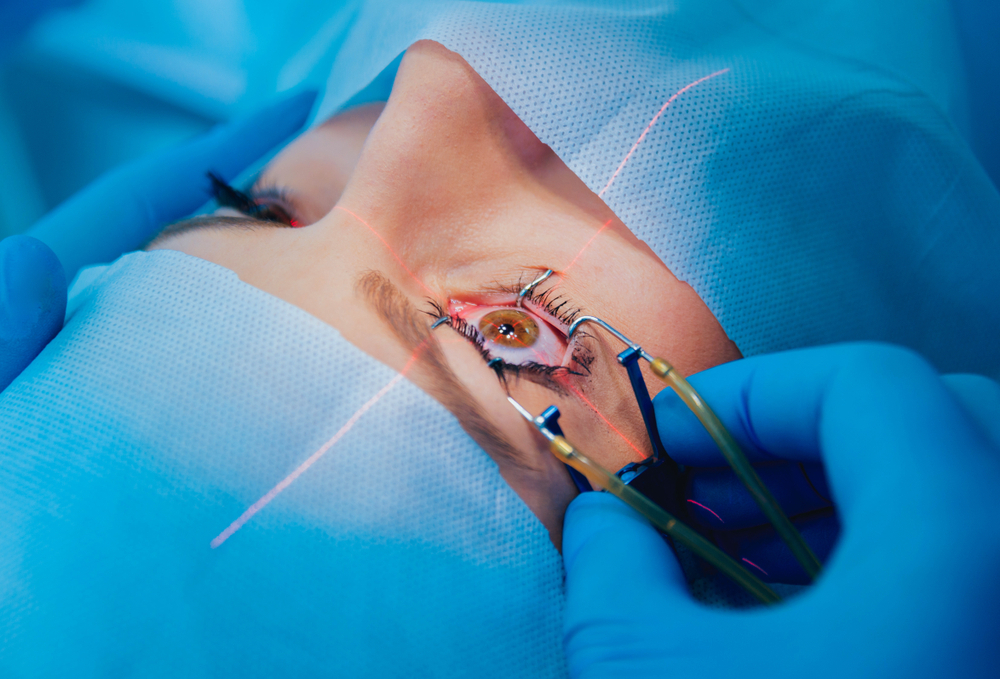
At Laxmi, the most trusted Eye hospital, we have a heritage of quality eye care spanning 3 decades and over 25 lakh satisfied patients. Our doctors are highly qualified and experienced super specialists, with most of them being fellowship-trained at eminent national and global institutions.
 Call
Call
All Copyright© Reserved @ Laxmi Eye Hospital And Institute