
Advanced Glaucoma Care in Dombivli,Mumbai
Glaucoma is a group of eye conditions that can damage the optic nerve and may lead to gradual vision loss if not detected and treated on time. Since glaucoma often develops silently without noticeable symptoms in the early stages, regular eye check-ups are important.
Glaucoma Specialist in Dombivli at Laxmi Eye Institute & Hospitals focuses on early diagnosis, accurate evaluation, and personalised management of glaucoma conditions.
Advanced eye care technology helps monitor eye pressure, optic nerve health, and vision changes to provide suitable treatment options for long-term vision protection.
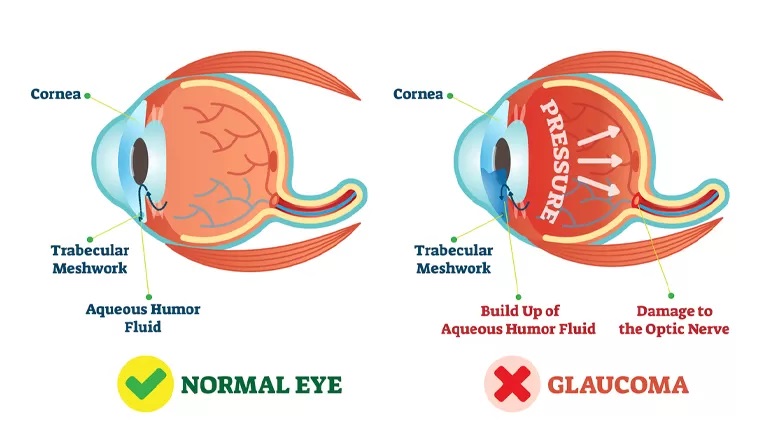
What is Glaucoma?
Glaucoma is an eye condition where damage occurs to the optic nerve, which connects the eye to the brain and helps transmit visual information.
In many cases, increased pressure inside the eye (intraocular pressure) can contribute to optic nerve damage. However, glaucoma can also occur with normal eye pressure.
Glaucoma can affect:
Optic Nerve – Damage may affect communication between the eye and brain.
Peripheral Vision – Side vision may gradually reduce.
Overall Vision Quality – Untreated glaucoma can lead to permanent vision loss.
Early detection and regular monitoring are important to prevent progression.
Symptoms of Glaucoma
Glaucoma may not show noticeable symptoms during the early stages. Regular eye examinations help detect changes before significant vision loss occurs.
Common symptoms include:
Gradual Loss of Peripheral Vision – Difficulty noticing objects from the side.
Blurred Vision – Reduced clarity of vision.
Eye Pain – May occur in certain types of glaucoma.
Redness of Eye – Possible during acute episodes.
Halos Around Lights – Seeing coloured rings around light sources.
Headache and Eye Discomfort – May occur with increased eye pressure.
Sudden Vision Changes – Requires immediate evaluation.
Types of Glaucoma
Open-Angle Glaucoma
- The most common type of glaucoma.
- Develops gradually over time.
- May cause slow loss of peripheral vision.
Angle-Closure Glaucoma
- Occurs when the drainage angle of the eye becomes blocked.
- May cause sudden eye pain, redness, and vision changes.
- Requires immediate medical attention.
Normal-Tension Glaucoma
- Optic nerve damage occurs despite normal eye pressure.
- Regular monitoring helps detect changes early.
Childhood Glaucoma
- Occurs in infants or children.
- Early diagnosis is important for protecting vision development.
Glaucoma Examination Process & Advanced Technology
A detailed glaucoma evaluation helps assess eye pressure, optic nerve health, and vision changes.
| Eye Pressure Test (Tonometry) | Measures the pressure inside the eye. |
|---|---|
| Optic Nerve Examination | Evaluates the health and appearance of the optic nerve. |
| Visual Field Test | Checks peripheral vision and identifies areas affected by glaucoma. |
| Gonioscopy | Examines the drainage angle of the eye to determine the type of glaucoma. |
| Retinal Nerve Fibre Analysis | Helps detect early optic nerve changes. |
| Optical Coherence Tomography (OCT) | Provides detailed images of the optic nerve and retinal nerve fibre layers. |
|---|---|
| OCT Angiography | Evaluates blood flow changes around the optic nerve and retina. |
| Digital Fundus Imaging | Captures detailed images for monitoring optic nerve changes. |
| Visual Field Analysis | Helps track changes in peripheral vision over time. |
Glaucoma Treatment Options in Dombivli
Treatment depends on the type of glaucoma, severity, eye pressure levels, and overall eye health.
Medical Treatment
Eye Drops – Helps reduce eye pressure and supports better drainage or reduces fluid production inside the eye.
Oral Medication – May be recommended in selected cases to control eye pressure.
Laser Treatment
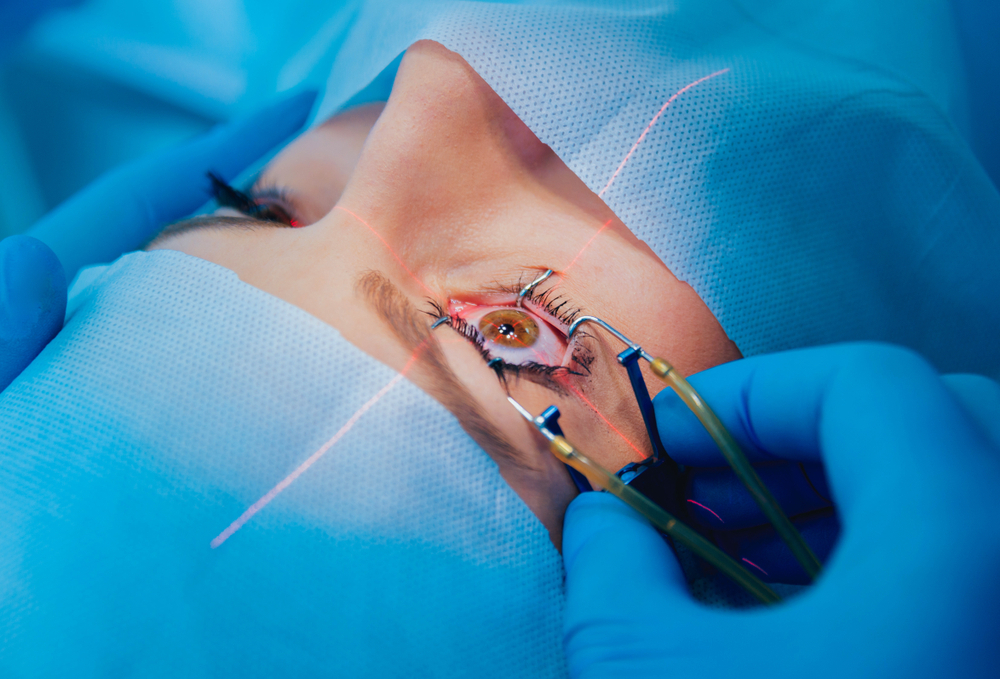
Laser Procedures – Helps improve fluid drainage from the eye. May be recommended depending on glaucoma type and severity.
Surgical Treatment
Glaucoma Surgery – Creates or improves drainage pathways to reduce eye pressure. Recommended when medicines and laser treatments are not sufficient.
Treatment selection depends on individual eye condition and specialist evaluation.
Benefits of Early Glaucoma Treatment
Early diagnosis and regular treatment can help protect vision.
- Early Detection – Identifies glaucoma changes before severe vision loss.
- Vision Protection – Helps slow disease progression.
- Better Eye Pressure Control – Maintains healthy pressure levels.
- Regular Monitoring – Tracks optic nerve and vision changes.
- Personalised Treatment Planning – Care is based on individual glaucoma condition.
Who Should Consider Glaucoma Evaluation?
Glaucoma evaluation is recommended for:
People Above 40 Years – Risk increases with age.
Individuals with Family History of Glaucoma – Genetic factors may increase risk.
Patients with High Eye Pressure – Need regular monitoring.
Diabetes Patients – May have increased risk of eye complications.
People with Vision Changes – Symptoms require evaluation.
Patients Using Long-Term Steroid Medication – May require glaucoma screening.
Glaucoma Treatment Cost in Dombivli
The cost of glaucoma treatment in Dombivli depends on the type of glaucoma, required investigations, treatment method, and follow-up requirements.
Factors affecting the cost include:
- Type and Stage of Glaucoma
- Diagnostic Tests Required
- Eye Drops or Medication
- Laser Treatment Required
- Surgical Procedure, if needed
- Number of Follow-Up Visits
A detailed consultation with a Glaucoma Specialist in Dombivli at Laxmi Eye Institute & Hospitals helps determine the suitable treatment approach and expected expenses.
Protect Your Vision with a Glaucoma Specialist in Dombivli
Glaucoma can progress silently, making early detection and regular monitoring essential for protecting vision. Book your consultation at Laxmi Eye Institute & Hospitals.
Why Choose Laxmi Eye Institute & Hospitals?
Experienced Glaucoma Specialists: Comprehensive diagnosis and management of glaucoma conditions.
Advanced Diagnostic Technology: Modern equipment helps assess optic nerve health and eye pressure.
Personalised Treatment Approach: Treatment plans are designed according to individual eye conditions.
Regular Monitoring Support: Helps track glaucoma progression effectively.
Complete Eye Care Services: Diagnosis, treatment, and follow-up care available under one roof.
Frequently Asked Questions About Glaucoma Specialist in Dombivli
-
Q1. What is glaucoma?
Glaucoma is an eye condition that damages the optic nerve and can cause gradual vision loss if not treated.
-
Q2. Can glaucoma be cured?
Glaucoma cannot usually be reversed, but proper treatment and regular monitoring can help control progression and protect vision.
-
Q3. What tests are done for glaucoma diagnosis?
Glaucoma evaluation may include eye pressure measurement, optic nerve examination, visual field testing, OCT, and other specialised tests.
-
Q4. Who needs regular glaucoma screening?
People above 40, those with family history, diabetes, high eye pressure, or other risk factors should undergo regular eye check-ups.
-
Q5. Can glaucoma cause permanent blindness?
Untreated glaucoma can lead to permanent vision loss. Early diagnosis and treatment help reduce this risk.
-
Q6. How often should glaucoma patients visit an eye specialist?
Follow-up frequency depends on glaucoma severity and treatment response. Regular monitoring is important for maintaining eye health.
At Laxmi, the most trusted Eye hospital, we have a heritage of quality eye care spanning 3 decades and over 25 lakh satisfied patients. Our doctors are highly qualified and experienced super specialists, with most of them being fellowship-trained at eminent national and global institutions.
 Call
Call
All Copyright© Reserved @ Laxmi Eye Hospital And Institute