
Advanced Diabetic Eye Care in Kharghar, Navi Mumbai
Diabetes can affect different parts of the body, including the eyes. Over time, high blood sugar levels may damage the tiny blood vessels of the retina and lead to diabetic eye conditions that can affect vision.
Since diabetic eye changes may develop without noticeable symptoms in the early stages, regular eye evaluations are important for timely detection and management.
Diabetic Eye Care in Kharghar at Laxmi Eye Institute & Hospitals focuses on early diagnosis, monitoring, and personalised treatment plans to help manage diabetes-related eye problems and protect vision.
With specialised eye care services and advanced diagnostic facilities, patients receive comprehensive support for maintaining long-term eye health.
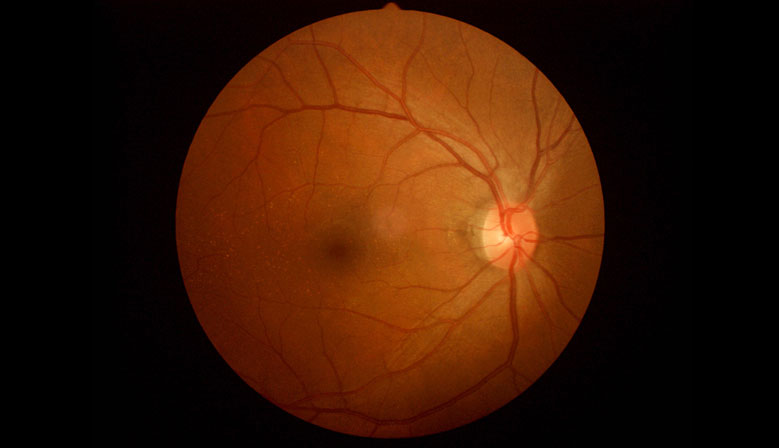
What is Diabetic Eye Disease?
Diabetic eye disease refers to a group of eye problems that can occur in people with diabetes due to changes caused by prolonged high blood sugar levels.
The retina, which is the light-sensitive layer at the back of the eye, can be affected when diabetes damages its blood vessels.
Diabetes may lead to:
Retinal Blood Vessel Damage – Weak or leaking blood vessels can affect retinal health.
Vision Changes – Swelling or damage in the retina may cause blurred vision.
Progressive Eye Complications – Without proper monitoring, diabetic eye conditions may worsen over time.
Regular eye check-ups help identify changes early and allow timely management.
Symptoms of Diabetic Eye Problems
Diabetic eye conditions may not show symptoms in the early stages. However, patients should consult an eye specialist if they experience:
Blurred or fluctuating vision
Difficulty focusing clearly
Dark spots or floaters in vision
Reduced night vision
Difficulty reading or performing close-up activities
Sudden vision changes
Loss of vision clarity
Early consultation can help prevent serious complications.
Common Diabetic Eye Problems
Diabetic Retinopathy
Diabetic retinopathy occurs when diabetes damages the blood vessels of the retina. It may progress gradually and can affect vision if not treated.
Diabetic Macular Edema (DME)
Diabetic macular edema occurs when fluid accumulates in the macula, the area responsible for sharp central vision, leading to blurred or distorted vision.
Cataract Related to Diabetes
People with diabetes may develop cataracts at an earlier age due to changes in the eye lens.
Glaucoma Associated With Diabetes
Diabetes can increase the risk of certain types of glaucoma, which may damage the optic nerve and affect vision.
Importance of Regular Diabetic Eye Screening
People with diabetes require regular eye examinations even if their vision appears normal. Early detection allows doctors to identify retinal changes before major vision problems develop.
Regular diabetic eye screening helps:
- Detect retinal changes at an early stage
- Monitor progression of diabetic eye conditions
- Plan timely treatment when required
- Reduce the risk of severe vision complications
- Maintain better long-term eye health
Diabetic Eye Care Approach in Kharghar
At Laxmi Eye Institute & Hospitals, diabetic eye care focuses on complete evaluation and personalised management based on each patient's condition.
Comprehensive Eye Assessment – Detailed eye evaluation helps identify diabetes-related changes affecting the retina and other eye structures.
Individualised Treatment Planning – Treatment recommendations depend on the severity of retinal changes, vision status, and overall eye health.
Continuous Monitoring – Regular follow-ups help track changes and ensure timely modifications in treatment when needed.
Preventive Eye Care Guidance – Patients receive guidance about maintaining eye health along with proper diabetes control and regular eye examinations.
Treatment Options for Diabetic Eye Conditions in Kharghar
Treatment depends on the type and severity of diabetic eye changes.
Medical Management
Blood sugar control and regular monitoring play an important role in preventing progression of diabetic eye complications.
Intravitreal Injections
Certain retinal conditions like diabetic macular edema may require specialised injections to reduce swelling and protect vision.
Laser Treatment
Laser procedures may be recommended in selected cases to manage retinal changes caused by diabetes.
Surgical Treatment
Advanced diabetic eye complications may require surgical procedures based on individual evaluation.
The appropriate treatment approach is decided after a detailed assessment by an eye specialist.
Benefits of Early Diabetic Eye Care
Timely diabetic eye care can help:
- Identify eye changes before vision is affected significantly
- Protect retinal health
- Reduce the risk of vision-threatening complications
- Receive appropriate treatment at the right stage
- Maintain better quality of vision
Understanding the Risks of Diabetes on Eye Health
Uncontrolled diabetes poses significant risks to vision by damaging the blood vessels in the retina over time. Understanding key risk factors helps patients take proactive steps toward protecting their eyesight.
Major risk factors increasing diabetic eye complications include:
Prolonged High Blood Sugar – Consistently elevated glucose levels weaken retinal blood vessels.
Duration of Diabetes – The longer a person lives with diabetes, the higher the risk of developing diabetic retinopathy.
High Blood Pressure & Cholesterol – Co-existing medical conditions can accelerate retinal vessel damage.
Fluctuating Blood Sugar Levels – Sudden spikes or drops can aggravate eye swelling and macular edema.
Delayed Eye Check-Ups – Skipping routine screenings allows silent damage to progress unnoticed.
Who Should Get Diabetic Eye Screening?
Diabetic eye evaluation is recommended for:
People diagnosed with diabetes
Patients with long-standing diabetes
Individuals with uncontrolled blood sugar levels
People experiencing blurred vision or vision changes
Patients with diabetes and high blood pressure
Individuals with a history of diabetic eye problems
Diabetic Eye Care Cost in Kharghar
The cost of diabetic eye care in Kharghar depends on the type of eye condition, required investigations, treatment method, and follow-up requirements.
Factors affecting the cost include:
- Type and severity of diabetic eye condition
- Diagnostic tests required
- Medication or injection requirements
- Laser treatment, if needed
- Surgical procedures, if required
- Number of follow-up consultations
A consultation with a Diabetic Eye Specialist in Kharghar at Laxmi Eye Institute & Hospitals helps determine the right treatment plan and expected expenses.
Protect Your Vision With Expert Diabetic Eye Care in Kharghar
Diabetes-related eye problems can progress silently. Regular eye screening and timely treatment can help protect your vision and maintain eye health. Book your consultation at Laxmi Eye Institute & Hospitals today.
Why Choose Laxmi Eye Institute & Hospitals?
Experienced Eye Specialists – Provides comprehensive evaluation and management of diabetic eye conditions.
Advanced Eye Care Facilities – Supports accurate diagnosis and effective treatment planning.
Personalised Treatment Plans – Care is designed according to each patient's eye condition.
Regular Monitoring Support – Helps track diabetic eye changes over time.
Complete Eye Care Services – Diagnosis, treatment, and follow-up care available under one roof.
FAQs About Diabetic Eye Care in Kharghar
-
Q1. How does diabetes affect the eyes?
Diabetes can damage retinal blood vessels and may lead to conditions like diabetic retinopathy and diabetic macular edema.
-
Q2. Can diabetic eye problems occur without symptoms?
Yes, diabetic eye changes may develop without noticeable symptoms, which is why regular screening is important.
-
Q3. How often should diabetic patients get an eye check-up?
The frequency depends on diabetes duration, eye health, and the recommendation of the eye specialist.
-
Q4. Can diabetic retinopathy be treated?
Yes, treatment options such as injections, laser procedures, and surgery may help manage diabetic eye complications depending on the condition.
-
Q5. Can controlling diabetes protect eye health?
Maintaining good blood sugar control along with regular eye check-ups can help reduce the risk of diabetic eye complications.
-
Q6. Who is at higher risk of diabetic eye problems?
People with long-term diabetes, uncontrolled blood sugar, high blood pressure, or previous diabetic eye changes may have a higher risk.
At Laxmi, the most trusted Eye hospital, we have a heritage of quality eye care spanning 3 decades and over 25 lakh satisfied patients. Our doctors are highly qualified and experienced super specialists, with most of them being fellowship-trained at eminent national and global institutions.
 Call
Call
All Copyright© Reserved @ Laxmi Eye Hospital And Institute