
Anti-VEGF Injection in Mumbai for Advanced Retina Treatment
Anti-VEGF Injection
Retinal diseases can affect the central vision required for reading, driving, recognising faces, and performing daily activities. Some conditions cause abnormal blood vessel growth inside the eye. These blood vessels can leak fluid or blood into the retina. This can lead to swelling and vision loss.
Anti-VEGF Injection in Mumbai is an advanced retinal treatment used to control abnormal blood vessel growth and reduce fluid leakage inside the eye. Laxmi Eye Institute provides specialised retina care with detailed eye evaluation and modern retinal imaging technology.
The treatment decision depends on the retinal condition, vision changes, OCT findings, and overall eye health. A retina specialist evaluates every patient before recommending injections.
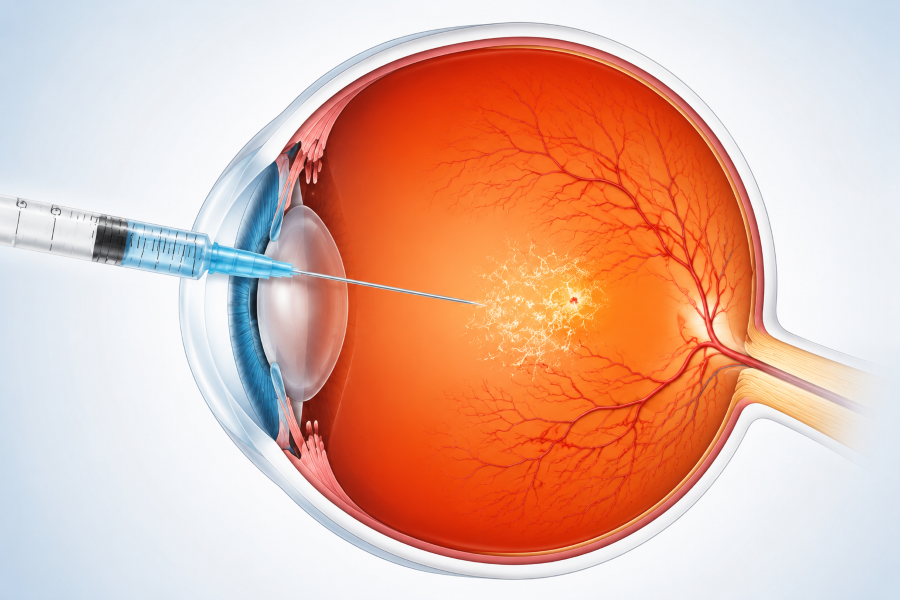
What is Anti-VEGF Injection Treatment for Retina Problems?
VEGF stands for Vascular Endothelial Growth Factor. It is a natural protein involved in blood vessel formation. Certain eye diseases increase VEGF levels inside the eye.
High VEGF activity can cause:
Abnormal Blood Vessel Growth: Fragile vessels develop under or around the retina.
Fluid Leakage: Leaking vessels cause swelling in retinal layers.
Macular Damage: Swelling affects the area responsible for sharp central vision.
Anti-VEGF therapy for eye disease works by blocking VEGF activity. It helps reduce leakage and controls abnormal vessel growth.
Anti-VEGF treatment for retina is widely used for retinal conditions that involve swelling, bleeding, or abnormal vessel formation.
Conditions Treated With Anti-VEGF Therapy for Eye Disease
These injections are recommended for several retinal disorders.
Common conditions include:
Diabetic Macular Edema: Diabetes can damage retinal blood vessels. Leakage from these vessels can cause swelling near the macula.
Wet Age-Related Macular Degeneration: Wet AMD causes abnormal blood vessel growth under the retina. These vessels may leak fluid or blood.
Retinal Vein Occlusion: A blockage in retinal veins can cause fluid accumulation. Injection therapy helps manage retinal swelling.
Myopic Choroidal Neovascularisation: High myopia can trigger abnormal blood vessel growth.
Other Retinal Conditions: A retina specialist may recommend injections for selected conditions after complete evaluation.
Symptoms That May Require Eye Injection Treatment for Retina Problems
Many retinal diseases develop silently. Some symptoms require immediate retina evaluation.
Warning signs include:
Blurred Vision: Objects may appear unclear or less sharp.
Distorted Vision: Straight lines may appear bent or wavy.
Dark Spots in Vision: Patients may notice missing areas while looking.
Difficulty Reading: Small letters may become difficult to see.
Sudden Vision Changes: Rapid changes require urgent eye examination.
Reduced Central Vision: Faces and fine details may become difficult to recognise.
Patients experiencing these symptoms should consult an eye specialist for detailed retinal assessment.
Retinal Injection Treatment at Laxmi Eye Institute
Retinal injection treatment involves delivering medication directly into the vitreous cavity of the eye. This allows the medicine to work near the affected retina.
The procedure is performed using strict sterile precautions.
Step-by-Step Anti-VEGF Injection Procedure
Detailed Retina Examination: The doctor checks vision, retinal condition, and medical history before treatment.
OCT Eye Scan: Optical Coherence Tomography provides detailed images of retinal layers. It helps identify swelling and fluid changes.
Eye Preparation: The eye is cleaned carefully. Numbing drops are used to minimise discomfort.
Intravitreal Injection: The medicine is injected into the vitreous cavity using a fine needle.
Post-Injection Guidance: The patient receives instructions about eye care and follow-up visits.
The actual injection usually takes only a few minutes. Patients can usually return home on the same day.
Intravitreal Anti-VEGF Injection for Retina Diseases
An Intravitreal Anti-VEGF injection delivers medicine directly inside the eye. This method helps achieve targeted treatment for retinal problems.
Benefits of intravitreal delivery include:
Direct Retina Action: Medicine reaches the affected eye area directly.
Controlled Treatment: The dosage is planned according to disease severity.
Minimally Invasive Approach: No major surgical incision is required.
Short Procedure Duration: Treatment is completed within a short time.
Types of Anti-VEGF Medicines Used for Retina Treatment
The choice of medicine depends on the retinal condition and individual patient requirements.
Common Anti-VEGF medicines include:
Ranibizumab: Used for several retinal vascular conditions affecting vision.
Aflibercept: Helps block VEGF activity and manage retinal fluid leakage.
Bevacizumab: Used in selected retinal conditions based on specialist recommendation.
The retina specialist decides the appropriate medicine after evaluating the patient's eye condition.
Benefits of Anti-VEGF Treatment for Retina
This treatment provides several benefits for patients with retinal diseases.
Reduces Retinal Swelling: Helps control fluid accumulation affecting vision.
Limits Abnormal Vessel Growth: Prevents further damage caused by unwanted vessels.
Helps Preserve Vision: Supports protection of remaining eyesight.
Improves Vision Quality: Some patients experience better visual clarity.
Quick Recovery: Most patients resume routine activities soon after treatment.
The outcome depends on the retinal disease stage and response to treatment.

Is Anti-VEGF Injection Painful?
Many patients feel anxious about eye injections. The procedure is generally well tolerated.
During treatment:
Anaesthetic eye drops numb the eye.
The injection takes only a few seconds.
Patients may feel mild pressure.
Temporary irritation may occur after the procedure.
Severe pain, increasing redness, or sudden vision changes after injection should be reported immediately.
Recovery After Intravitreal Injection Treatment
Recovery after an injection is usually quick.
Patients should follow these precautions:
Avoid Touching Eyes: Prevent irritation or infection.
Use Prescribed Eye Drops: Follow doctor instructions carefully.
Attend Follow-Up Visits: Regular monitoring helps track improvement.
Report Unusual Symptoms: Inform the doctor about severe discomfort or vision changes.
OCT scans during follow-up visits help determine future treatment requirements.
How Many Anti-VEGF Injections Are Required?
The number of injections varies from patient to patient.
It depends on:
Type of retinal disease
Severity of swelling
Response to treatment
OCT scan findings
Some patients may need multiple injections. Some may require maintenance treatment at longer intervals. The retina specialist creates an individual treatment plan.
Anti-VEGF Injection Cost in Mumbai
The cost of Anti-VEGF Injection in Mumbai depends on several factors. Each patient requires personalised treatment based on their retinal condition.
Factors affecting cost include:
Type of Anti-VEGF Medicine: Different medicines have different costs.
Number of Injections Required: Some retinal diseases need repeated sessions.
Disease Severity: Advanced conditions may require closer monitoring.
Diagnostic Tests: OCT scans and retinal evaluations contribute to treatment planning.
Follow-Up Requirements: Regular visits help assess treatment response.
Laxmi Eye Institute provides complete cost guidance after evaluating the patient's eye condition.
Who Should Consider Anti-VEGF Treatment for Retina?
Anti-VEGF treatment may be suitable for patients diagnosed with:
Diabetic macular edema
Wet age-related macular degeneration
Retinal vein occlusion
Macular swelling
Abnormal retinal blood vessel growth
A detailed retina consultation helps determine whether injection therapy is appropriate.
Why Choose Laxmi Eye Institute for Anti-VEGF Injection in Mumbai?
Laxmi Eye Institute provides comprehensive retina care with a patient-focused approach.
Reasons to choose our retina services:
Experienced Retina Care Team: Treatment is planned by qualified eye specialists.
Advanced Diagnostic Support: Modern imaging helps identify retinal changes accurately.
Personalised Treatment Approach: Each patient receives care based on their condition.
Safe Injection Practices: Sterile protocols are followed during procedures.
Complete Eye Care Support: Diagnosis, treatment, and follow-up are provided under one roof.
FAQs
- Q. 1What is the purpose of Anti-VEGF injection?
Anti-VEGF injection reduces abnormal blood vessel growth and retinal fluid leakage.
- Q. 2Is Anti-VEGF treatment for retina safe?
Yes, Anti-VEGF treatment for retina is considered safe when performed by trained eye specialists.
- Q. 3How long does an Anti-VEGF injection procedure take?
The procedure usually takes only a few minutes.
- Q. 4How much does Anti-VEGF Injection in Mumbai cost?
The cost depends on the medicine type, injections required, and retinal condition.
- Q. 5Is an Intravitreal Anti-VEGF injection painful?
An Intravitreal Anti-VEGF injection is performed using numbing drops to reduce discomfort.
Meet eye specialists at Laxmi Eye Hospital
Get detailed eye testing and treatment support.
Book an Appointment Now
At Laxmi, the most trusted Eye hospital, we have a heritage of quality eye care spanning 3 decades and over 25 lakh satisfied patients. Our doctors are highly qualified and experienced super specialists, with most of them being fellowship-trained at eminent national and global institutions.
 Call
Call
All Copyright© Reserved @ Laxmi Eye Hospital And Institute