
Anisometropia Treatment in Mumbai & Navi Mumbai
Advanced Anisometropia Care at Laxmi Eye Hospital
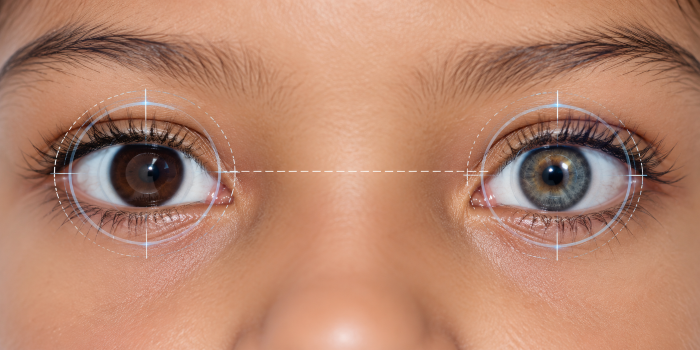
Anisometropia is a vision condition where both eyes have significantly different refractive powers. One eye may be more short-sighted, far-sighted, or have a different level of astigmatism than the other, making it difficult for the brain to combine images from both eyes properly.
At Laxmi Eye Hospital, comprehensive eye examinations help accurately diagnose anisometropia and determine the most suitable vision correction for both children and adults.
Early diagnosis is especially important in children, as untreated anisometropia can lead to amblyopia (lazy eye) and affect normal visual development.
What Causes Anisometropia?
Anisometropia occurs when one eye has a different refractive error than the other, causing unequal focusing ability.
Common causes include:
Different levels of myopia (short-sightedness).
Different levels of hyperopia (far-sightedness).
Unequal astigmatism between both eyes.
Congenital eye development differences.
Eye surgery or injury affecting one eye.
Regular eye examinations can help detect anisometropia before it affects long-term vision.
Symptoms of Anisometropia
Some people may not notice symptoms initially, while others experience difficulties because both eyes focus differently.
Blurred vision in one eye.
Difficulty focusing.
Headaches.
Eye strain.
Poor depth perception.
Lazy eye (amblyopia) in children.
Children often do not realise they have unequal vision, making routine eye screening essential.
How Is Anisometropia Diagnosed?
A detailed eye examination helps determine the difference in refractive power between both eyes and identify associated vision problems.
Diagnosis may include:
Comprehensive eye examination.
Refraction test.
Visual acuity assessment.
Binocular vision evaluation.
Eye health examination.
Early diagnosis helps prevent complications such as amblyopia and supports healthy vision development.
Treatment for Anisometropia
Treatment aims to balance vision between both eyes and improve comfortable binocular vision.
Prescription Glasses
Specially prescribed spectacles help correct unequal refractive errors in many patients.
Contact Lenses
Contact lenses are often recommended when the difference between both eyes is significant because they provide more balanced vision.
Additional Treatments
Depending on the condition, treatment may also include:
Lazy eye therapy.
Vision therapy.
Refractive surgery for suitable adults.
Treatment is personalised based on age, refractive difference, and overall eye health.
Step-by-Step Anisometropia Evaluation Process
Your eye examination generally includes:
1. Vision Assessment
Your vision is checked separately in each eye.
2. Refraction Testing
Specialists measure the exact prescription difference between both eyes.
3. Binocular Vision Evaluation
The doctor checks how both eyes work together.
4. Personalised Treatment Plan
The most suitable vision correction is recommended based on your needs.
Regular follow-up helps ensure comfortable vision and healthy visual development.
Benefits of Early Anisometropia Treatment
Timely treatment helps improve vision quality and prevents long-term complications.
Early treatment can help:
Improve binocular vision.
Reduce eye strain.
Enhance depth perception.
Prevent lazy eye in children.
Support healthy visual development.
Why Choose Laxmi Eye Hospital for Anisometropia Treatment?
Laxmi Eye Hospital provides advanced diagnostic facilities and personalised vision correction for patients of all ages.
Patients benefit from:
Experienced ophthalmologists.
Advanced eye testing technology.
Comprehensive pediatric and adult eye care.
Personalised treatment planning.
Long-term follow-up care.
With centres across Mumbai and Navi Mumbai including Panvel, Kharghar, Kamothe, Dombivli, Wakad, and Hinjewadi, specialised eye care is available closer to your location.
Consult Laxmi Eye Hospital for Anisometropia Treatment
If you or your child experience blurred vision, eye strain, or unequal vision between both eyes, consult an experienced eye specialist for timely diagnosis and personalised treatment.
Book Your Consultation TodayFrequently Asked Questions About Anisometropia
-
Q1. What is anisometropia?
Anisometropia is a condition where both eyes have different refractive powers, causing unequal vision.
-
Q2. Can anisometropia cause lazy eye?
Yes. In children, untreated anisometropia can lead to amblyopia (lazy eye).
-
Q3. Can adults develop anisometropia?
Yes. Adults can develop anisometropia due to natural refractive changes, surgery, or eye injury.
-
Q4. Are contact lenses better than glasses?
In some cases with larger prescription differences, contact lenses provide more balanced vision than glasses.
-
Q5. Can anisometropia be treated permanently?
Depending on suitability, glasses, contact lenses, or refractive surgery can effectively correct vision differences.
At Laxmi, the most trusted Eye hospital, we have a heritage of quality eye care spanning 3 decades and over 25 lakh satisfied patients. Our doctors are highly qualified and experienced super specialists, with most of them being fellowship-trained at eminent national and global institutions.
 Call
Call
All Copyright© Reserved @ Laxmi Eye Hospital And Institute