
Myopia Control for Children in Navi Mumbai
What is Childhood Myopia?
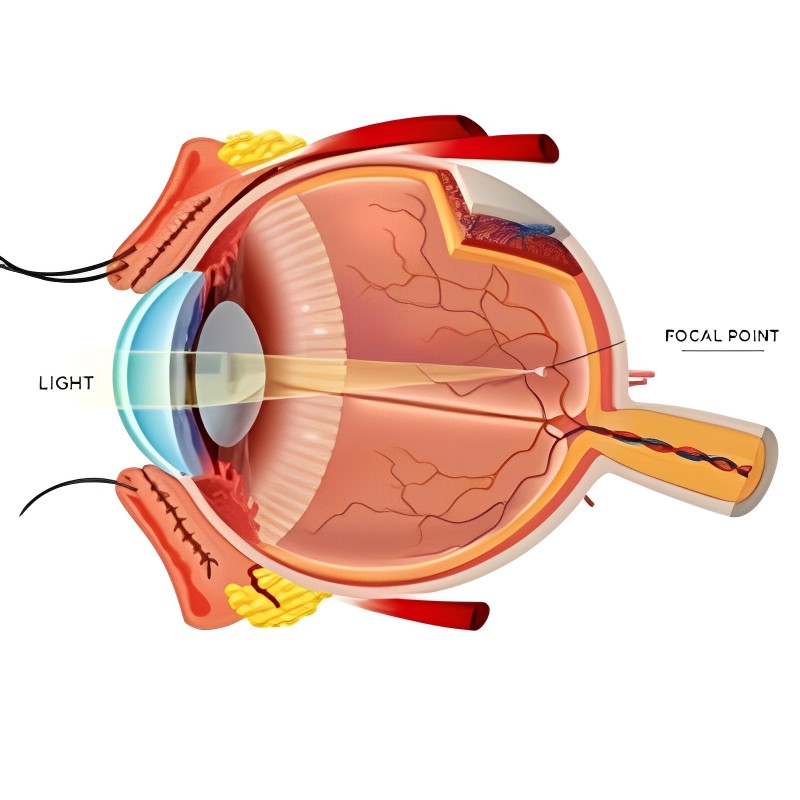
Myopia, commonly called nearsightedness, is a refractive error where a child sees near objects clearly but distant objects appear blurred. In many children, myopia can increase during school years as the eye grows.
Myopia control focuses on slowing the progression of myopia, not just changing spectacle power. At Laxmi Eye Hospital & Institute, children are evaluated for risk factors, eye power progression, eye health, lifestyle habits and suitability for myopia management options.
Signs Your Child May Have Myopia
Children may not always complain clearly, so parents should watch for visual behavior changes.
Sitting very close to the television or board.
Difficulty seeing the school board clearly.
Squinting, blinking or rubbing eyes often.
Headache or tiredness after school or screen use.
Frequent change in spectacle number.
Holding books or devices very close.
Avoiding outdoor play or sports due to unclear distance vision.
Family history of myopia or high spectacle power.
Myopia Control Evaluation
A myopia control evaluation may include vision testing, refraction, cycloplegic refraction where advised, binocular vision assessment, eye health examination, family history review and tracking of spectacle power over time.
In selected children, the doctor may advise additional measurements or follow-up intervals to monitor progression. The treatment plan is personalized based on the child’s age, power, rate of progression, lifestyle and ability to comply with the option selected.
Myopia Control Options
Treatment choice depends on eye findings, child age, family preference, safety and follow-up compliance.
Low-Dose Atropine
Low-dose atropine eye drops may be advised in selected children to slow myopia progression.
Ortho-K Lenses
Orthokeratology lenses are worn overnight by suitable children under strict hygiene and follow-up.
Specialty Lenses
Certain myopia control contact lenses or spectacle lens designs may be considered after evaluation.
Outdoor Time
More outdoor activity is encouraged, especially for children at risk of developing myopia.
Screen Habits
Balanced screen time, reading distance and breaks support healthier visual habits.
Regular Monitoring
Follow-up visits help track progression and adjust the treatment plan when needed.
Why Early Myopia Control Matters
Progressive myopia can increase dependence on spectacles and may increase the lifetime risk of certain eye conditions, especially in high myopia. Early detection and regular monitoring help families take timely action.
Myopia control does not usually remove the need for glasses immediately. The goal is to slow progression and protect long-term eye health. Children with screen-related eye strain may also benefit from Computer Vision Syndrome Treatment guidance.

Specialty Contact Lens and Pediatric Vision Support
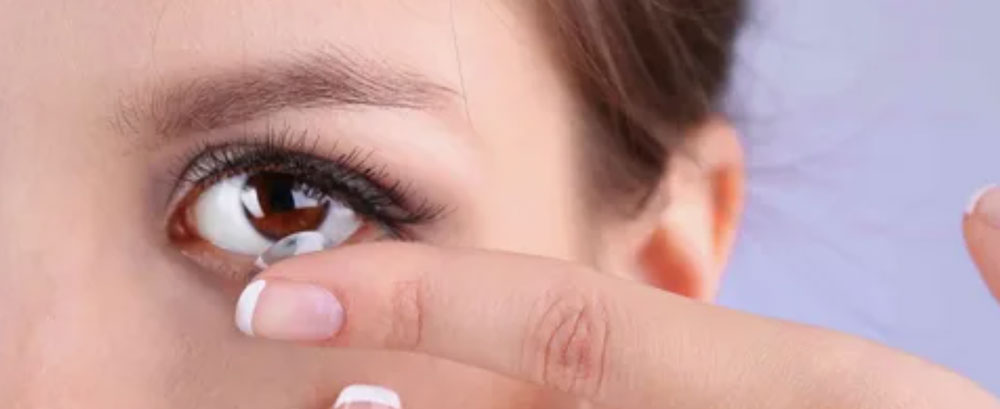
Laxmi Eye Hospital has optometry and pediatric eye care support for children with refractive errors, poor vision, contact lens needs and myopia management. Specialty lenses require careful fitting, hygiene training and scheduled follow-up.
Parents can also review contact lens services, poor vision treatment in children and pediatric eye care pages for related information.
Myopia Control FAQs
- Q. 1Can myopia in children be cured?
Myopia usually cannot be permanently cured in childhood. Treatment aims to correct vision and slow progression where possible.
- Q. 2Does my child still need glasses during myopia control?
Often yes. Some treatments slow progression but do not replace the need for clear vision correction.
- Q. 3Is Ortho-K safe for children?
Ortho-K can be considered for suitable children, but it requires proper fitting, hygiene, parent supervision and regular follow-up.
- Q. 4Can outdoor time help?
More outdoor time is encouraged and may help reduce the risk of developing myopia in children.
- Q. 5When should my child be checked?
Book an eye exam if your child squints, sits close to screens, cannot see the board, has frequent power changes or has a family history of myopia.
- Q. 6How often are follow-ups needed?
Follow-up frequency depends on age, power, treatment option and progression rate. Your doctor will set the schedule.
Worried About Increasing Power in Your Child?
Book a myopia control evaluation at Laxmi Eye Hospital.
Book an Appointment Now!
At Laxmi, the most trusted Eye hospital, we have a heritage of quality eye care spanning 3 decades and over 25 lakh satisfied patients. Our doctors are highly qualified and experienced super specialists, with most of them being fellowship-trained at eminent national and global institutions.
 Call
Call
All Copyright© Reserved @ Laxmi Eye Hospital And Institute