
Visual Snow Syndrome
Visual Snow Syndrome (VSS) is a neurological condition that affects the visual processing system. It is often misunderstood, as its symptoms are not always visible on medical tests. However, it significantly impacts daily life for those who suffer from it. This blog aims to explore the causes, symptoms, and treatment options of Visual Snow Syndrome and help readers understand the condition better.
What is Visual Snow Syndrome?

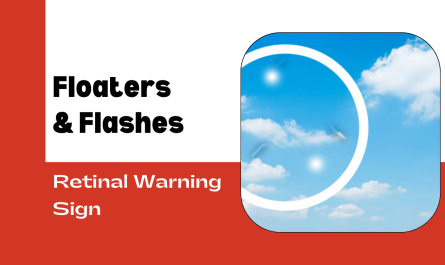
Visual Snow Syndrome is a condition where individuals experience constant visual disturbances. These disturbances are often described as “visual static,” similar to the static seen on a television screen without a signal. While the term “visual snow” is commonly used, this syndrome can affect not only vision but also other sensory perceptions.
Key features of Visual Snow Syndrome:
- Persistent visual noise or “static.”
- Can be accompanied by migraines, light sensitivity, and afterimages.
- Affects vision without any obvious eye problem.
Causes
The exact cause of Visual Snow Syndrome is still not fully understood. However, researchers believe it may stem from abnormal processing of visual information in the brain. Some possible causes include:
- Neurological Factors: The brain may process visual signals abnormally, causing an overload of sensory information, which leads to the perception of visual noise.
- Genetic Factors: There may be a hereditary component to the syndrome, as some people with a family history of migraines or other neurological disorders report higher susceptibility.
- Other Conditions: VSS may be linked to other health issues, such as migraines, anxiety, or even post-traumatic stress disorder (PTSD).
Symptoms
The symptoms of Visual Snow Syndrome can vary in severity but often include:
- Visual Snow: A constant grainy or static effect similar to static on a TV screen.
- Photophobia: Sensitivity to light, making it difficult to tolerate bright environments.
- Afterimages: The sensation of seeing lingering images after looking at a bright object or light source.
- Migraines: Many individuals with VSS also experience frequent headaches or migraines.
- Tinnitus: A ringing or buzzing sound in the ears, which sometimes accompanies VSS.
For many people, these symptoms significantly impair their quality of life, making everyday tasks difficult.
Treatment Options for Visual Snow Syndrome
There is currently no cure for Visual Snow Syndrome, but there are treatment options that may help manage symptoms and improve quality of life:
- Medications: Certain medications, such as anticonvulsants or antidepressants, may help reduce the frequency and severity of symptoms.
- Migraine Management: Since VSS often coexists with migraines, migraine treatments like beta-blockers or triptans may help alleviate symptoms.
- Cognitive Behavioral Therapy (CBT): For individuals with associated anxiety or depression, CBT may be an effective treatment to manage emotional distress.
- Lifestyle Adjustments: Reducing stress, managing screen time, and using tinted lenses for light sensitivity can provide relief for some patients.
Expert Recommendations
While there is no one-size-fits-all treatment for Visual Snow Syndrome, patients are encouraged to work closely with their healthcare provider to find a personalized approach. Understanding the triggers of symptoms, whether they be stress, migraines, or environmental factors, can play a crucial role in managing the condition. Regular eye exams and neurological evaluations can help monitor any changes in vision or associated symptoms.
Consultation at Laxmi Eye Hospital
Laxmi Eye Hospital has been a trusted name in the eye care industry for over 30 years. Known for its comprehensive services, the hospital specializes in treatments such as Specs Removal (LASIK), Cataract Surgery, Glaucoma Treatment, Retina Treatment, and Diabetic Eye Care. With expert ophthalmologists and advanced technology, Laxmi Eye Hospital is committed to providing the best care for visual health.
For consultations, visit Laxmi Eye Hospital at its various locations in Mumbai. You can easily book an appointment online or by calling the hospital directly.
FAQs
- What is Visual Snow Syndrome?
- Visual Snow Syndrome is a neurological condition that causes persistent visual disturbances like “static” or “visual noise.”
- Can Visual Snow Syndrome be cured?
- There is currently no cure, but treatment options are available to manage symptoms.
- Is Visual Snow Syndrome related to migraines?
- Many individuals with VSS also experience migraines, and the two conditions often occur together.
- Can stress make Visual Snow Syndrome worse?
- Yes, stress can trigger or exacerbate symptoms in some individuals.
- How is Visual Snow Syndrome diagnosed?
- There is no specific test for VSS, but a thorough neurological and eye exam can help rule out other causes.
- Are there any lifestyle changes that can help with Visual Snow Syndrome?
- Reducing stress, minimizing screen time, and using tinted glasses may help alleviate symptoms.
Conclusion
Visual Snow Syndrome can significantly impact daily life, but with the right treatment and lifestyle adjustments, many individuals can manage their symptoms effectively. If you’re experiencing visual disturbances or other related symptoms, it’s essential to consult with a healthcare provider for a proper diagnosis and personalized treatment plan.