Neuro-Ophthalmology
Vision is not only an eye function.
Your brain plays a direct role in how clearly you see the world.
Many people visit an ophthalmologist in Mumbai for blurred vision, double vision, or sudden sight changes. But in some cases, eye tests show normal results. The problem still exists. This is where Neuro-Ophthalmology becomes important. It explains how vision problems can start in the brain, optic nerve, or visual pathways.
This blog explains how Neuro-Ophthalmology works, how the brain controls vision, common symptoms, key conditions, diagnosis methods, and where patients can get proper care such as at Laxmi Eye Hospital or through an experienced ophthalmologist in Mumbai.
What is Neuro-Ophthalmology
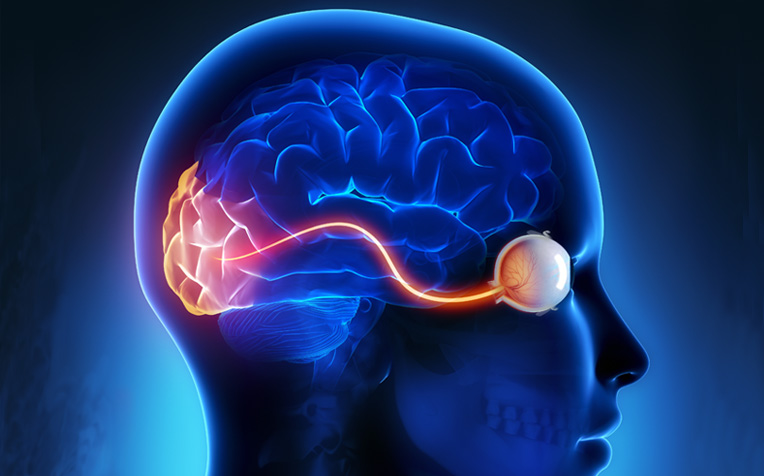
Neuro-Ophthalmology is a medical field that connects the brain and eye function.
It studies how vision is processed from the eye to the brain and where the system can fail.
Your eye only captures images.
Your brain interprets them.
When this connection is affected, vision problems appear even if the eye looks normal. Neuro-Ophthalmology focuses on issues like optic nerve disorders, brain-related vision loss, and eye movement problems. Many patients first visit an ophthalmologist in Mumbai, but further evaluation leads to Neuro-Ophthalmology for deeper diagnosis.
At centres like Laxmi Eye Hospital, doctors evaluate whether the issue comes from the eye or the brain pathway before planning treatment.
How Brain Controls Your Vision
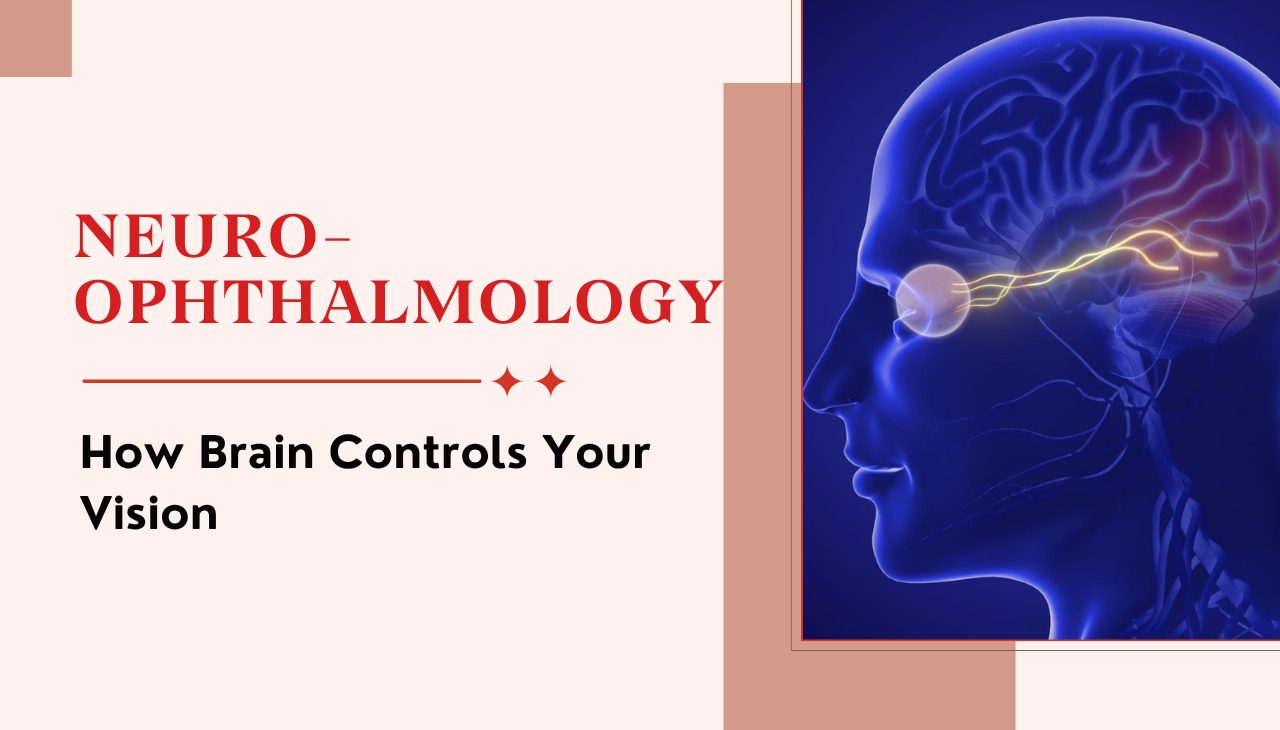
Vision begins when light enters your eye. The retina converts this light into signals. These signals travel through the optic nerve.
Then they reach the brain’s visual center. Neuro-Ophthalmology explains this full pathway in detail. The brain does not just “see” images. It builds meaning from them.
Different brain areas control:
- Shape recognition
- Color understanding
- Depth perception
- Movement tracking
If any part of this system is affected, vision changes occur.
An ophthalmologist in Mumbai may find the eye structure normal, but Neuro-Ophthalmology helps identify hidden brain-related causes.
At Laxmi Eye Hospital, such cases are often evaluated using brain imaging and visual field testing.
Symptoms That Suggest Neuro-Ophthalmology Problems
Vision issues linked to the brain often behave differently from simple eye problems.
You may notice:
- Sudden blurred vision in one eye
- Double vision while looking sideways
- Loss of side vision
- Difficulty recognizing faces
- Temporary vision loss
- Eye pain during movement
These symptoms often confuse patients. They visit an ophthalmologist in Mumbai thinking it is a simple refractive issue, but further evaluation shows a neurological link.
Neuro-Ophthalmology helps separate eye-related and brain-related causes early.
At Laxmi Eye Hospital, doctors check whether symptoms follow a nerve, muscle, or brain pathway pattern before confirming diagnosis.
Common Conditions in Neuro-Ophthalmology
Several conditions fall under Neuro-Ophthalmology.
Optic Neuritis
Inflammation of the optic nerve causes pain and sudden vision loss.
Neuro-Ophthalmology plays a key role in early detection.
Papilledema
Increased brain pressure leads to optic nerve swelling.
This condition needs urgent attention from an ophthalmologist in Mumbai.
Stroke-Related Vision Loss
A stroke can affect the brain’s visual center.
Patients may lose part of their visual field without realizing it.
Double Vision Disorders
Eye muscle or nerve imbalance leads to two images instead of one.
Brain Tumor Pressure Effects
Growth near visual pathways can slowly reduce vision.
At Laxmi Eye Hospital, Neuro-Ophthalmology evaluation helps detect these conditions early before permanent damage occurs.
Diagnosis Approach in Neuro-Ophthalmology
Diagnosis starts with detailed symptom study.
An ophthalmologist in Mumbai may perform:
- Vision testing
- Eye movement examination
- Pupil response checks
Neuro-Ophthalmology requires deeper testing such as:
- MRI brain scan
- Visual field testing
- OCT scan for optic nerve health
- Blood tests for inflammation
This step is important because many Neuro-Ophthalmology cases look normal in basic eye tests.
Treatment and Management
Treatment depends on the cause, not just symptoms.
Neuro-Ophthalmology treatments may include:
- Medicines to reduce nerve inflammation
- Treatment for brain pressure
- Stroke rehabilitation support
- Vision therapy for eye coordination issues
An ophthalmologist in Mumbai may first stabilize symptoms, then refer complex cases for advanced care.
Why Early Evaluation Matters
Vision changes should never be ignored.
Even small symptoms like brief double vision or partial blurring may signal deeper issues.
Neuro-Ophthalmology helps detect problems before they become severe.
Many patients delay visiting an ophthalmologist in Mumbai thinking it is a minor issue. But delayed diagnosis can affect recovery.
FAQs
What is Neuro-Ophthalmology in simple terms
It is the study of vision problems caused by the brain, optic nerve, or eye movement system.
When should I see an ophthalmologist in Mumbai for Neuro-Ophthalmology issues
If you notice sudden vision loss, double vision, or unexplained blurred vision, you should consult immediately.
Can eye tests detect Neuro-Ophthalmology problems
Not always. Many cases need brain imaging and advanced tests.
Is Neuro-Ophthalmology treatment available at Laxmi Eye Hospital
Yes, complex vision issues linked to nerves and brain pathways are evaluated and managed there.
Can Neuro-Ophthalmology problems be cured
Some conditions improve fully with treatment, while others need long-term management.
Why do I have vision problems but normal eye reports
The issue may be in the brain or optic nerve, not the eye itself.
Conclusion
Neuro-Ophthalmology explains the hidden link between your brain and vision.
It helps identify problems that basic eye tests may miss.
An experienced ophthalmologist in Mumbai plays an important role in early detection, but advanced evaluation is often needed for accurate diagnosis.
If your vision feels different without a clear reason, timely evaluation can protect your sight and guide the right treatment path.