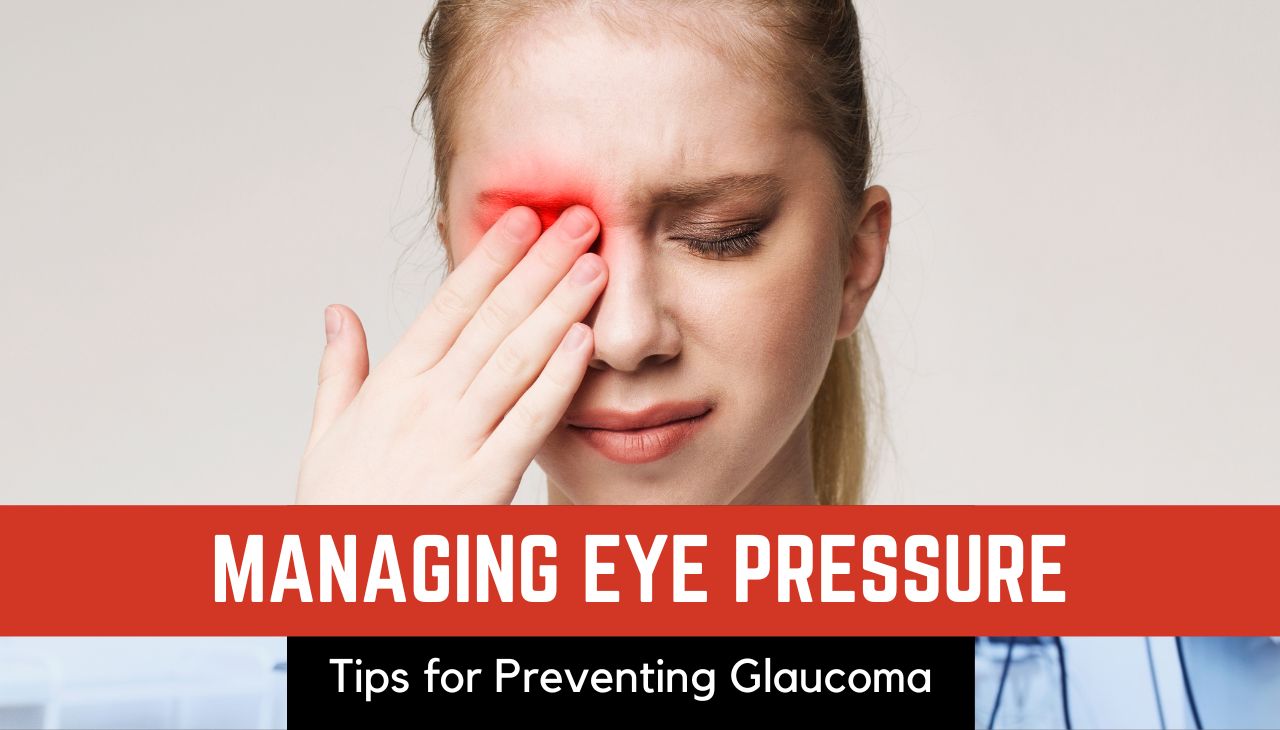
Managing Eye Pressure
Did you know that glaucoma can steal your sight without warning? Managing eye pressure is the first step in protecting your vision and preventing this “silent thief” from affecting your life. In this blog, we’ll explore how eye pressure impacts your eye health, the causes of glaucoma, and practical tips to keep your eyes healthy and pressure levels in check.
Understanding Eye Pressure and Glaucoma
What is Eye Pressure?
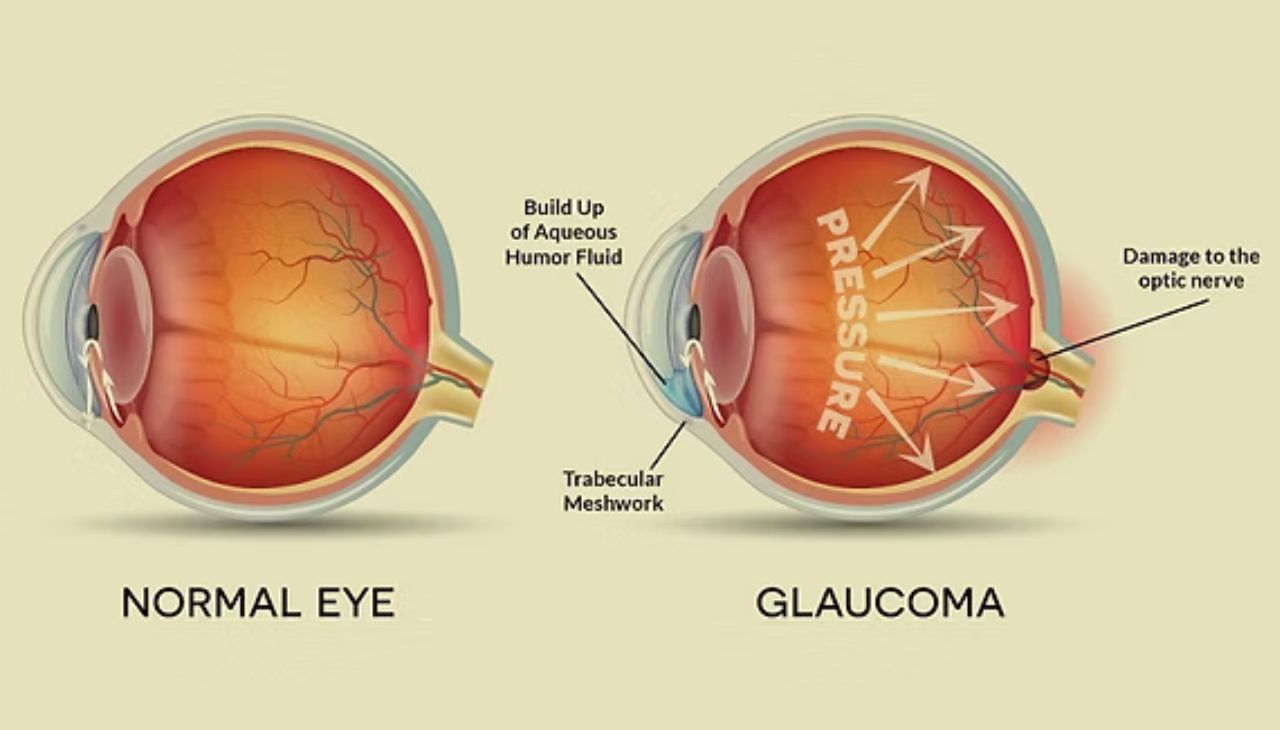
Eye pressure, also called intraocular pressure (IOP), is the fluid pressure inside your eyes. This pressure is necessary for maintaining the eye’s shape and proper function. However, when it gets too high, it can cause damage to the optic nerve and lead to conditions like glaucoma.
What is Glaucoma?
Glaucoma is a group of eye diseases that can cause permanent vision loss if left untreated. It usually develops when elevated eye pressure damages the optic nerve. This condition can go unnoticed because it often has no early symptoms. Regular monitoring of eye pressure is crucial to catch it before it causes irreversible damage.
Causes and Symptoms of Glaucoma
What Causes High Eye Pressure?
Several factors can increase eye pressure, including:
- Overproduction of fluid: The eye produces a clear fluid called aqueous humor, which drains out through tiny channels. If the drainage system is blocked or inefficient, the fluid builds up and raises pressure.
- Genetics and age: If you’re over 40 or have a family history of glaucoma, you may be at higher risk.
- Other health conditions: High blood pressure, diabetes, and certain medications can contribute to elevated eye pressure.
Symptoms of Glaucoma
Glaucoma is often referred to as the “silent thief of sight” because it doesn’t show symptoms until the damage is significant. However, some warning signs may include:
- Loss of peripheral vision: Glaucoma often starts with the gradual loss of side (peripheral) vision.
- Halos around lights: You may notice colorful halos around lights, especially at night.
- Eye pain or headaches: This can happen in more advanced stages.
Treatment Options and Solutions
Medications to Lower Eye Pressure
The most common treatment for high eye pressure is medication in the form of eye drops. These drops help reduce fluid production or increase drainage. It’s important to follow the prescribed treatment to avoid further complications.
Laser Treatments
If eye drops aren’t effective, laser therapy can be an option. Laser treatments, like laser trabeculoplasty, help open up the drainage channels in the eye to reduce pressure. This can be especially beneficial for people who don’t respond well to medications.
Surgical Procedures
In more severe cases, surgery may be required to create a new drainage channel for the eye’s fluid. Procedures such as trabeculectomy help regulate eye pressure by allowing the fluid to drain more efficiently.
Tips for Maintaining Healthy Eyes
Regular Eye Exams
Routine eye exams are essential, especially after age 40. These exams can detect early signs of glaucoma, even before symptoms appear. An eye exam typically includes measuring your eye pressure, checking your optic nerve, and testing your vision.
Healthy Lifestyle Choices
Maintaining a balanced diet and exercising regularly can lower your risk of developing high eye pressure. Foods rich in antioxidants, such as leafy greens, berries, and fish, support overall eye health.
Protecting Your Eyes
Protect your eyes from injury by wearing protective eyewear during activities like sports or when working with hazardous materials. Eye protection can prevent trauma that could lead to increased pressure or other issues.
Managing Other Health Conditions
Managing chronic conditions like high blood pressure and diabetes is also essential, as these can contribute to eye pressure issues and increase your risk of glaucoma.
Laxmi Eye Hospital focus on comprehensive treatments for conditions like glaucoma, cataracts, diabetic eye issues, and LASIK, we pride ourselves on offering cutting-edge care tailored to each patient’s needs. Our experienced team of specialists is here to ensure your eyes stay healthy and your vision remains sharp.
Book your consultation today at one of our conveniently located clinics in Mumbai and Navi Mumbai. Our expert team will assess your eye pressure, recommend the best treatment, and guide you on how to manage your eye health effectively.
FAQs
1. What is considered normal eye pressure?
Normal eye pressure typically ranges from 10 to 21 mmHg. Eye pressure above 21 mmHg may be a cause for concern.
2. Can I prevent glaucoma completely?
While glaucoma can’t be fully prevented, regular eye exams and early detection can help manage it effectively and prevent vision loss.
3. How often should I get my eyes checked?
It’s recommended to have an eye exam every year starting at age 40, or earlier if you have a family history of glaucoma or other risk factors.
4. Can lifestyle changes reduce eye pressure?
Yes, a healthy lifestyle with a balanced diet, regular exercise, and stress management can help maintain healthy eye pressure levels.
5. Is glaucoma treatment painful?
Most glaucoma treatments, including medications and laser treatments, are minimally invasive and relatively painless. However, it’s essential to follow up with your doctor for ongoing care.
Conclusion
Managing eye pressure is key to preventing glaucoma and maintaining healthy vision. Regular eye exams, a healthy lifestyle, and early treatment can make a significant difference. If you’re due for an eye check-up or have concerns about your eye health, don’t hesitate to book a consultation with Laxmi Eye Hospital today. Protect your vision for tomorrow!