
Cataracts Develop Faster in Diabetic Patients: Guidance at Laxmi Eye Hospital
Have you started feeling that night driving has become harder than it used to be? Do bright lights seem more uncomfortable, or does your vision stay blurry even after changing your glasses? If you are living with diabetes, these changes should never be ignored.
Managing diabetes already takes daily effort. Your eyes deserve the same attention. Diabetes can affect several parts of the eye, including the natural lens, where cataracts develop. Many people are surprised to learn that diabetic patients often develop cataracts earlier than others, and the condition may progress more quickly if blood sugar levels remain uncontrolled.
This guide explains why diabetes increases the risk of cataracts, the warning signs to watch for, practical ways to protect your eyesight, and when you should consider consulting an experienced Ophthalmologist in Mumbai.
What Is a Cataract?
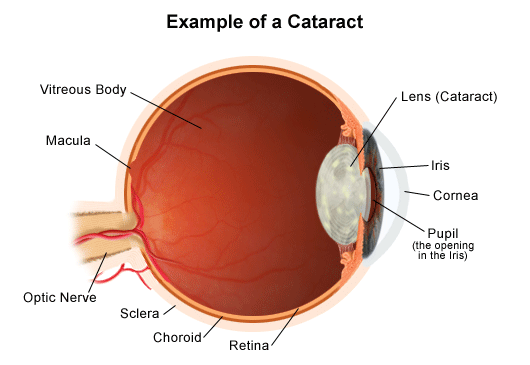
Your eye works much like a camera. Inside the eye is a clear natural lens that focuses light onto the retina, allowing you to see sharp images.
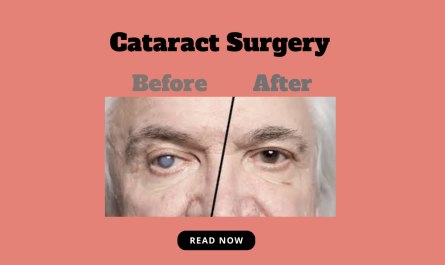
A cataract develops when this clear lens gradually becomes cloudy. Instead of passing through a transparent lens, light gets scattered, making everything appear blurred or dull.
Most cataracts develop as part of the natural ageing process. For people with diabetes, this clouding often begins earlier and can worsen more rapidly.
Common symptoms include:
- Blurred or cloudy vision that does not improve completely with glasses.
- Difficulty driving at night, especially because of glare from headlights.
- Increased sensitivity to bright lights or sunlight.
- Colours appearing faded or less vibrant than before.
- Frequent changes in spectacle prescription without lasting improvement.
- Halos around lights, particularly during evening hours.
If these symptoms sound familiar, your vision deserves a professional assessment rather than another change of glasses.
Why Does Diabetes Make Cataracts Develop Faster?
Think of your eye’s lens as a perfectly clear window.
When blood sugar remains high over long periods, extra glucose enters the lens. Some of this glucose changes into a substance called sorbitol. Sorbitol attracts water, causing the lens fibres to swell and lose their natural clarity.
At the same time, high blood sugar increases oxidative damage inside the lens. Over time, the proteins that keep the lens transparent begin to break down, leading to cataract formation.
This is why people with diabetes are more likely to:
- Develop cataracts at a younger age.
- Experience faster progression of cataracts.
- Need treatment earlier than people without diabetes.
Research consistently shows that good blood sugar control helps slow these changes, though it cannot completely eliminate the risk.
Can Poor Diabetes Control Speed Up Cataracts?
Yes. Blood sugar control plays a major role in how quickly cataracts progress.
People with consistently high HbA1c levels often experience faster clouding of the lens compared with those whose diabetes is well managed.
Several factors increase the likelihood of rapid cataract progression:
- Long-standing diabetes
- Poorly controlled blood sugar
- High blood pressure
- Diabetes-related kidney disease
- Smoking
- Poor dietary habits
- Increasing age
You cannot change every risk factor. You can control many of them through healthy lifestyle choices and regular medical follow-up.
6 Warning Signs Your Vision May Be Changing
Vision changes often happen gradually. Many people assume they simply need stronger glasses.
Look out for these signs instead:
1. Blurred vision throughout the day
Objects appear hazy even while wearing your current spectacles.
2. Difficulty seeing while driving at night
Headlights become brighter and create excessive glare.
3. Frequent changes in glasses
Your prescription keeps changing but your vision never feels completely clear.
4. Colours appear dull
White objects may look yellowish and colours lose their brightness.
5. Increased light sensitivity
Bright sunlight or indoor lights become uncomfortable.
6. Reading becomes more difficult
You need brighter lighting or larger print than before.
If you notice any of these symptoms, schedule a comprehensive eye examination instead of waiting for your vision to worsen.
Can You Reduce the Risk of Cataracts?
You cannot completely prevent cataracts. You can slow their progression by taking good care of both your diabetes and your eyes.
Keep your diabetes under control
Maintaining stable blood sugar remains the most effective way to reduce damage to the eye’s lens.
Follow your treatment plan, monitor your glucose levels, and aim for your target HbA1c.
Build healthy daily habits
Simple lifestyle choices make a difference over time.
- Eat a balanced diet rich in fruits and vegetables.
- Include foods containing vitamins C and E.
- Stay physically active.
- Avoid smoking.
- Wear UV-protective sunglasses outdoors.
These habits support both your general health and your vision.
Do not skip regular eye examinations
Many diabetic eye conditions develop without causing pain.
Routine eye examinations help detect cataracts and other vision-threatening conditions before they begin affecting daily life.
If you are searching for a trusted Ophthalmologist in Mumbai, choose a specialist experienced in managing diabetic eye diseases through regular monitoring and timely treatment.
Cataract Surgery and Treatment Options for Diabetic Patients
In the early stages, stronger glasses may temporarily improve vision.
As cataracts become denser, glasses no longer provide adequate clarity. At that stage, surgery becomes the most effective treatment.
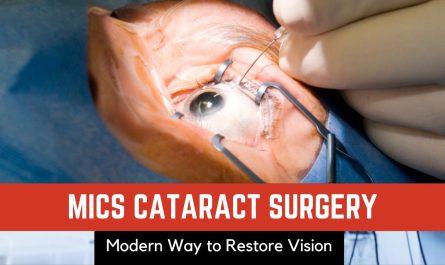
During Cataract Surgery in Mumbai, the cloudy natural lens is removed and replaced with a clear artificial intraocular lens. The procedure is usually completed as a day-care surgery, allowing most patients to return home the same day.
Before surgery, your ophthalmologist carefully examines the retina because diabetes may also affect the back of the eye. Managing diabetic retinopathy before or alongside cataract surgery often improves overall visual outcomes.
Patients receiving Cataract Surgery in Mumbai generally achieve excellent visual improvement when diabetes is well controlled and the retina remains healthy.
Why Regular Diabetic Eye Check-ups Matter
Managing diabetes is already part of your daily routine.
Adding regular eye examinations to that routine is one of the simplest ways to protect your eyesight.
A comprehensive diabetic eye examination can identify:
- Cataracts
- Diabetic retinopathy
- Diabetic macular edema
- Glaucoma
- Other diabetes-related eye disorders
Early detection often means simpler treatment and better long-term vision.
At Laxmi Eye clinic, patients with diabetes receive comprehensive eye evaluations that help detect cataracts and other diabetic eye conditions before they significantly affect vision. Regular follow-up allows treatment decisions to be made at the right time rather than after vision loss has already occurred.
Frequently Asked Questions
1. Do all diabetic patients develop cataracts?
No. Diabetes increases the risk, but not everyone develops cataracts. Good diabetes management may delay their development.
2. Can controlling blood sugar prevent cataracts completely?
No. Age-related cataracts can still develop. Good blood sugar control helps slow their progression.
3. Is cataract surgery safe for diabetic patients?
Yes. Cataract surgery is considered safe and successful for most diabetic patients after a thorough retinal evaluation.
4. How often should people with diabetes have their eyes checked?
Most adults with diabetes should have a comprehensive dilated eye examination at least once a year. Your ophthalmologist may recommend more frequent visits depending on your eye health.
5. Can cataracts and diabetic retinopathy occur together?
Yes. Many diabetic patients have both conditions. Your ophthalmologist will examine the retina carefully before planning surgery.
6. Will cataract surgery cure diabetic eye disease?
No. Cataract surgery treats the cloudy lens. Diabetic retinopathy requires separate evaluation and treatment if present.
7. Is blurry vision always caused by cataracts?
No. High blood sugar itself can temporarily blur vision. Blurred vision should always be evaluated to identify the underlying cause.
Protect Your Vision Before Cataracts Affect Your Daily Life
Living with diabetes does not mean vision loss is inevitable. Regular blood sugar control, healthy lifestyle habits, and routine eye examinations can significantly reduce the impact cataracts have on your life. Recognising early symptoms and seeking timely care allows treatment before vision begins interfering with work, driving, or everyday activities.
If you notice persistent blurred vision, glare while driving, or frequent changes in your glasses, do not wait for the symptoms to become more severe. Schedule a comprehensive eye examination with an experienced Ophthalmologist in Mumbai. If cataracts are affecting your quality of life, timely Cataract Surgery in Mumbai at Laxmi Eye clinic can help restore clearer vision and support long-term eye health.