

Vitrectomy Surgery
Clear vision depends on the healthy functioning of every part of your eye, especially the retina and vitreous. The vitreous is a transparent gel-like substance that fills the inside of the eye and helps maintain its shape. However, certain eye conditions can cause changes in the vitreous, leading to blurred vision, floaters, or retinal problems.
Vitrectomy surgery is an advanced eye procedure performed to remove the vitreous gel and treat conditions affecting the retina and the back portion of the eye. It helps surgeons repair retinal issues, remove scar tissue, and improve the environment inside the eye for better healing.
With advancements in microsurgical techniques, vitrectomy has become a safe and effective procedure when performed by an experienced eye specialist. Patients looking for expert evaluation can consult an experienced Ophthalmologist in Mumbai for proper diagnosis and treatment planning.
What Is Vitrectomy Surgery?
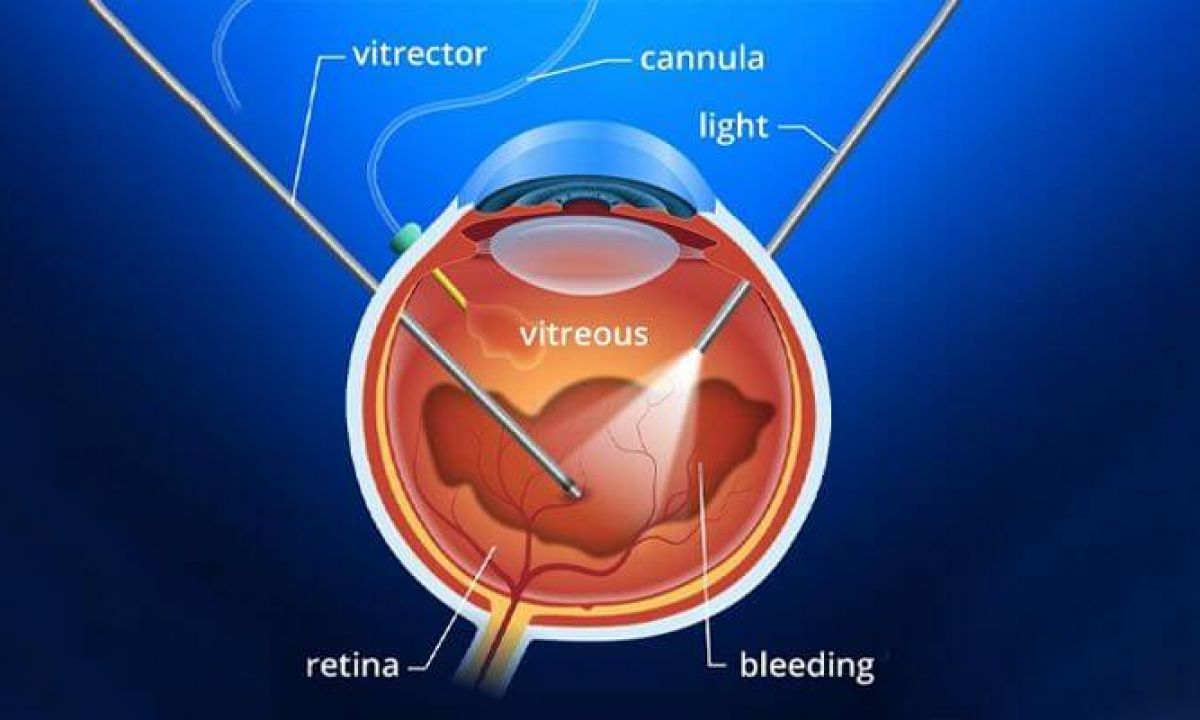
Vitrectomy surgery is a minimally invasive eye procedure that involves removing the vitreous gel from the center of the eye. The removed gel is usually replaced with a special solution, gas bubble, or silicone oil to support the retina during healing.
The vitreous normally allows light to pass through the eye and reach the retina. However, problems such as bleeding, inflammation, scar formation, or retinal tears can interfere with vision. Removing the affected vitreous helps doctors treat the underlying problem and prevent further vision loss.
At specialized eye care centers like Laxmi Eye Hospital, advanced retinal procedures are performed using modern technology and specialized surgical techniques to manage complex eye conditions.
Why Is Vitrectomy Surgery Recommended?
A doctor may recommend vitrectomy when problems inside the vitreous or retina affect your vision. Some common conditions treated with vitrectomy include:
1. Retinal Detachment
Retinal detachment occurs when the retina separates from its normal position. This can cause sudden flashes, floaters, or loss of vision. Vitrectomy helps repair retinal tears and allows the retina to heal properly.
2. Diabetic Retinopathy
Diabetes can damage the blood vessels of the retina, causing bleeding inside the eye. Vitrectomy may be performed to remove blood from the vitreous and improve vision.
3. Macular Hole
A macular hole affects the central part of the retina responsible for detailed vision. Vitrectomy can help close the hole and improve visual function.
4. Vitreous Hemorrhage
Bleeding inside the vitreous can block light from reaching the retina. Surgery helps clear the blood and allows the doctor to treat the source of bleeding.
5. Scar Tissue Formation
Scar tissue can pull on the retina and distort vision. Vitrectomy helps remove these tissues and reduce retinal stress.
What Are the Symptoms That May Require Vitrectomy Evaluation?
You should consult an eye specialist if you experience:
- Sudden increase in eye floaters
- Flashes of light
- Blurred or distorted vision
- A dark shadow or curtain-like effect in vision
- Difficulty seeing clearly despite glasses
- Sudden vision changes
Early evaluation by an experienced Ophthalmologist in Mumbai can help identify retinal problems before they become severe.
How Is Vitrectomy Surgery Performed?
Vitrectomy is usually performed as a day-care procedure under local or general anesthesia.
During the surgery:
Step 1: Creating Tiny Eye Openings
The surgeon makes small openings in the white part of the eye (sclera) to insert specialized microsurgical instruments.
Step 2: Removing the Vitreous Gel
The cloudy, damaged, or problematic vitreous gel is carefully removed using advanced surgical equipment.
Step 3: Treating the Eye Condition
The surgeon repairs the underlying problem, which may include:
- Repairing retinal tears
- Removing scar tissue
- Treating bleeding
- Closing a macular hole
Step 4: Replacing the Vitreous
The removed vitreous is replaced with:
- Balanced salt solution
- Gas bubble
- Silicone oil
These help maintain eye structure and support retinal healing.
The procedure usually takes around one to two hours, depending on the complexity of the condition.
How Should You Prepare Before Vitrectomy Surgery?
Your eye surgeon will provide specific instructions before surgery. Preparation may include:
- Informing your doctor about current medications
- Adjusting blood-thinning medicines if advised
- Avoiding food and drinks before surgery if required
- Arranging transportation after the procedure
- Keeping your home environment safe for recovery
It is important to discuss any existing health conditions and medications with your doctor before surgery.
What Is the Recovery Process After Vitrectomy?
Recovery after vitrectomy surgery varies depending on the condition treated and the type of procedure performed.
During recovery, patients may experience:
- Mild eye discomfort
- Redness
- Blurred vision
- Foreign body sensation
- Temporary sensitivity to light
Your doctor may prescribe eye drops to prevent infection and control inflammation.
Important Recovery Guidelines:
Follow Eye Drop Instructions
Use prescribed eye drops exactly as directed to support healing.
Maintain Head Position If Advised
If a gas bubble is placed inside the eye, you may need to maintain a specific head position, such as face-down positioning, to help the retina heal properly.
Avoid Heavy Activities
Avoid:
- Heavy lifting
- Strenuous exercise
- Bending frequently
- Rubbing your eye
Attend Follow-Up Visits
Regular check-ups help your doctor monitor healing and detect any complications early.
How Long Does Vision Take to Improve After Vitrectomy?
Vision recovery after vitrectomy depends on the original eye condition, retinal health, and healing response.
Some patients notice improvement within weeks, while others may require several months for vision stabilization.
The goal of vitrectomy is not always to create perfect vision but to:
- Prevent further vision loss
- Repair retinal damage
- Improve visual function
- Protect long-term eye health
Your eye surgeon can provide a realistic expectation based on your specific condition.
Risks and Possible Complications of Vitrectomy Surgery
Although vitrectomy is considered a safe procedure, like any surgery, it carries certain risks.
Possible complications include:
- Eye infection
- Increased eye pressure
- Bleeding
- Cataract development
- Retinal detachment recurrence
- Temporary vision fluctuations
Seek immediate medical attention if you experience:
- Severe eye pain
- Sudden vision loss
- Increasing redness
- New flashes or floaters
Prompt treatment can help prevent serious complications.
Why Choose Expert Retinal Care for Vitrectomy?
Successful outcomes depend on accurate diagnosis, advanced surgical technology, and experienced surgical expertise.
A specialized eye hospital provides:
- Advanced retinal evaluation
- Modern surgical equipment
- Experienced retinal specialists
- Personalized post-surgery care
- Regular monitoring during recovery
Laxmi Eye Hospital focuses on comprehensive eye care with advanced diagnostic and treatment facilities for various retinal conditions, helping patients receive appropriate care based on their individual needs.
Frequently Asked Questions About Vitrectomy Surgery
Is vitrectomy surgery painful?
No. The procedure is performed under anesthesia, so patients usually do not feel pain during surgery. Mild discomfort or irritation may occur during recovery and can be managed with prescribed medicines.
How long does a gas bubble remain after vitrectomy?
A gas bubble may remain inside the eye for several days to weeks depending on the type of gas used and the healing requirement.
Can I travel by air after vitrectomy?
No, air travel should be avoided if a gas bubble is present inside the eye. Changes in cabin pressure can cause the bubble to expand and increase eye pressure. Always confirm travel safety with your doctor.
Can vitrectomy restore normal vision?
Vitrectomy can improve or stabilize vision, but results depend on the underlying eye condition and the extent of retinal damage.
How long does recovery take after vitrectomy?
Many patients resume light activities within a few days, but complete recovery may take several weeks to months depending on the surgery performed.
When can I return to work after vitrectomy?
People with desk jobs may return within a week if approved by their doctor. Jobs involving physical activity may require a longer recovery period.
Conclusion
Vitrectomy surgery is an advanced retinal procedure that helps treat several serious eye conditions and protect vision. With proper diagnosis, skilled surgical care, and careful post-operative follow-up, many patients achieve improved eye health and better visual outcomes.
If you experience sudden vision changes, floaters, flashes, or blurred vision, timely consultation with an experienced Ophthalmologist in Mumbai can make a significant difference.
For advanced retinal evaluation and treatment, Laxmi Eye Hospital provides comprehensive eye care with modern technology and patient-focused treatment approaches. Schedule a consultation to understand whether vitrectomy is the right option for your eye condition.