How to Use Contact Lenses Safely?
A contact lens may look clean, but harmful germs are not always visible. One small mistake, such as rinsing your lenses with tap water or sleeping in them, can sometimes lead to a serious eye infection. In severe cases, an infection can damage the cornea and threaten your vision.
The good news? Most contact lens-related problems can be prevented. Dr. Seema Bhosale explains the everyday habits that matter, from handling and cleaning your lenses to recognising symptoms that need medical attention.
1. Why Contact Lens Safety Matters More Than You Think
Your contact lenses sit directly on the cornea, the clear front surface of your eye. Poor hygiene, improper fitting, or wearing lenses longer than recommended can affect corneal health.
If you are consulting an Ophthalmologist in Mumbai for contact lens-related discomfort, the examination may include checking your cornea, tear film, and lens fit.
Minor Irritation or Something More Serious?
| Common Discomfort | Potentially Serious Problems |
|---|---|
| Mild dryness | Corneal scratches |
| Temporary irritation | Corneal ulcers |
| Lens-related discomfort | Microbial keratitis |
| Mild redness | Vision-threatening infections |
What Is Microbial Keratitis?
Microbial keratitis is an infection of the cornea caused by bacteria, fungi, or other microorganisms. It can develop into a corneal ulcer and, without prompt treatment, may cause scarring or permanent vision loss.
Important: Eye pain, redness, light sensitivity, or blurred vision while wearing contact lenses needs prompt medical assessment. Do not assume these symptoms are caused by ordinary dryness.
Patients exploring Contact Lenses for Vision Correction In Navi Mumbai should understand that proper fitting and regular follow-up examinations are just as important as choosing the right lenses.
2. How to Insert and Remove Contact Lenses Without Hurting Your Eyes
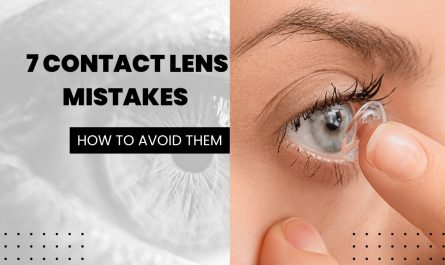
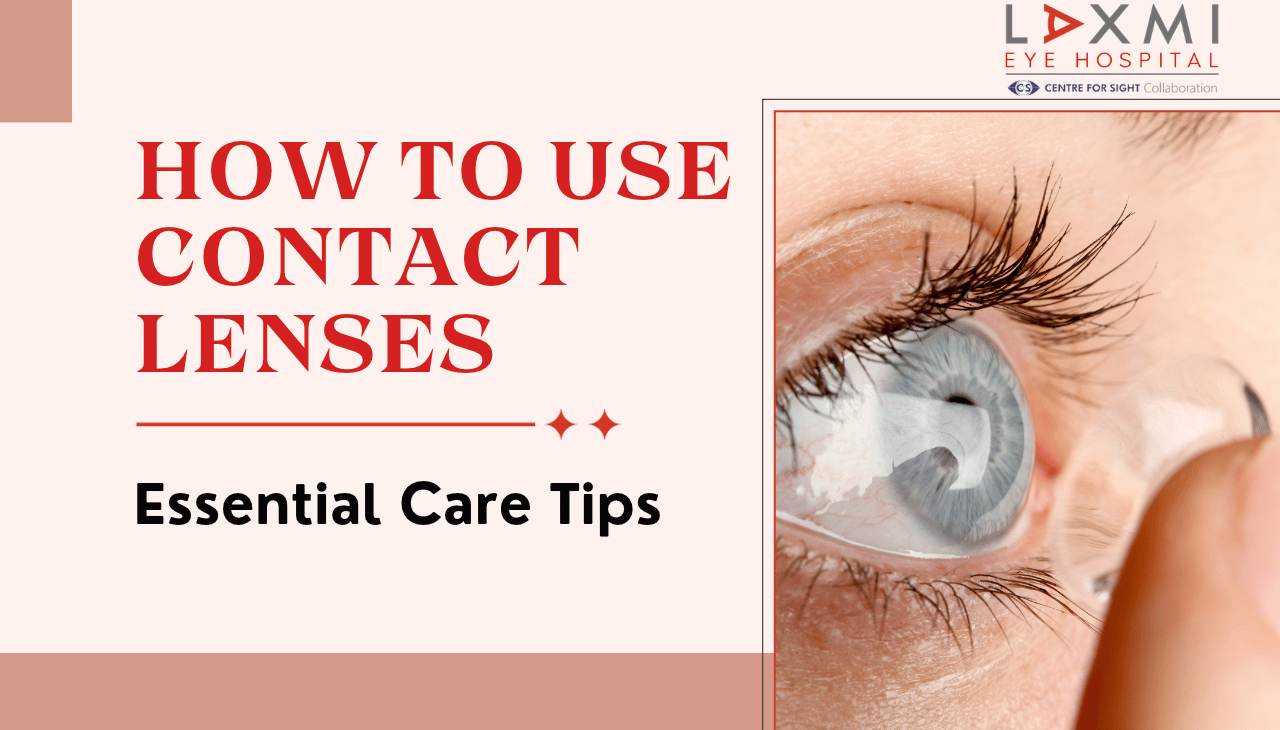
Handling contact lenses becomes easier with practice. But rushing through the process can introduce germs or cause accidental scratches.
Before Putting Your Lenses In
- Wash your hands with soap and running water.
- Dry them with a clean, lint-free towel.
- Check each lens for damage or deposits.
- Make sure the lens is facing the correct way.
- Insert it gently using your fingertip.
The Makeup Rule
Lenses in before makeup. Lenses out before removing makeup.
This reduces the chance of mascara, eyeliner, and makeup remover getting onto your lenses.
Avoid applying eyeliner along the inner eyelid margin. Choose eye makeup that does not flake easily.
What About Long Fingernails?
Long or acrylic nails can make lens removal difficult.
Use the soft pads of your fingers rather than your nail tips. Keep your nails away from the eye surface to avoid scratches.
What If Your Contact Lens Gets Stuck?
Do not panic or pull forcefully.
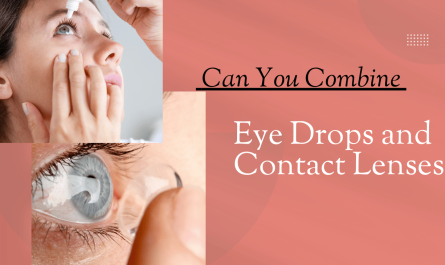
Try blinking and using contact lens-compatible lubricating drops. If the lens remains stuck or your eye becomes painful, seek professional help.
At Laxmi Eye clinic, patients seeking contact lens guidance should discuss handling difficulties, recurring irritation, and lens comfort during their eye examination.
3. Contact Lens Cleaning: What to Do and What to Avoid
A contact lens case filled with yesterday’s solution may look harmless. But old solution can become contaminated and may not disinfect your lenses properly.
Contact Lens Care: DO vs. DON’T
| DO | DON’T |
|---|---|
| Use fresh recommended disinfecting solution | Reuse yesterday’s solution |
| Clean reusable lenses as instructed | Rinse lenses with tap water |
| Wash and dry your hands before handling | Use saliva to wet lenses |
| Replace your lens case regularly | Store lenses in plain water |
| Follow the prescribed replacement schedule | Wear damaged or expired lenses |
Why Tap Water Is Dangerous
Tap water may contain Acanthamoeba, a microscopic organism that can cause Acanthamoeba keratitis.
This uncommon infection can be difficult to treat and may cause severe pain, corneal damage, and vision loss.
Never expose your contact lenses or storage case to tap water.
Stop Topping Off Your Lens Solution
Adding fresh solution to yesterday’s leftover liquid does not make it safe.
Empty the case completely, clean it according to the manufacturer’s instructions, and use fresh disinfecting solution each time.
Replace your storage case at least every three months.
Daily disposable lenses require no storage or cleaning. Discard them after removal.
4. Four Contact Lens Habits That Can Damage Your Eyes
The Late-Night Sleeping Mistake
You return home tired and fall asleep without removing your lenses.
Even a short nap in lenses can increase infection risk. Unless your eye specialist has prescribed overnight wear, remove your lenses before sleeping.
The Shower and Swimming Mistake
Shower water, swimming pools, and hot tubs can expose lenses to microorganisms.
Remove your lenses before entering water. Prescription swimming goggles are a safer option for people who need vision correction while swimming.
The One-More-Day Mistake
Monthly lenses are not designed to last indefinitely.
Follow the replacement schedule given by your eye care professional, even when your lenses still feel comfortable.
The Sharing Mistake
Never borrow someone else’s contact lenses, including coloured cosmetic lenses.
Lenses require individual fitting. Sharing them can transfer microorganisms and cause eye injuries.
5. How to Prevent Dry Eyes While Wearing Contact Lenses
Contact lens discomfort often becomes more noticeable during long hours of screen use.
When you focus on a screen, you tend to blink less frequently and sometimes incompletely. This allows your tear film to break up faster, leaving your lenses feeling dry.
Try the 20-20-20 Rule
- 20 minutes: Take a break from your screen.
- 20 feet: Look at something approximately 20 feet away.
- 20 seconds: Keep looking into the distance for at least 20 seconds.
This habit can help reduce screen-related eye strain. Remember to blink fully during screen use.
Choose Eye Drops Carefully
Use lubricating drops specifically approved for contact lenses.
Avoid relying on redness-relief drops containing blood vessel-constricting ingredients. These products may temporarily reduce visible redness without treating the cause. Frequent use of some formulations can also lead to rebound redness.
Persistent dryness may require a change in lens material, wearing schedule, or treatment for dry eye disease.
6. Red Flag Symptom Checker: When to See an Eye Specialist
Contact lens-related infections can worsen quickly. Recognising warning signs matters.
Seek Urgent Eye Care If You Notice:
- Severe eye pain: Pain that persists or worsens after removing your lens.
- Strong light sensitivity: Difficulty keeping your eye open in normal lighting.
- Sudden blurred vision: A noticeable change in vision.
- White or grey corneal spot: A visible mark on the clear front surface of your eye.
- Persistent redness: Redness accompanied by pain, discharge, or discomfort.
- Excessive discharge: Unusual watering or thick eye discharge.
What should you do immediately?
Remove your contact lenses, stop wearing them, and arrange an urgent eye examination. Keep the lens and case for your doctor if possible.
Do not restart contact lens wear until your eye specialist confirms it is safe.
Contact Lens Consultation With Dr. Seema Bhosale
If you experience repeated discomfort, difficulty wearing lenses, or changes in vision, schedule an eye examination with Dr. Seema Bhosale.
Contact the clinic through its official appointment channel, explain your symptoms, and bring your current lenses, lens case, and cleaning solution to the consultation.
Frequently Asked Questions About Contact Lens Safety
1. Can I wear contact lenses every day?
Yes. Daily wear can be safe when your lenses fit properly and you follow the prescribed wearing and replacement schedule. Your eye specialist can advise you based on your eye health.
2. Can contact lenses cause permanent vision loss?
In rare cases, serious infections such as microbial keratitis can cause corneal scarring and permanent vision loss. Prompt treatment reduces the risk of complications.
3. Can I wash contact lenses with drinking water?
No. Even filtered or bottled drinking water is not a safe substitute for contact lens disinfecting solution.
4. How often should I replace my contact lens case?
Replace your case at least every three months, or sooner if damaged. Clean and air-dry it according to the manufacturer’s instructions after each use.
5. Why do my eyes become red after wearing contact lenses?
Redness may result from dryness, poor lens fit, allergies, overwearing, or infection. Remove your lenses and seek prompt care if redness persists or occurs with pain or blurred vision.
6. Are daily disposable contact lenses safer?
Daily disposable lenses eliminate the need for reusable lens cleaning and storage, reducing some hygiene-related risks. They still require clean hands and correct wearing habits.
7. Can I use contact lenses if I have dry eyes?
Some people with dry eyes can wear contact lenses comfortably after proper assessment. Your eye specialist may recommend suitable lens materials, lubricating drops, or dry eye treatment.
Protect Your Vision With Better Contact Lens Habits
Safe contact lens use does not require a complicated routine. Clean hands, fresh disinfecting solution, proper lens replacement, and avoiding water exposure can reduce your risk of eye problems. Never ignore persistent redness, pain, or sudden vision changes. Regular eye examinations help ensure your lenses remain suitable for your eyes. For contact lens-related concerns, consult Dr. Seema Bhosale for professional guidance and personalised care. Protecting your vision starts with the habits you practise every day.