Pterygium Surgery in Mumbai
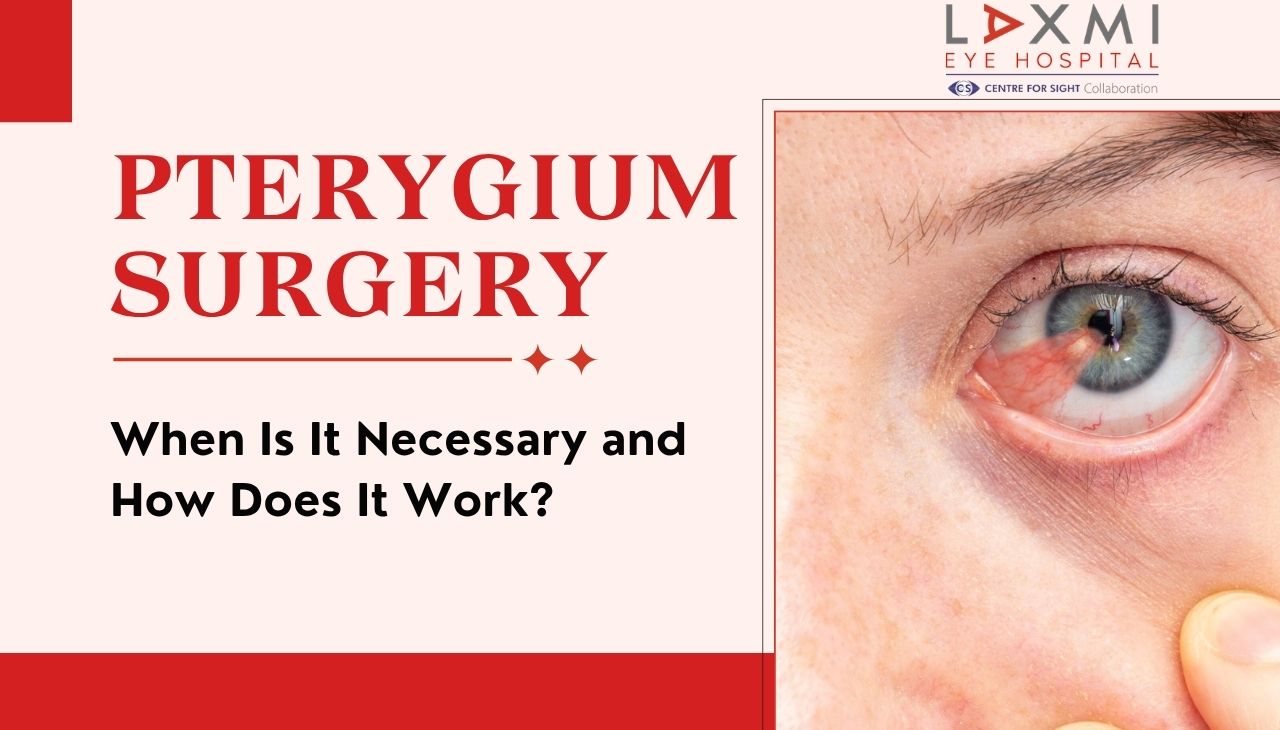
A pterygium is a growth of tissue on the surface of the eye that may remain harmless in early stages but can become a concern when it starts affecting vision, causing persistent irritation, or reaching the cornea. Many patients are unsure whether they should simply monitor it or consider surgery.
Pterygium removal is not required in every case. Surgery is usually considered when the growth progresses toward the visual axis, causes corneal distortion, or does not improve with medical treatment.
Understanding the warning signs, surgical options, recurrence risk, and recovery process can help you make an informed decision with your eye specialist.
When Does a Pterygium Need Surgery?
A common question patients ask is, “How do I know if my pterygium has reached the stage where surgery is needed?”
The decision depends on the size of the growth, its effect on the cornea, symptoms, and how quickly it is progressing.
An eye examination helps an ophthalmologist measure the extent of growth and check whether it is affecting your vision.
Surgery may be recommended in the following situations:
1. The Pterygium Is Growing Toward the Visual Axis
The visual axis is the central area of the cornea that allows light to enter the eye and helps you see clearly.
When a pterygium grows several millimeters onto the cornea and approaches the pupil area, it can interfere with vision.
Delaying treatment in advanced cases may increase the risk of:
- Persistent blurred vision
- Corneal scarring
- Difficulty achieving clear vision even with glasses
Early evaluation helps prevent the growth from reaching a stage where it causes permanent changes.
2. It Causes Corneal Distortion and Astigmatism
A pterygium does not only grow over the surface of the eye. As it enlarges, it can pull on the cornea and change its natural curve.
This may lead to irregular astigmatism, where light does not focus properly on the retina.
You may notice:
- Blurred or distorted vision
- Difficulty reading clearly
- Frequent changes in glasses prescription
Corneal topography may be performed to assess these changes and determine whether surgical removal can help protect vision.
Patients looking for advanced evaluation of such conditions can consult an experienced Ophthalmologist in Mumbai who can assess the cornea and recommend suitable treatment options.
3. Persistent Redness, Irritation, or Dryness
Some pterygium cases remain small but cause ongoing discomfort.
Symptoms may include:
- Foreign body sensation
- Burning or itching
- Excess watering
- Recurrent redness
Artificial tears and prescribed eye drops may help control mild symptoms.
If irritation continues despite treatment, surgery may be considered to improve comfort and prevent further progression.
4. Restricted Eye Movement in Advanced Cases
Large, untreated pterygium cases are uncommon but may extend significantly across the eye surface.
In rare situations, the tissue can affect normal eye movement and may cause discomfort while moving the eyes.
Such advanced cases require detailed evaluation and timely treatment.
Modern Pterygium Surgery: How Is It Removed?
Many patients worry about pterygium surgery because they fear pain, long recovery, or recurrence.
Modern techniques have improved outcomes compared with older methods.
The procedure is usually performed as an outpatient surgery under local anaesthesia. It generally takes around 30 to 45 minutes.
During surgery:
- The abnormal pterygium tissue is carefully removed
- The affected surface is cleaned
- A healthy conjunctival tissue graft is placed over the area
The most commonly preferred technique today is conjunctival autografting.
Why Is Conjunctival Autografting Preferred?
Earlier techniques, such as bare sclera excision, involved removing the growth and leaving the area uncovered.
Although simple, this method has a higher chance of recurrence.
Conjunctival autografting involves placing healthy tissue taken from another part of the patient’s own eye surface over the surgical area.
This helps:
- Improve healing
- Reduce recurrence chances
- Provide better cosmetic results
Some complex or recurrent cases may require additional approaches such as amniotic membrane grafts or the use of medications like Mitomycin C under specialist supervision.
Discussing the right surgical method with a specialised eye centre such as Laxmi Eye Clinic can help determine the most suitable option based on your eye condition.
Can Pterygium Come Back After Surgery?
Recurrence is one of the biggest concerns among patients considering surgery.
Yes, a pterygium can return after removal, but the chances depend on factors such as:
- Surgical technique used
- Individual healing response
- Continued UV exposure
- Severity of the original growth
Bare sclera techniques have historically shown higher recurrence rates.
Modern procedures using conjunctival autografts have significantly reduced recurrence compared with older methods.
Following post-operative instructions and protecting your eyes from ultraviolet rays can further reduce risk.
What Should You Expect After Pterygium Surgery?
Recovery is usually gradual, and most patients return to normal activities within a short period.
After surgery, you may experience:
- Mild redness
- Scratchy sensation
- Watery eyes
- Light sensitivity
These symptoms usually improve as the eye heals.
Your doctor may prescribe:
- Antibiotic eye drops
- Anti-inflammatory drops
- Lubricating eye drops
During recovery:
- Avoid rubbing your eyes
- Wear UV-protective sunglasses outdoors
- Avoid swimming for the recommended period
- Protect your eyes from dust and smoke
Most patients can return to desk work within a few days, though complete healing may take several weeks.
When Is Non-Surgical Treatment Enough?
Not every pterygium requires surgery.
Small, stable growths that do not affect vision can often be monitored through regular eye examinations.
Treatment may include:
- Artificial tears for dryness
- Lubricating eye drops
- Managing environmental triggers
- Wearing sunglasses with UV protection
Regular monitoring is important because a pterygium can slowly change over time.
FAQs About Pterygium Surgery
1. Is pterygium surgery painful?
Pterygium surgery is performed under local anaesthesia, so you should not feel pain during the procedure. Mild irritation or discomfort is common during recovery.
2. How do I know if my pterygium is getting worse?
Increasing redness, visible growth toward the pupil, blurred vision, or frequent irritation may indicate progression. An eye examination can confirm whether treatment is needed.
3. Can pterygium affect eyesight permanently?
If a large pterygium reaches the central cornea, it may cause lasting corneal changes. Early diagnosis and timely treatment help reduce this risk.
4. How long does recovery take after pterygium surgery?
Most people resume daily activities within a few days. Complete recovery depends on healing and follow-up care.
5. Will pterygium come back after surgery?
Recurrence is possible, but modern techniques like conjunctival autografting have reduced the chances compared with older surgical methods.
6. Can eye drops remove pterygium?
Eye drops can reduce irritation and dryness but cannot remove the actual tissue growth.
7. Who should I consult for pterygium treatment?
An eye specialist experienced in corneal conditions can evaluate the growth and suggest the right approach. Specialists providing Cornea Disease Treatment in Mumbai can help diagnose and manage conditions affecting the eye surface.
Conclusion
Pterygium surgery is considered when the growth threatens vision, causes corneal distortion, creates persistent discomfort, or continues to progress despite conservative care. A detailed examination helps determine whether monitoring or surgical removal is the right choice for you.
Do not ignore changes such as increasing redness, blurred vision, or a growing tissue patch on your eye. Consulting a qualified eye specialist at the right time can help protect your corneal health and maintain clear vision for the future.