Retinal Laser Surgery
Your retina plays a vital role in helping you see clearly. Any damage to this delicate layer at the back of your eye can affect your vision and may lead to serious complications if left untreated. Retinal laser surgery is a minimally invasive eye procedure that uses focused laser energy to treat retinal problems, prevent further damage, and preserve eyesight.
Many patients feel nervous when they hear the word “laser surgery.” However, understanding the procedure, its purpose, and recovery process can help you feel more confident and prepared.
What Is Retinal Laser Surgery?
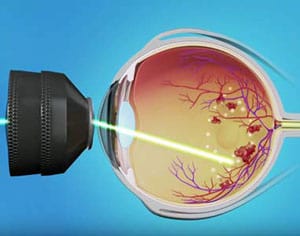
Retinal laser surgery is an advanced eye treatment that uses controlled laser beams to target specific areas of the retina. The laser creates tiny therapeutic burns that form scar tissue, helping seal retinal tears, reduce abnormal blood vessel leakage, and prevent further retinal damage.
Unlike traditional surgery, retinal laser treatment usually does not require cuts or stitches and is commonly performed as an outpatient procedure. A trusted eye care centre such as Laxmi Eye Clinic focuses on advanced diagnostic evaluation and personalized treatment approaches for various retinal conditions.
Understanding the Retina and Its Role in Vision
The retina is a thin, light-sensitive tissue located at the back of your eye. It works similar to the film inside a camera by capturing light and converting it into signals that travel to the brain through the optic nerve.
A healthy retina is essential for clear vision. Conditions such as retinal tears, swelling, bleeding, or abnormal blood vessel growth can interfere with this process and may result in vision problems.
Why Is Retinal Laser Surgery Recommended?
An eye specialist may recommend retinal laser surgery to treat or prevent complications caused by several retinal conditions.
1. Diabetic Retinopathy
Diabetes can damage the small blood vessels in the retina. These damaged vessels may leak fluid or develop abnormal growth, affecting vision.
Laser treatment helps reduce abnormal blood vessel activity and controls leakage, preventing further retinal damage.
2. Retinal Tears
A retinal tear may occur when the vitreous gel inside the eye pulls on the retina. If untreated, fluid can pass through the tear and cause retinal detachment.
Laser therapy creates a protective barrier around the tear, helping secure the retina and reducing the risk of detachment.
3. Retinal Detachment
Retinal detachment occurs when the retina separates from its normal position. This condition can threaten vision if not treated quickly.
Laser treatment may be used to create sealing scars around affected areas and prevent the detachment from spreading.
4. Macular Edema
Macular edema occurs when fluid builds up in the macula, the central part of the retina responsible for sharp vision.
Laser therapy may help reduce fluid leakage and protect central vision in selected cases.
How Is Retinal Laser Surgery Performed?
Retinal laser surgery is usually performed at an eye clinic or hospital on an outpatient basis.
The procedure generally involves the following steps:
Step 1: Eye Preparation
Your doctor will use special eye drops to dilate your pupil and numb your eye. This allows a clear view of the retina while keeping you comfortable.
Step 2: Laser Treatment
You will sit comfortably with your chin placed on a support. A special contact lens may be placed on your eye to focus the laser accurately.
The doctor directs controlled laser pulses toward the affected retinal area. You may notice bright flashes of light during the procedure.
Step 3: Completion
The procedure usually takes around 10 to 30 minutes, depending on the condition being treated.
Most patients experience mild pressure or discomfort rather than pain.
Benefits of Retinal Laser Surgery
Retinal laser treatment offers several benefits, including:
- Helps prevent further retinal damage
- Reduces the risk of vision loss
- Treats retinal tears and abnormal blood vessels
- Minimally invasive procedure
- Usually performed without hospital admission
- Faster recovery compared with traditional surgery
Recovery After Retinal Laser Surgery
Recovery after retinal laser surgery is generally quick. Some temporary symptoms may occur, including:
- Blurred vision due to pupil-dilating drops
- Mild eye discomfort
- Increased sensitivity to light
- Temporary irritation
To support healing, follow these precautions:
- Avoid rubbing your eyes
- Use prescribed eye drops as advised
- Wear sunglasses if your eyes feel sensitive
- Follow your doctor’s instructions regarding activities
Most patients can return to normal daily activities within a short period.
When Should You Contact Your Eye Doctor?
Seek immediate medical attention if you experience:
- Sudden increase in floaters
- New flashes of light
- A dark curtain-like shadow in your vision
- Sudden worsening of eyesight
- Severe eye pain or redness
These symptoms may indicate retinal changes requiring urgent evaluation.
Is Retinal Laser Surgery Painful?
Most patients do not experience significant pain during retinal laser surgery. You may feel mild pressure, warmth, or a slight prickling sensation. Numbing eye drops help make the procedure comfortable.
Does Retinal Laser Surgery Restore Lost Vision?
Retinal laser surgery is mainly performed to prevent further vision loss and protect remaining eyesight. It may not always restore vision that has already been affected by retinal damage.
The outcome depends on factors such as:
- The retinal condition being treated
- Severity of damage
- Timing of treatment
- Overall eye health
How Many Retinal Laser Sessions Are Needed?
The number of sessions depends on your eye condition. Some patients may need only one treatment, while others may require multiple sessions for complete management.
Your eye specialist will create a treatment plan based on your retinal health.
Frequently Asked Questions About Retinal Laser Surgery
1. Is retinal laser surgery safe?
Yes, retinal laser surgery is considered a safe and commonly performed procedure when done by an experienced eye specialist.
2. How long does retinal laser surgery take?
Most procedures take approximately 10–30 minutes, depending on the complexity of treatment.
3. Can I go home after retinal laser surgery?
Yes. Retinal laser surgery is usually performed as an outpatient procedure, and patients can return home the same day.
4. Can I drive after retinal laser surgery?
It is recommended to arrange transportation because your vision may remain blurry temporarily due to pupil dilation.
5. How soon can I return to work?
Many patients can resume normal activities within a day. However, follow your doctor’s advice based on your condition and work requirements.
Conclusion
Retinal laser surgery is an effective treatment option that helps protect vision and manage several retinal conditions. Early diagnosis and timely treatment can significantly reduce the risk of permanent vision problems.
Regular eye examinations are especially important for people with diabetes, previous retinal problems, or a family history of eye diseases. If you notice symptoms like flashes of light, floaters, or sudden vision changes, consult an eye specialist promptly.
Protecting your eyesight today can help maintain clear vision for years to come.