Eye Swelling Causes
Eye swelling can start quietly — puffiness that won’t go away, discomfort around the eyelids, or sudden puffed eyes that make everyday life uncomfortable. While sometimes minor, eye swelling may be a sign of allergies, infections, or deeper eye health issues. Knowing the causes, symptoms, and when to seek professional help can make all the difference for your eyesight and comfort.
This blog will walk you through what eye swelling really is, why it happens, how it shows up, and practical steps to handle it. We’ll also include guidance on when to visit a specialist, like the experts at Laxmi Eye Hospital, for proper care.
Understanding Eye Swelling: What It Is
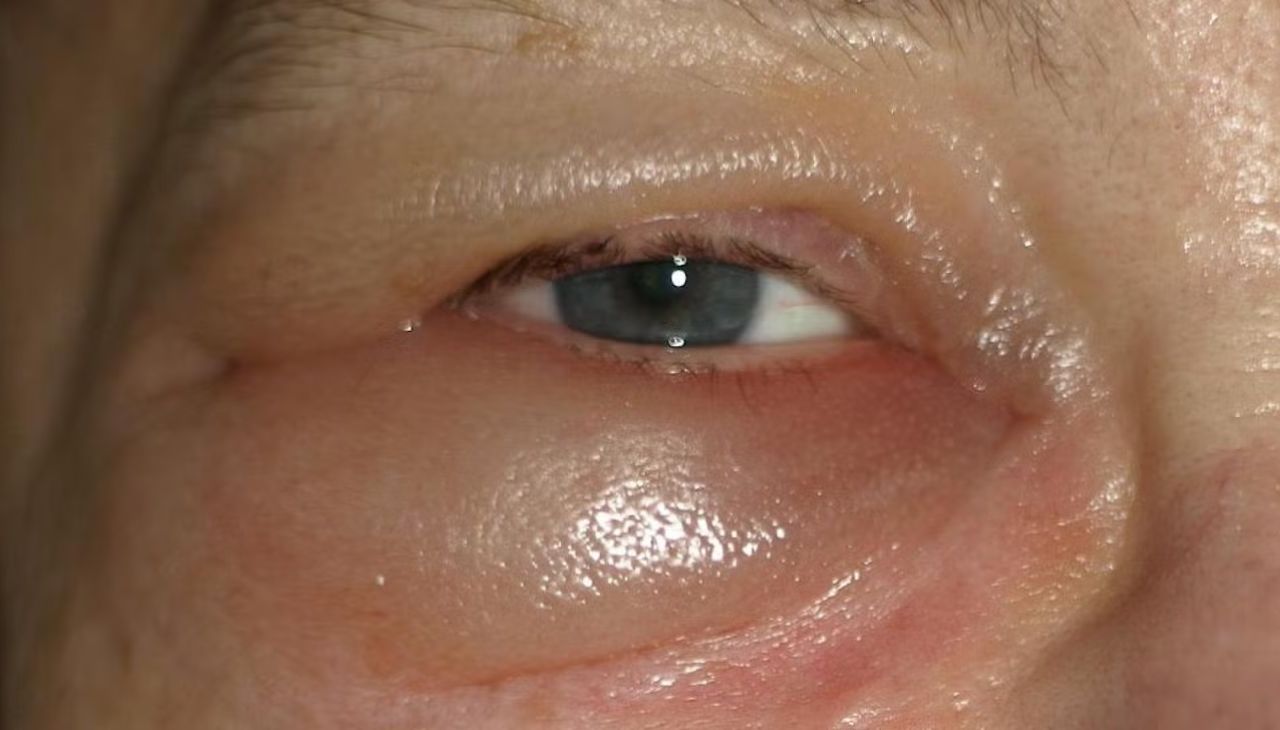
Eye swelling — also called periorbital edema — means fluid build‑up in or around the eyelids and soft tissues of the eye area. It can affect one or both eyes. The skin around the eyes is very thin, so even a small amount of inflammation or fluid retention becomes noticeable quickly.
Earliest signs may include:
- Puffiness or fullness around the eyelids
- Tight or uncomfortable sensation
- Eyes that look “tired” or puffy even after rest
Swelling isn’t a disease itself — it’s a visible sign of something happening in your body. That could be simple irritation or, for a more serious eye condition, it’s best to consult specialists.
Common Causes & Key Symptoms
1. Allergic Reactions
Allergens like dust, pollen, smoke, or pet dander often trigger swelling.
Symptoms:
- Itchy eyes
- Redness
- Excessive tearing
- Puffy under‑eyes
Allergy‑related swelling is common in Pune during dustier months or high pollen seasons.
2. Infections
Conjunctivitis (pink eye), styes, or eyelid infections cause noticeable swelling.
Symptoms:
- Eye pain or tenderness
- Yellow or green discharge
- Crusting on eyelashes
- Redness spreading beyond eyelid area
Eye infections need prompt care to prevent spreading or vision problems.
3. Lifestyle & Daily Habits
Lack of sleep, excess salt, crying, or rubbing the eyes can cause temporary puffiness.
Symptoms:
- Mild, soft swelling
- Worse in the morning
- No pain or discharge
Lifestyle‑linked swelling usually improves with rest and better habits.
4. Underlying Medical Conditions
Thyroid disorders, kidney issues, or fluid retention disorders may show up as persistent eye swelling.
Symptoms:
- Long‑lasting puffiness
- Accompanying fatigue
- Body swelling elsewhere
These need medical evaluation beyond eye care alone.
Effective Treatment Options
Simple Self‑Care
- Cold compress: Apply for 10–15 minutes, 2–3 times a day
- Hydration: Drink enough water to reduce fluid retention
- Lower salt intake: Helps reduce puffiness
- Rest: Proper sleep reduces morning eye swelling
These steps work for mild, lifestyle related puffiness.
Medication & Care
- Allergy antihistamines: For allergy‑related swelling
- Antibiotic or anti‑inflammatory eye drops: As prescribed
- Avoid rubbing: Rubbing can worsen irritation and swelling
Professional Treatment
If swelling doesn’t improve, becomes painful, or affects vision, seek eye specialist care immediately.
Tips from Eye Specialists
- Avoid touching or rubbing your eyes with dirty hands.
- Replace cosmetics every 3–6 months, especially mascara or eyeliner.
- Wear sunglasses outdoors to reduce allergen exposure.
- Note if swelling is worse in the morning or after certain foods — this pattern helps diagnosis.
Book an appointment: Visit the official Laxmi Eye Hospital website or call their appointment line for your nearest center in Pune or Maharashtra.
FAQs
1. Is eye swelling dangerous?
Not always — but persistent or painful swelling needs a doctor’s evaluation.
2. Why do my eyes swell after sleep?
Fluid can collect overnight. Reducing salt and improving sleep helps.
3. Can allergies cause both eyes to swell?
Yes. Allergy‑related swelling is often bilateral (both eyes).
4. Should I use warm or cold compress?
Cold compress works well for puffiness. Warm compress helps if a stye or blocked gland is present.
5. When should I see an eye doctor?
If swelling lasts more than 48 hours, is painful, or affects vision.
Eye swelling can be simple or serious. Knowing the causes and symptoms makes it easier to take action. If your swelling persists or you notice pain or vision changes, getting expert care at a trusted eye care center like Laxmi Eye Hospital ensures the right diagnosis and treatment.