Blurry vision can be worrying, especially when it appears suddenly or keeps returning. Many people ignore the signs, hoping it will clear on its own. In reality, blurred sight can signal changes inside the eye or an underlying health condition. Knowing what leads to unclear vision helps you take timely steps for eye care. This blog explains the common medical causes of blurry vision, symptoms to watch for, and when to seek help from an eye specialist.
What is Blurry Vision?

Blurry vision means objects no longer appear sharp. Letters may look fuzzy, distant objects seem unclear, or you may feel the need to rub your eyes often. It may affect one or both eyes. Blur may be mild in the beginning and gradually increase or appear suddenly as a medical emergency.
The reasons vary from common refractive errors to more serious issues like cataract or retina disease. Early diagnosis can protect sight and prevent future damage.
Refractive Errors
Refractive errors are one of the top reasons for blurry vision. The shape of the eye changes and light does not focus properly on the retina.
Types include:
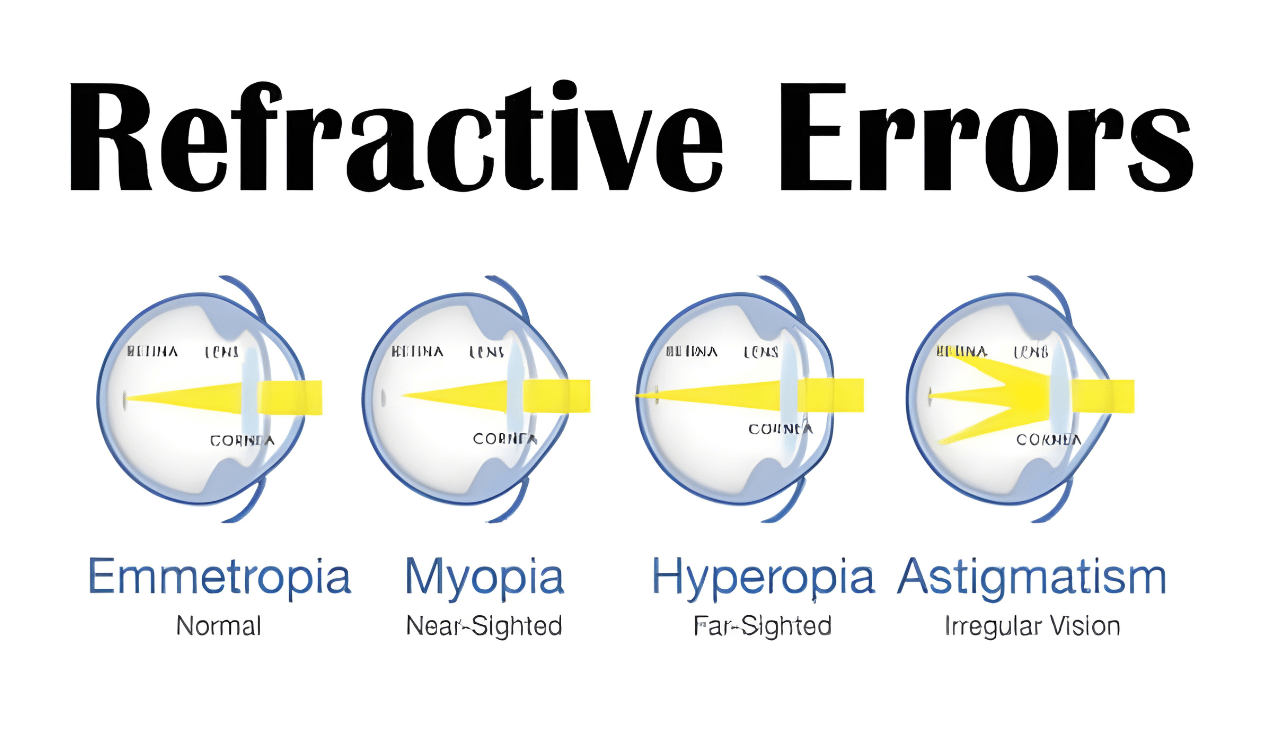
• Myopia (nearsightedness):
Distant objects appear unclear. You can see nearby things clearly.
• Hyperopia (farsightedness):
Close work becomes difficult. Reading strain is common.
• Astigmatism:
Vision is distorted at all distances due to uneven curvature of the cornea.
• Presbyopia:
Begins after 40 years. You need to hold reading material farther away.
Symptoms you may notice:
• Eye strain while reading
• Headaches
• Squinting to see clearly
Spectacles, contact lenses, or LASIK can correct refractive errors.
Cataract
Cataract is a natural aging change where the eye lens becomes cloudy. This blocks light from entering clearly.
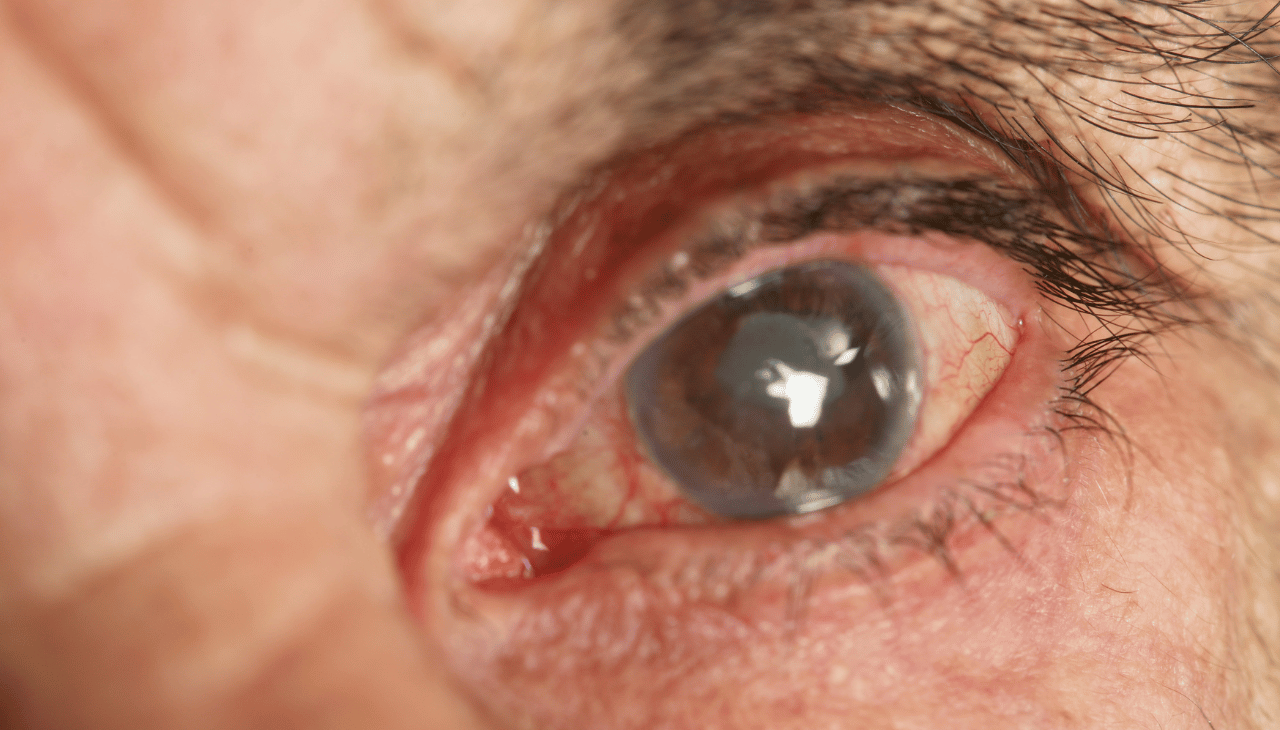
Common signs:
• Foggy or dull vision
• Increased glare while driving at night
• Faded color perception
• Frequent spectacle power changes
Cataract progresses slowly. Early stages may not need surgery, but once it affects daily activities, surgical lens replacement offers clarity again.
Dry Eyes
The tear film protects the eyes and keeps them moist. When tears reduce in quantity or quality, the eyes feel dry and vision appears smudged.
You may feel:
• Burning sensation
• Redness
• Fluctuating vision
• Foreign body feeling
Hours of screen exposure, air conditioning, and age contribute to dryness. Tear lubricants, lifestyle changes, and medical evaluation bring relief.
Glaucoma
Glaucoma damages the optic nerve due to increased eye pressure. It is often silent until advanced.
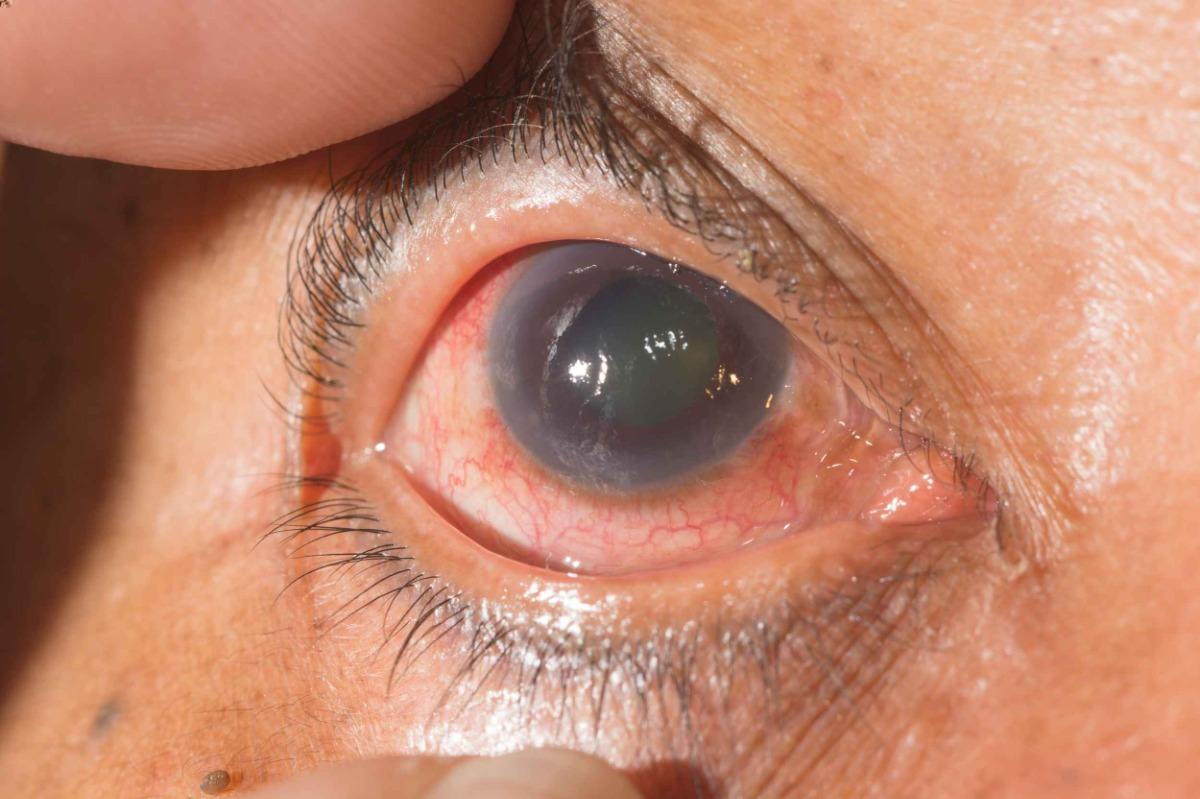
Warning signs:
• Gradual loss of peripheral vision
• Halos around lights
• Blurry or patchy vision
Regular eye pressure tests can detect glaucoma early. Treatment prevents further damage.
Diabetes and Diabetic Retinopathy
Uncontrolled sugar levels damage blood vessels in the retina. This affects clarity of sight over time.
Indicators:
• Blurry or fluctuating sight
• Dark spots
• Difficulty seeing at night
People with diabetes must schedule yearly retina checkups. Early treatment like laser or injections preserves vision.
Age-related Macular Degeneration (AMD)
The macula helps with central vision. Age-related changes can damage it, affecting tasks like reading and recognizing faces.
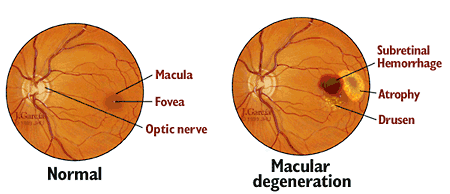
What to look for:
• Blurry central vision
• Straight lines appearing wavy
• Black or blank spot in the center
Early detection and lifestyle changes slow progression.
Eye Infection or Allergy
Bacterial and viral infections cause redness, watering, and temporary blurring. Allergies trigger itchy eyes and swelling.
Symptoms:
• Sticky discharge
• Sensitivity to light
• Burning sensation
Timely treatment prevents complications.
Migraine and Neurological Causes
Some people experience visual aura before headaches. Temporary blurring, flashes of light, or zigzag patterns may appear.
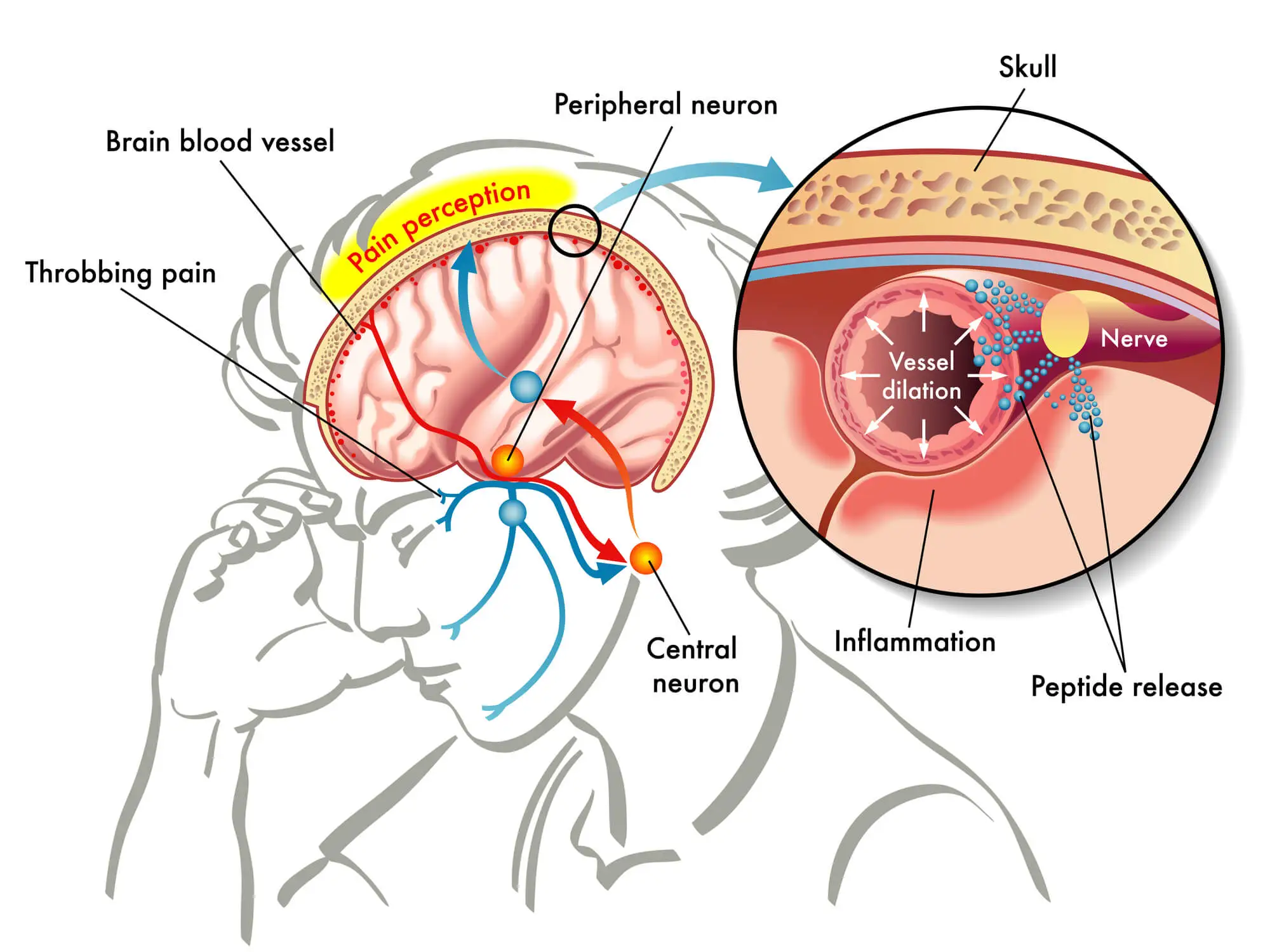
Blur also links to:
• Stroke
• Optic neuritis
• Brain-related conditions
Sudden severe blurring with headaches calls for urgent care.
When Should You Visit an Eye Specialist?
Seek help when:
• Blurry vision appears suddenly
• You see double or experience severe pain
• There’s trauma to the eye
• You are diabetic or hypertensive
• Vision does not improve with rest
Regular yearly checkups keep your eyes healthy and detect issues early.
Consultation and Eye Care
Laxmi Eye Hospital is among the leading eye care chains in Mumbai with over 30 years of trusted service. With experienced eye specialists and transparent treatment practices, the hospital offers complete diagnostic and advanced eye care solutions across Panvel, Kharghar, Kamothe, and Dombivli. The institute is known for its reputed cataract surgical training programs like SICS and Phacoemulsification, along with fellowship training for ophthalmologists for more than 25 years. Services include Specs Removal LASIK, Cataract Surgery, Glaucoma care, Retina and Diabetic Eye treatment, Cornea Clinic, Eye Donation guidance, and Pediatric Ophthalmology, helping patients receive comprehensive care in one place. Appointments can be booked at any of their branches located in Dombivli, Kharghar, Panvel, and Kamothe.
FAQs
1. Is blurry vision always serious?
Not always. It can be simple refractive error or dryness. If blur persists or appears suddenly, schedule an eye evaluation.
2. Can stress or lack of sleep blur vision?
Yes. Fatigue and strain make the eyes tired. Rest and hydration can improve clarity in such cases.
3. How often should I get my eyes checked?
Yearly screening is recommended. People with diabetes, glaucoma risk, or above 40 should be more regular.
4. Do phones and laptops cause blurry eyesight?
Long screen use reduces blinking and causes dryness. Following the 20-20-20 rule reduces strain.
5. Can blurry vision return after cataract surgery?
Vision stays clear for most people. If blurring reappears later, it may indicate posterior capsular haziness which is treatable.
Clear eyesight influences daily life, work, and confidence. Blurry vision should never be ignored or self-treated without guidance. Medical evaluation helps identify the exact reason and begin the right treatment. Healthy habits, yearly checkups, and timely care protect your sight for the long term. If you experience blurring or discomfort, reach out to an eye specialist at Laxmi Eye Hospital to regain clarity and protect your vision.