
SILK Procedure In Mumbai
New treatments and procedures are developing in the world of eye care to address various eye conditions more effectively. One such breakthrough is the SILK procedure, a modern, minimally invasive treatment gaining popularity for its efficiency and precision in treating various eye disorders. This blog will explore what the SILK procedure is, its benefits, common concerns it addresses, and how it stands out as a solution in the world of eye care. Whether you’re dealing with vision problems or simply curious about innovative treatments, this blog will provide valuable insights into the SILK procedure.
What is the SILK Procedure?
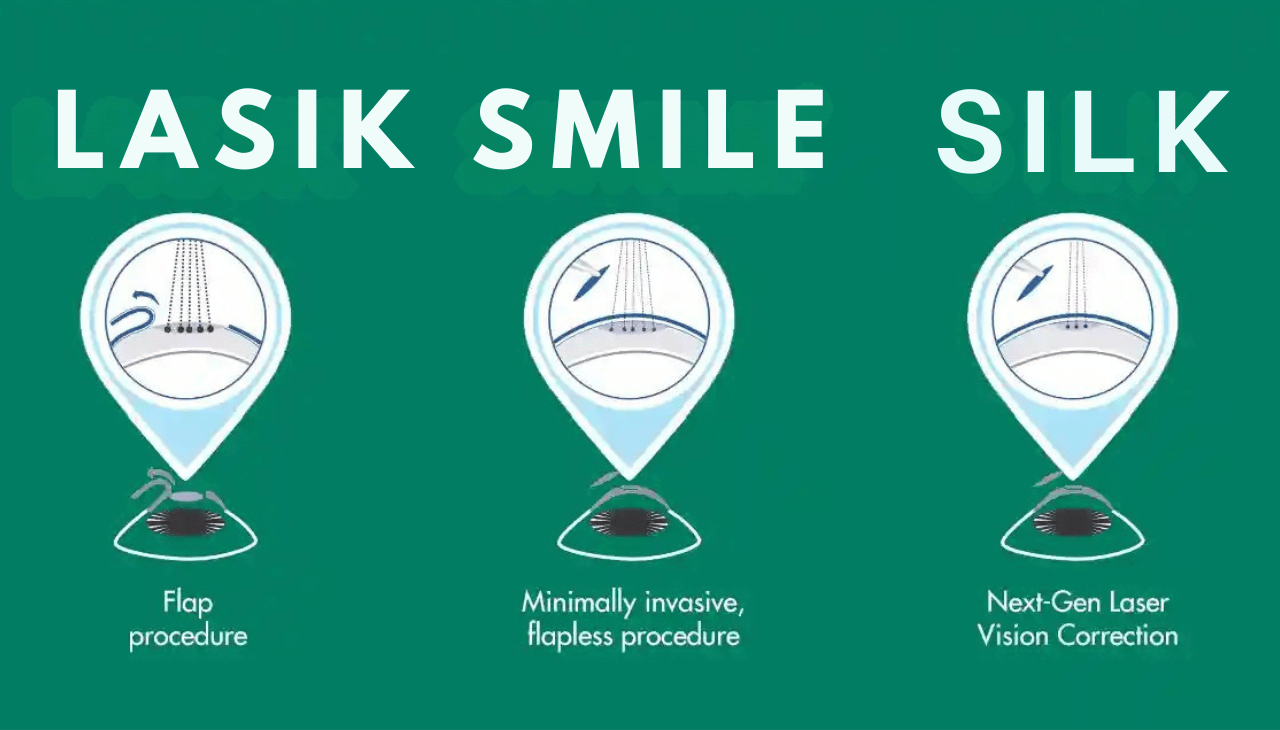
The SILK procedure is a cutting-edge treatment used primarily for refractive eye conditions, such as myopia (nearsightedness), hyperopia (farsightedness), and astigmatism. It reshapes the cornea using minimally invasive laser treatment, allowing light to focus more directly on the retina and improving vision without the need for glasses or contact lenses.
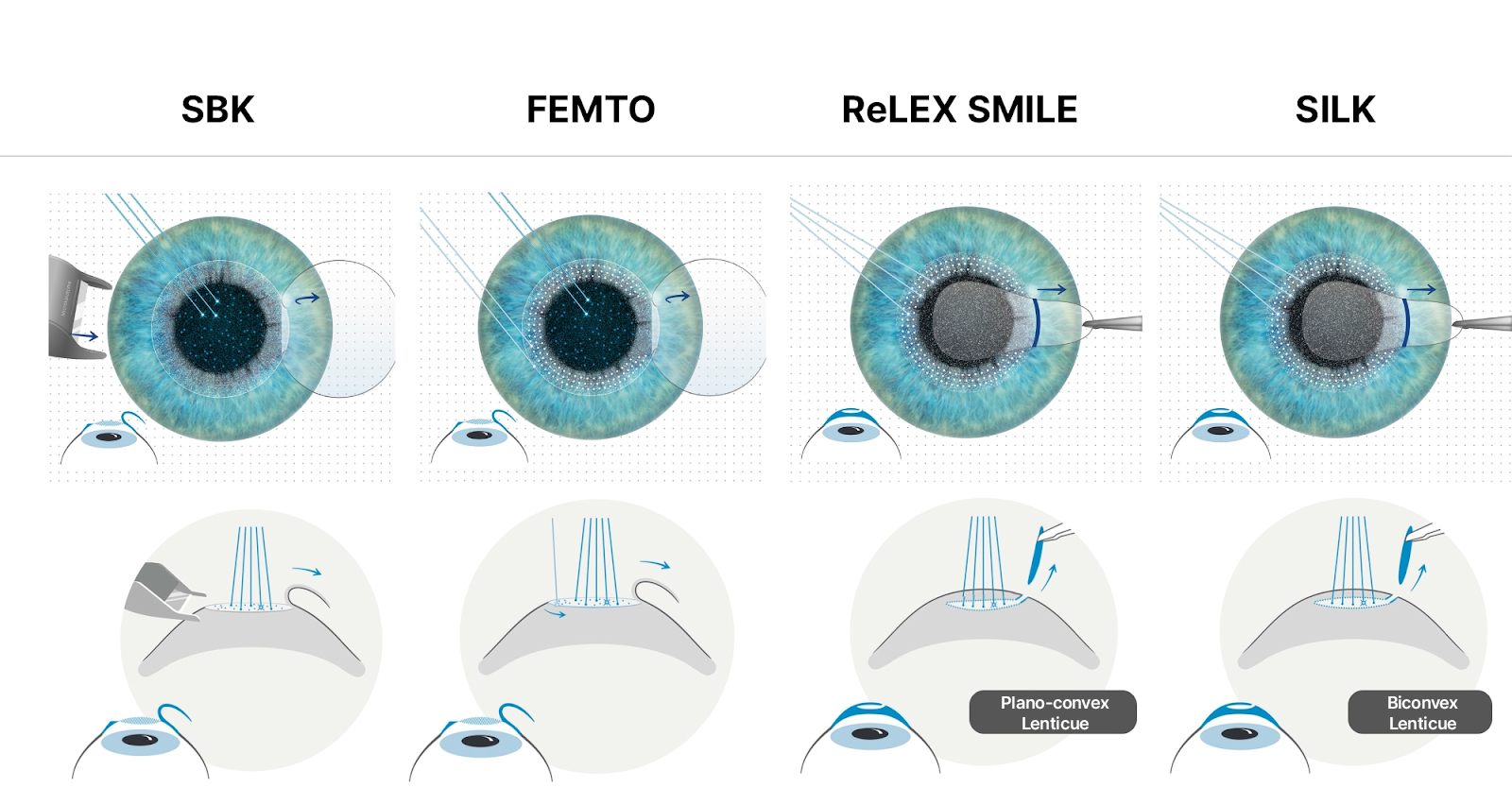
SILK stands for Superficial Layered Keratectomy, a highly advanced form of laser surgery. It uses femtosecond laser technology, a type of precision laser, to make micro-incisions on the corneal surface. This technique is designed to offer a more comfortable, faster, and more accurate solution than traditional methods like LASIK (Laser-Assisted in Situ Keratomileusis) or PRK (Photorefractive Keratectomy).
What sets the SILK procedure apart from other refractive surgeries is its precision and ability to target only the most superficial layer of the cornea, minimizing the risk of complications while enhancing healing time. The procedure typically takes only 10 to 15 minutes per eye, and patients recover faster compared to older methods.
Causes and Symptoms Related to Refractive Errors
Refractive errors occur when the shape of the eye prevents light from focusing directly on the retina, leading to blurred vision. The most common causes of refractive errors include:
- Genetics: Most refractive errors are hereditary. If your parents had issues with their vision, there’s a good chance you might experience them too.
- Age: As you age, the eye’s lens becomes less flexible, leading to presbyopia, a condition where near vision becomes blurry, often resulting in the need for reading glasses.
- Environmental Factors: Extended periods of digital device use, exposure to bright lights, and even environmental stress can contribute to vision problems.
- Health Conditions: Conditions like diabetes and high blood pressure can affect your vision by altering the blood vessels in the eyes or increasing the risk of conditions like diabetic retinopathy.
The most common symptoms of refractive errors include:
- Blurred vision
- Difficulty seeing clearly at night
- Eye strain or fatigue
- Headaches, especially after reading or using digital devices
Treatment Options: Why Choose the SILK Procedure?
For individuals experiencing refractive errors, there are several treatment options available. The SILK procedure stands out due to its unique combination of precision, safety, and minimal downtime. Here are a few reasons why the SILK procedure may be the right choice:
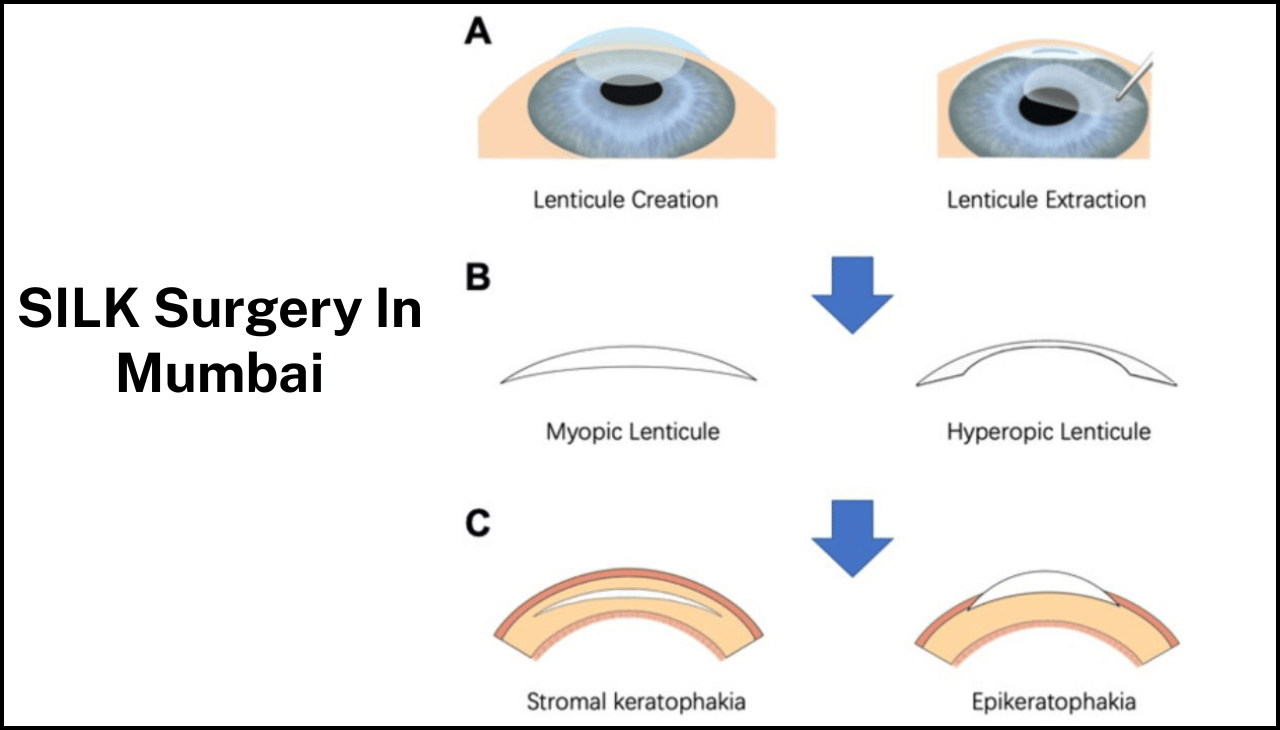
- Faster Recovery: Unlike traditional LASIK, which requires a flap to be created in the cornea, the SILK procedure works on the outer layer of the cornea without causing major disruptions. This means quicker recovery and less discomfort for the patient.
- Minimal Risk of Complications: Since the procedure only affects the most superficial layers of the cornea, it significantly reduces the risk of complications, such as dry eyes or infections, that are more common with deeper procedures like LASIK.
- Precision and Accuracy: The femtosecond laser technology used in the SILK procedure allows for highly accurate incisions, leading to better overall outcomes and less post-procedure discomfort. This technology can also be customized to the individual’s eye shape and condition.
- No Need for Glasses or Contacts: Many patients choose the SILK procedure to eliminate their reliance on glasses or contact lenses. By reshaping the cornea, the procedure allows light to enter the eye more accurately, improving vision and providing freedom from corrective eyewear.
Expert Insights and Tips for a Successful Recovery
While the SILK procedure is a relatively quick and low-risk treatment, there are still important steps to follow for a smooth recovery process. Here are some expert tips for ensuring the best possible outcome:
- Follow Post-Procedure Instructions: It’s important to follow the ophthalmologist’s aftercare instructions carefully. This includes using prescribed eye drops, avoiding rubbing your eyes, and keeping the eyes clean and free of irritants.
- Avoid Strain: For the first few days after the procedure, avoid strenuous activities, reading for extended periods, and excessive screen time. This helps in minimizing eye strain and allows for quicker healing.
- Attend Follow-Up Appointments: Regular follow-up visits to your eye care professional will ensure that your recovery is progressing as expected. These visits also allow the doctor to monitor your vision and make any necessary adjustments.
- Protect Your Eyes: Sunglasses are essential in protecting your eyes from UV rays during the recovery period. Always wear sunglasses when outdoors, especially on bright days.
Consultation with Laxmi Eye Hospital
Laxmi Eye Hospital, with over 30 years of excellence in eye care, is one of the largest chains of eye hospitals in Mumbai. Known for its experienced eye doctors and transparent approach to treatment, Laxmi Eye Hospital is the go-to destination for state-of-the-art eye care services in Panvel, Kharghar, Kamothe, and Dombivli.
At Laxmi Eye Hospital, you will receive top-notch services, including LASIK, Cataract Surgery, Glaucoma Treatment, Retina Care, and Pediatric Ophthalmology. The hospital’s renowned team of doctors is equipped to provide personalized treatment plans based on the latest technology and medical research, ensuring the best possible outcomes for every patient.
Laxmi Eye Hospital also boasts a strong track record of surgical excellence, with specialized training programs for ophthalmologists and a commitment to advancing the field of eye care.
To schedule a consultation with one of their experienced ophthalmologists, visit one of their four conveniently located clinics in Panvel, Kharghar, Kamothe, or Dombivli, or call to book your appointment today.
FAQs
- What is the SILK procedure?
The SILK procedure is a non-invasive laser treatment used to correct refractive errors like myopia, hyperopia, and astigmatism by reshaping the cornea. - How long does the SILK procedure take?
The procedure typically lasts between 10 to 15 minutes per eye, making it a quick and efficient treatment option. - Is the SILK procedure painful?
Most patients experience little to no discomfort during the procedure, as numbing eye drops are used prior to treatment. - How soon can I resume normal activities after the SILK procedure?
Recovery time is minimal, and most patients can return to their daily activities within a day or two. - Are there any risks associated with the SILK procedure?
As with any eye procedure, there are some risks, but the SILK procedure has a low risk of complications due to its precision and minimal invasiveness.
Conclusion
The SILK procedure is an advanced, minimally invasive solution for individuals seeking to correct refractive errors and improve their vision. With its precision, faster recovery time, and minimal risk of complications, it’s no wonder that more and more people are turning to this modern treatment for their eye care needs. If you’re considering the SILK procedure or any other eye treatment, it’s important to consult with a trusted, experienced eye care professional. At Laxmi Eye Hospital, you can rest assured that you’ll receive the highest level of care, backed by over three decades of expertise in the field.