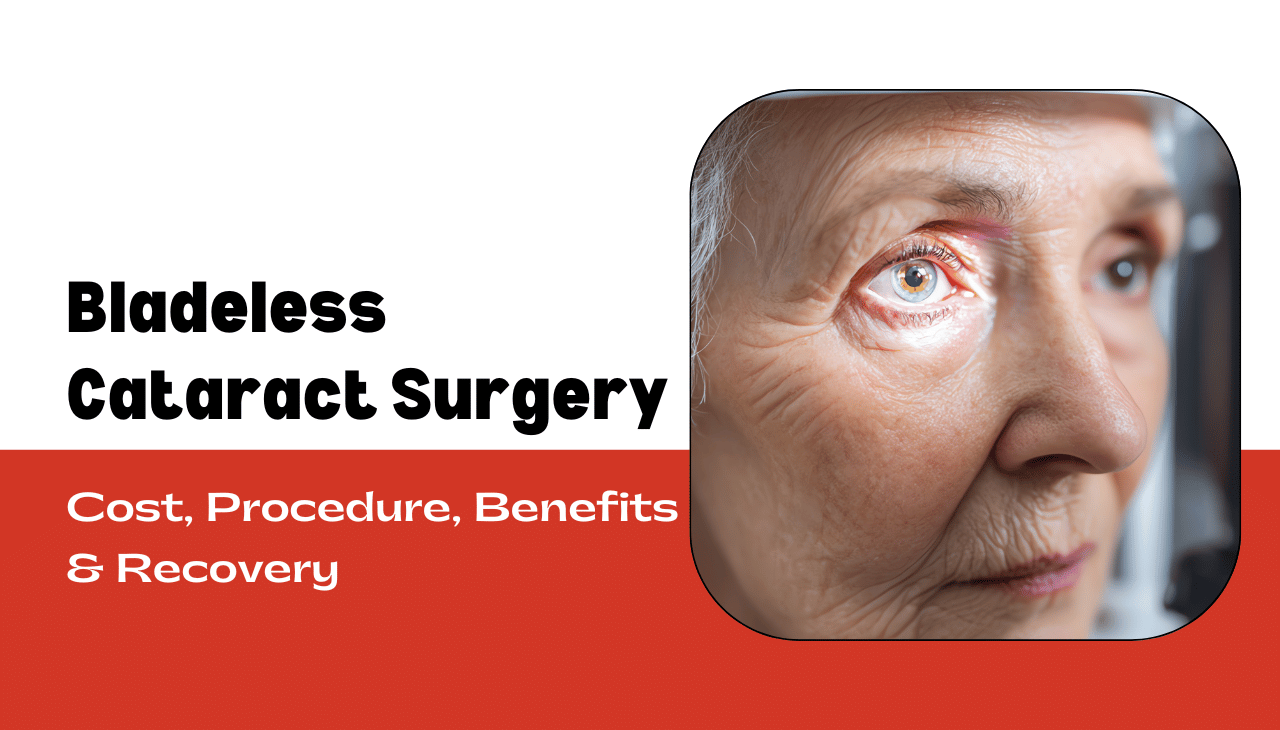
Bladeless Cataract Surgery
When vision starts to blur, colors look dim, and everyday activities like driving or reading become a struggle, the word cataract often comes into the picture. It is one of the most common age-related eye conditions, and for many, the thought of surgery brings fear and hesitation. But what if cataract treatment could be safer, faster, more precise, and nearly painless? That’s exactly what Bladeless Cataract Surgery offers. With advanced femtosecond laser technology, this modern approach has changed the way cataracts are treated, giving patients quicker recovery and clearer vision with minimal discomfort.
In this blog, we’ll explore what bladeless cataract surgery is, how it works, its benefits, cost, recovery timeline, and why choosing the right eye hospital makes all the difference. If you or a loved one is planning cataract surgery, this guide will help you make an informed and confident decision.
What is Bladeless Cataract Surgery?
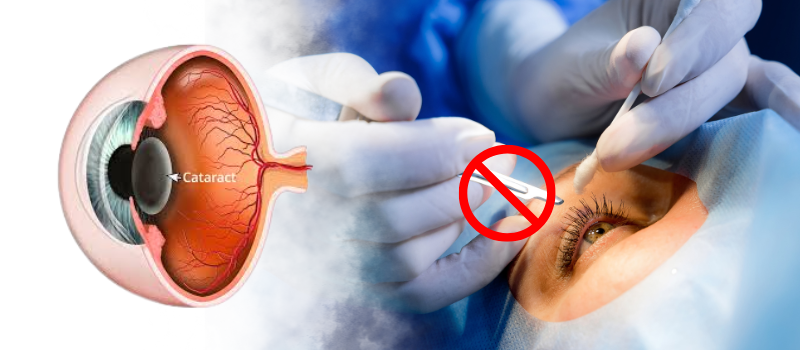
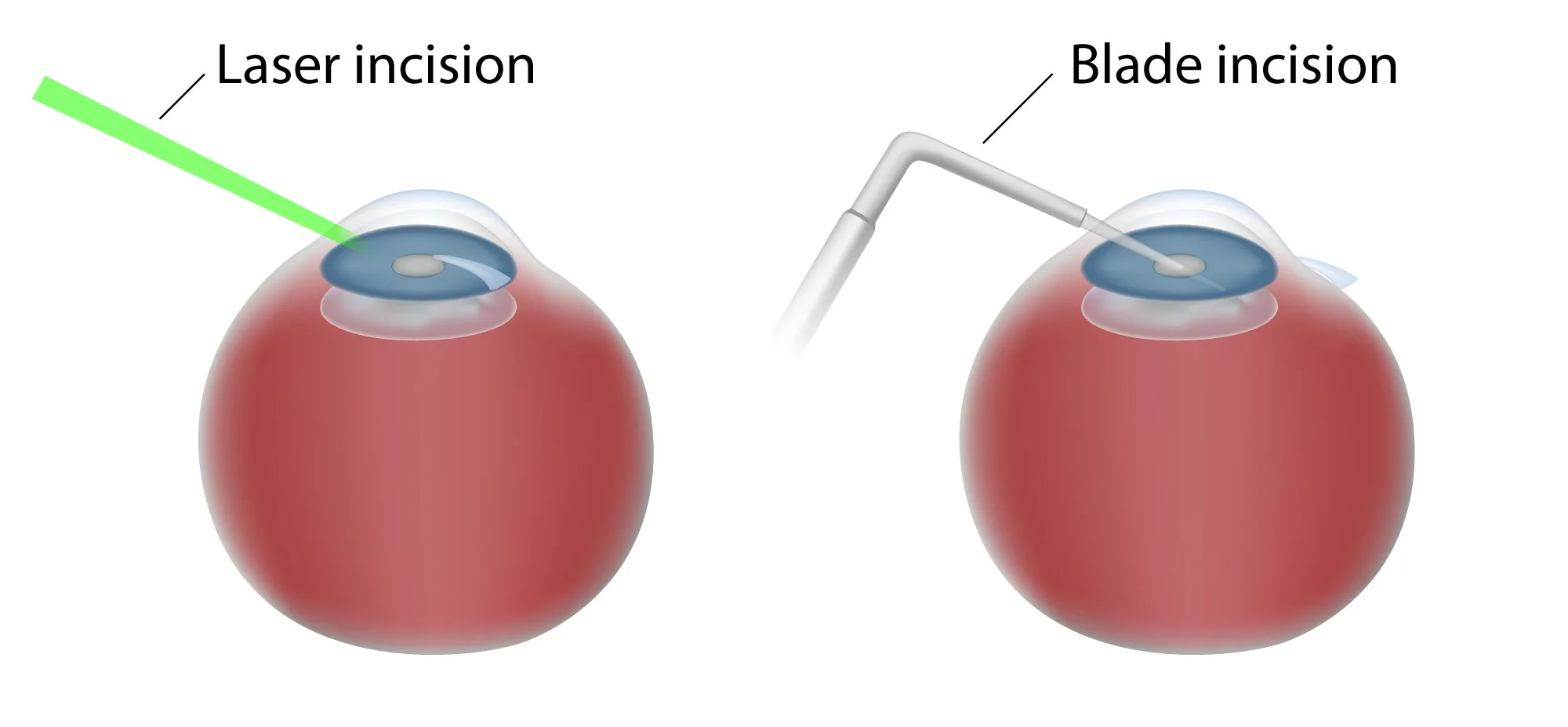
Bladeless Cataract Surgery, also known as Femtosecond Laser-Assisted Cataract Surgery (FLACS), is an advanced form of cataract removal where a laser replaces the traditional surgical blade. The laser creates precise incisions, softens the cataract, and helps in lens segmentation, making the entire procedure smoother and more controlled.
Unlike conventional surgery where a surgeon manually uses blades to create incisions, bladeless surgery uses computer-guided imaging and lasers, improving accuracy and reducing surgical risks.
In simple words:
It is cataract surgery done without blades, using laser precision for safer and clearer visual outcomes.
How Does Bladeless Cataract Surgery Work?
The surgery is quick and often completed within 10–20 minutes.
Here’s what happens during the process:
- Eye Scanning & Mapping:
A 3D imaging system maps the eye’s structure for precise planning. - Laser-Assisted Incisions:
The femtosecond laser creates accurate corneal incisions without a blade. - Capsulotomy:
Laser opens the eye lens capsule with high precision. - Cataract Fragmentation:
Laser softens the cloudy lens, reducing the need for ultrasound energy. - Lens Removal:
The fragmented cataract is gently removed. - Intraocular Lens (IOL) Implantation:
A clear artificial lens is inserted to restore vision.
Patients remain awake during surgery but feel no pain due to numbing eye drops. Most people can return home shortly after the procedure.
Who Should Consider Bladeless Cataract Surgery?
You may be a suitable candidate if:
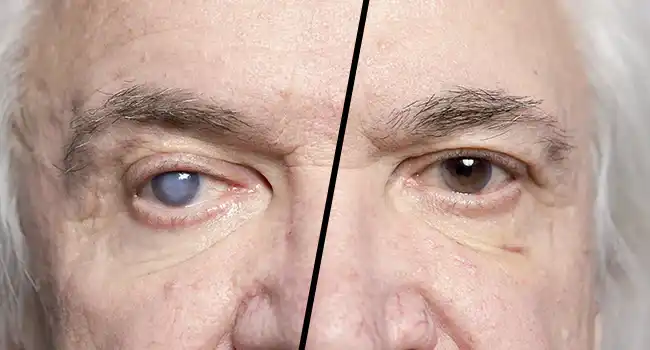
- You have foggy or blurred vision due to cataracts
- Bright lights cause glare or halos
- Reading or night driving feels difficult
- You want premium vision correction using modern technology
- You wish for faster recovery and better precision
Your ophthalmologist will examine your eye condition and suggest the best option based on age, cataract stage, and lifestyle needs.
Benefits of Bladeless Cataract Surgery
Bladeless cataract surgery offers several advantages over traditional cataract surgery:
- No surgical blade used
- More precise & safer incisions
- Less risk of complications
- Faster healing & recovery
- Reduced surgical time
- Better visual outcomes
- Improved accuracy while placing IOLs
- Ideal for premium lenses like multifocal & toric
Patients often notice clearer vision within 24–48 hours, and full recovery typically happens in 2–4 weeks, depending on individual healing.
Types of IOLs (Intraocular Lenses) Used
After cataract removal, an IOL is implanted to restore vision. Options include:
- Monofocal Lenses: Clear vision for distance
- Multifocal Lenses: Distance + near vision
- Toric Lenses: Corrects astigmatism
- EDOF Lenses (Extended Depth of Focus): Better range of vision
Your doctor will help you choose the best lens based on your vision goals.
What is the Cost of Bladeless Cataract Surgery in India?
The cost of bladeless cataract surgery may vary based on:
- Lens type selected
- Technology used
- Surgeon experience
- Hospital facilities
- Eye condition and customization required
On average, Bladeless Cataract Surgery cost in India ranges approximately from ₹45,000 to ₹1,20,000 per eye, depending on lens choice and hospital specialization.
Premium lenses may increase cost but significantly enhance visual comfort and independence from glasses.
Recovery After Bladeless Cataract Surgery
Recovery is generally smooth and quick.
Post-surgery care instructions:
- Use prescribed eye drops regularly
- Avoid rubbing or pressing the eye
- Wear protective glasses outdoors
- Avoid swimming, heavy lifting, or dusty areas for 1–2 weeks
- Follow all follow-up visits as advised
Most patients resume daily activities within a few days.
Why Choose Laxmi Eye Hospital for Bladeless Cataract Surgery?
Laxmi Eye Hospital is one of the largest and most trusted eye care chains in Mumbai, serving patients with excellence for over three decades. With a team of highly experienced ophthalmologists, transparent treatment approach, and best-in-class diagnostic technology, the hospital has become a leading name for quality and ethical eye care. Spread across Panvel, Kharghar, Kamothe and Dombivli, Laxmi Eye Institute offers complete eye care solutions including Cataract, LASIK Specs Removal (Bladeless LASIK, ICL/IPCL, Contoura Vision), Glaucoma, Retina Care, Cornea Clinic, Diabetic Eye Treatment and Pediatric Ophthalmology – all accessible under one roof at affordable cost. Known internationally for its cataract surgical training programs like SICS and Phacoemulsification, the institute has been shaping skilled ophthalmologists through specialty fellowships for the last 25 years, ensuring world-class eye care for every patient.
With advanced laser systems, premium IOL options, and expert surgeons, Laxmi Eye Hospital ensures every patient receives safe, accurate, and personalized cataract treatment with compassionate care.
Frequently Asked Questions (FAQs)
1. Is bladeless cataract surgery painful?
No. The surgery is performed under numbing eye drops, so patients feel no pain—only slight pressure or light sensation.
2. How long does bladeless cataract surgery take?
Around 10–20 minutes per eye in most cases.
3. When can I return to work?
Many patients resume normal activities within 2–3 days depending on comfort and healing.
4. Will I still need glasses after surgery?
Premium lenses like multifocal or toric can reduce or even eliminate dependence on glasses. Results vary by lens selection.
5. Is bladeless cataract surgery better than traditional cataract surgery?
Both are effective, but laser-assisted bladeless surgery offers more precision, faster recovery, and enhanced safety.
📞 To Book Appointment: Call the clinic directly, visit the official website, or schedule online through the contact form.
Conclusion
Bladeless Cataract Surgery has made vision restoration simpler, safer, and more precise than ever before. With laser-assisted accuracy, advanced lenses, and quicker healing, patients can look forward to sharper, brighter, and more comfortable vision. If you or your loved ones are experiencing cataract symptoms, consulting an expert ophthalmologist is the first step toward clarity.
For trusted cataract care backed by 30+ years of excellence, book your consultation at Laxmi Eye Hospital today.