How Can Squint be Corrected?
A child’s eye turning inward or an adult avoiding eye contact because of a squint can affect more than just vision. Many people delay treatment because they think a squint is only a cosmetic concern or that nothing can be done after a certain age.
The good news is that squint, medically known as strabismus, can often be corrected with the right diagnosis and treatment plan. Whether it develops during childhood or appears later in life, early evaluation helps protect vision and improve eye coordination.
At Laxmi Eye Clinic, specialists focus on understanding the cause behind the eye misalignment before recommending treatment. A detailed eye examination by an experienced Ophthalmologist in Mumbai can help identify the most suitable approach, including glasses, vision therapy, or surgery.
What Is Squint and Why Does It Happen?
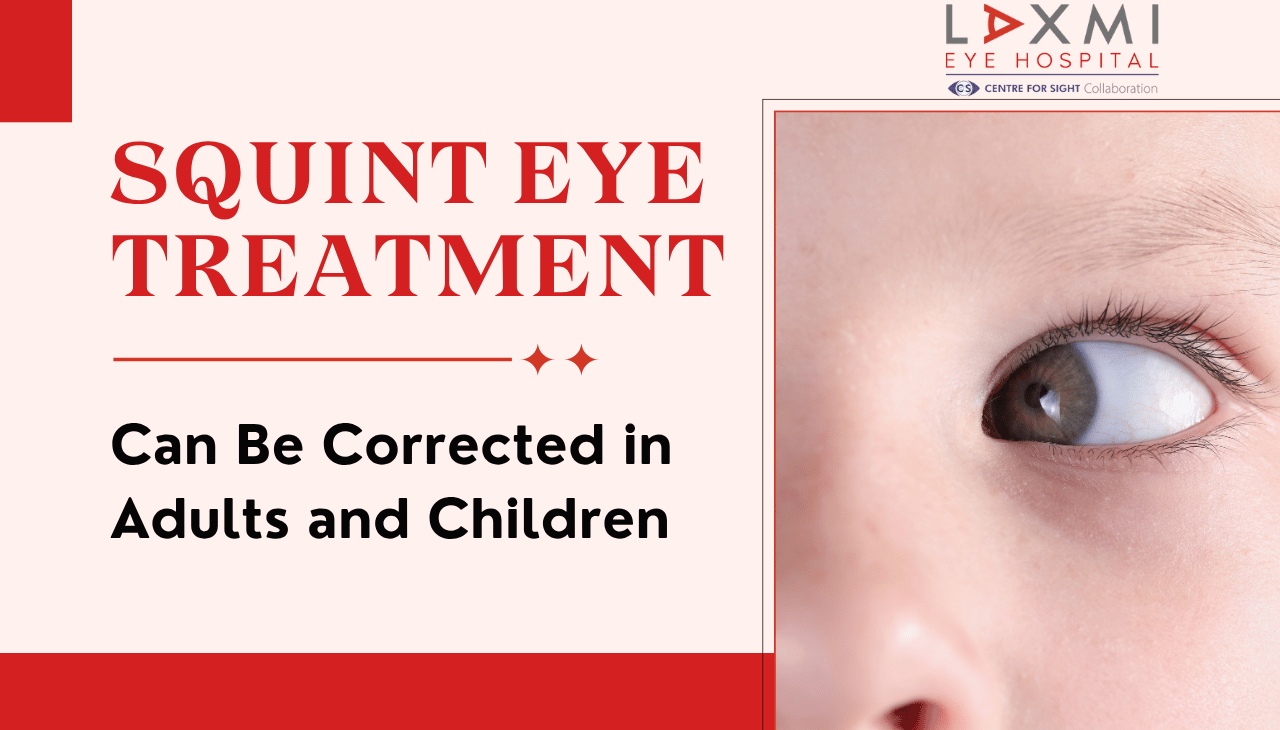
Squint occurs when both eyes do not move together in the same direction. One eye may turn inward, outward, upward, or downward while the other eye focuses normally.
Normally, the brain combines images from both eyes to create a single clear view. When the eyes are not aligned, the brain may receive two different images. In children, this can affect vision development. In adults, it may lead to double vision or difficulty with depth perception.
The causes of squint can vary depending on when it develops.
Squint in Children: Why Early Treatment Matters
Childhood squint is one of the most common eye conditions that parents notice. Some children are born with a squint, while others develop it during early years.
Common causes include:
Refractive errors
Uncorrected vision problems, especially long-sightedness, can force the eyes to work harder to focus. This extra effort may contribute to eye misalignment.
Eye muscle imbalance
The six small muscles around each eye control movement. If these muscles do not work together properly, one eye may turn away from its normal position.
Family history
Children with parents or siblings who have squint may have a higher chance of developing the condition.
Parents often ask, “Will my child outgrow squint?” In many cases, waiting without an eye examination is not the right approach. Some squints may improve with treatment, while others can lead to permanent vision problems if ignored.
Early assessment helps doctors decide whether the child needs glasses, patching, or other treatment.
Adult-Onset Squint: It Is Not Just a Cosmetic Concern
Many adults believe squint correction is only possible during childhood. This is a common misconception.
Adults can develop squint due to several reasons, including:
- Nerve-related problems affecting eye movement
- Diabetes-related nerve changes
- Eye injuries
- Previous eye surgeries
- Thyroid-related eye conditions
A new squint appearing suddenly in adulthood should always be evaluated by an eye specialist.
Adult squint can affect daily life in many ways. Some people experience double vision while reading or driving. Others feel uncomfortable during social interactions because of changes in their appearance.
Treatment can help improve eye alignment, reduce symptoms, and restore confidence.
How Is Squint Diagnosed?
A proper diagnosis is the first step toward successful treatment. During an eye examination, the doctor evaluates:
Eye alignment
The specialist checks how much the eye turns and in which direction it moves.
Vision quality
Vision testing helps identify whether one eye has weaker vision compared to the other.
Eye movement
The doctor examines how the eye muscles work when looking in different directions.
Overall eye health
A complete evaluation helps rule out other conditions that may contribute to eye misalignment.
A personalised treatment plan is created based on the patient’s age, type of squint, vision level, and overall eye health.
Treatment Options for Squint Correction
Squint treatment depends on the underlying cause. Not every patient needs surgery. Many people improve with non-surgical options.
1. Prescription Glasses
If a refractive error is contributing to squint, wearing the correct glasses prescription may improve eye alignment.
For some children, treating long-sightedness can reduce the eye turn and improve how both eyes work together.
2. Eye Patching for Lazy Eye
Some children with squint develop amblyopia, commonly known as lazy eye. This happens when the brain starts depending more on one eye and ignores signals from the weaker eye.
Eye patching involves covering the stronger eye for a specific period. This encourages the weaker eye to become active.
Many parents find patching challenging because children may resist wearing the patch. Consistency is important because regular treatment gives the best chance of improving vision.
3. Vision Therapy
Vision therapy includes guided exercises that help improve eye coordination and focusing skills.
It may be recommended for selected patients depending on the type of squint and visual needs.
4. Squint Surgery
When eye muscles require adjustment, squint surgery may be recommended.
The procedure involves carefully adjusting the position or strength of specific eye muscles to improve alignment. It is usually performed as a day-care procedure, and many patients return to normal activities within a short recovery period.
People often worry that squint surgery means operating inside the eye. In reality, the procedure focuses on the muscles around the eye that control movement.
A detailed consultation helps patients understand the procedure, expected results, and recovery process.
Can Adults Get Squint Surgery?
Yes, adults can undergo squint correction treatment.
Adult squint surgery can help patients who experience:
- Double vision
- Eye strain
- Difficulty focusing
- Problems with social confidence
- Challenges in professional interactions
Correcting squint in adults is not only about appearance. It can also improve comfort, visual function, and quality of life.
A detailed evaluation at a trusted eye care centre such as Laxmi Eye Clinic can help determine whether surgery or another treatment option is suitable.
Why Choosing the Right Eye Specialist Matters
Squint correction requires careful assessment because every patient’s condition is different.
The right treatment depends on factors such as:
- Age when squint started
- Type and degree of eye deviation
- Vision strength in both eyes
- Presence of double vision
- Previous treatments
Consulting an experienced Ophthalmologist in Mumbai ensures that the condition is evaluated properly and managed with an approach suited to your needs.
Frequently Asked Questions About Squint Correction
1. Can squint be completely corrected?
Yes, many cases of squint can be corrected or significantly improved with appropriate treatment. Results depend on the cause, severity, age, and response to treatment.
2. Is squint surgery painful?
Squint surgery is performed with anaesthesia to ensure patient comfort. Mild discomfort, redness, or irritation may occur after surgery but usually improves during recovery.
3. Is squint surgery safe?
Yes, squint surgery is a commonly performed procedure with a good safety record when done by a trained eye specialist. The doctor discusses possible outcomes and recovery expectations before treatment.
4. Can squint come back after surgery?
In some cases, the eye may gradually shift again after surgery. Regular follow-up helps monitor eye alignment and manage any changes early.
5. Can adults correct squint after many years?
Yes, adults can seek treatment even if they have had squint for many years. Treatment may improve eye alignment, symptoms, and confidence.
6. Should every child with squint wear glasses?
Not every child needs glasses. The treatment depends on the cause of squint and the results of a complete eye examination.
7. When should parents take a child for a squint evaluation?
Parents should schedule an eye examination if they notice an eye turning, unusual head position, frequent eye rubbing, or difficulty focusing.
Conclusion
Squint is a treatable eye condition that should not be ignored. Whether it affects a child’s vision development or an adult’s confidence and comfort, timely evaluation can make a major difference. Modern treatment options allow many patients to achieve better eye alignment and improved visual function.
If you or your child has signs of squint, consult an experienced eye specialist for a detailed assessment. With the right diagnosis and personalised care, squint correction can help you move towards healthier vision and greater confidence.