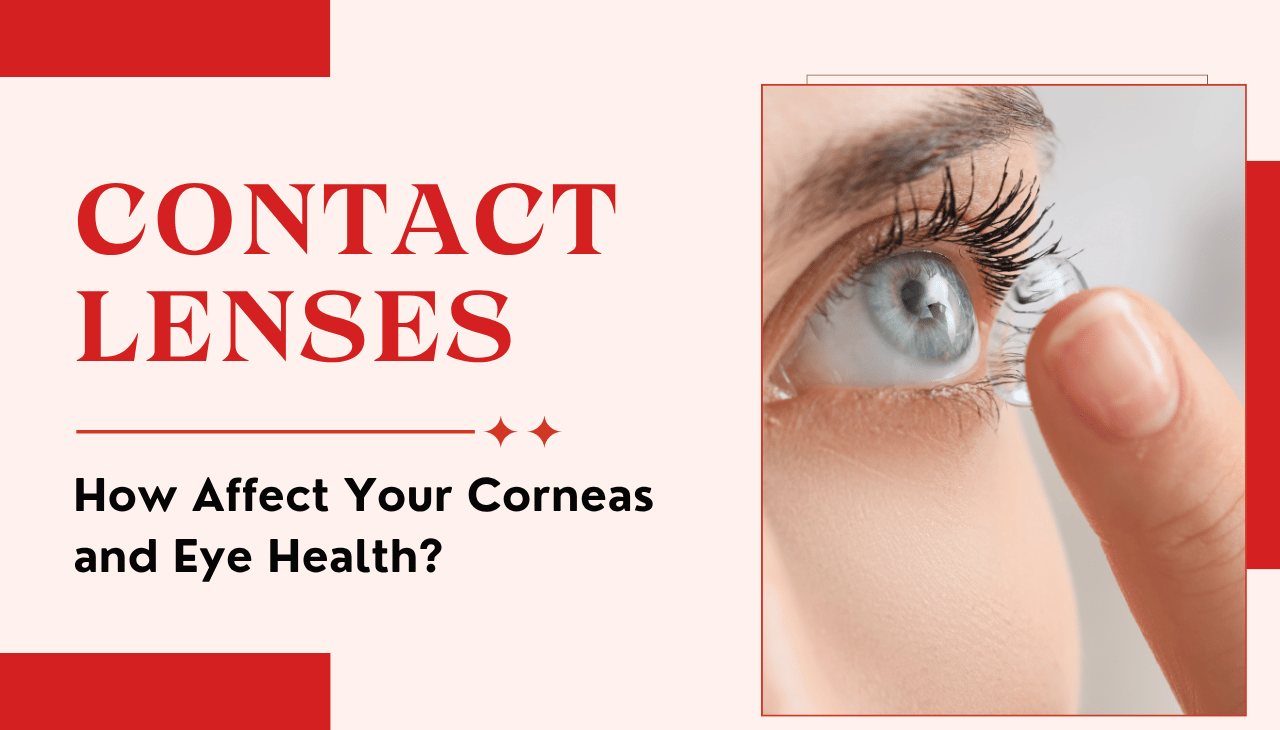
Contact Lenses Affect Corneas and Eye Health
Contact lenses improve vision without changing your appearance. Many people prefer them over glasses for daily comfort and lifestyle needs. But these lenses sit directly on your cornea, which makes eye health highly sensitive to how you use them.
Your cornea needs oxygen, moisture, and a stable tear film to stay clear and healthy. Contact lenses can influence all three. When used incorrectly, they can lead to dryness, irritation, and even infections.
This blog explains how contact lenses affect your corneas and overall eye health. You will understand real risks, common mistakes, and safe habits that protect your vision. You will also learn when to consult an Ophthalmologist in Mumbai for proper evaluation and care.
How Contact Lenses Interact with the Cornea
Contact lenses sit on the tear layer that protects your cornea. Every blink moves the lens slightly, helping tear distribution. This allows clear vision but also changes how oxygen reaches your eye.
Your cornea does not have blood vessels. It depends on oxygen from air exposure. A contact lens partially blocks this natural flow. Lens material, thickness, and wear time decide how much oxygen reaches the cornea.
When oxygen supply reduces, you may not notice it immediately. Over time, your eyes may feel heavy or slightly blurred. This is often the first sign of corneal stress.
People who visit Laxmi Eye clinic often report discomfort after long screen hours with lenses. This usually happens due to tear film disruption combined with reduced blinking.
Oxygen Reduction and Corneal Stress
The cornea reacts quickly to oxygen changes. Even small reductions affect its clarity and hydration balance.
Low oxygen levels can lead to mild corneal swelling. This may cause morning blur or fluctuating vision during the day. Some users also experience increased lens awareness, where they constantly feel the lens on the eye.
Long-term oxygen deprivation can trigger new blood vessel growth into the cornea. This condition develops slowly and often goes unnoticed until a routine eye exam.
Silicone hydrogel lenses improve oxygen flow compared to older materials. But even advanced lenses cannot fully replace natural oxygen exposure.
Regular check-ups with an Ophthalmologist in Mumbai help detect early corneal changes before symptoms worsen.
Dry Eyes and Tear Film Disruption
Your tear film keeps the cornea smooth and protected. Contact lenses divide this tear layer into two parts, making it unstable.
This leads to faster tear evaporation. You may feel dryness after a few hours of lens wear, especially during screen use or air-conditioned environments.
Reduced blinking during digital work worsens the problem. Your eyes stay open longer, causing tear breakdown. This results in burning, itching, or a gritty sensation.
Many patients visiting Laxmi Eye clinic describe end-of-day discomfort even when lenses feel fine in the morning. This pattern is common in digital screen users.
Lubricating drops and controlled screen breaks help manage symptoms, but proper lens fitting remains essential.
Infection Risk and Lens Hygiene Mistakes
Contact lenses increase infection risk when hygiene is not followed strictly. The lens acts as a surface where bacteria can attach and multiply.
Common mistakes include:
- Touching lenses with unwashed hands
- Reusing old solution
- Sleeping in lenses
- Using expired lenses
- Exposing lenses to water
Even a single hygiene lapse can introduce harmful microorganisms to the cornea. This may lead to keratitis, an infection that causes pain, redness, and light sensitivity.
In severe cases, corneal ulcers can develop and affect long-term vision clarity.
Early treatment from an Ophthalmologist in Mumbai is important when symptoms like pain or sudden redness appear. Delays can increase healing time and risk of scarring.
Long-Term Effects of Improper Lens Use
Incorrect contact lens habits do not always show immediate effects. Damage builds slowly over months or years.
Repeated oxygen restriction can change corneal behavior. You may notice unstable vision or frequent prescription updates.
Chronic dryness can make lens wear uncomfortable even for short durations. Some users eventually reduce wearing time due to discomfort.
In rare cases, prolonged misuse leads to corneal surface damage. This affects clarity and may require medical treatment.
Patients who ignore early signs often adapt to discomfort instead of seeking care. This delays diagnosis and worsens outcomes.
Routine eye exams at Laxmi Eye clinic help monitor corneal health and lens compatibility over time.
Safe Contact Lens Practices for Healthy Eyes
Good habits reduce most contact lens-related problems.
Follow these steps consistently:
- Wash hands before handling lenses
- Replace lenses as scheduled
- Use fresh solution every time
- Avoid sleeping in lenses unless prescribed
- Limit long continuous wear hours
- Give your eyes regular lens-free days
Choose lenses only after proper eye measurement. Ill-fitting lenses increase friction and reduce comfort.
If you work long hours on screens, plan short breaks to reduce dryness and eye strain.
Regular consultations with an Ophthalmologist in Mumbai ensure your lens type and prescription remain suitable for your eye condition.
FAQs
Can contact lenses permanently damage the cornea?
Yes, if hygiene and wear guidelines are ignored for long periods. Most issues are reversible if detected early.
Why do my eyes feel fine in the morning but dry at night?
Lens wear reduces tear stability over the day. Screen use and blinking reduction worsen evening dryness.
Is it safe to wear contact lenses every day?
Yes, daily wear is safe when hygiene, replacement schedules, and eye check-ups are followed.
Can I sleep with contact lenses?
Only if they are designed for overnight wear. Otherwise, sleeping increases infection risk significantly.
What are early signs of corneal infection?
Redness, pain, watering, light sensitivity, and sudden blurred vision.
Conclusion
Contact lenses improve vision and convenience, but they directly interact with the cornea, which is highly sensitive to oxygen, moisture, and cleanliness. Small mistakes in lens care can lead to dryness, irritation, or infections over time.
Understanding how lenses affect your eyes helps you avoid common errors. Simple habits like proper hygiene, controlled wear time, and regular eye check-ups protect your vision effectively.
If you notice discomfort, dryness, or changes in vision, consulting an Ophthalmologist in Mumbai ensures early diagnosis and safe correction. Regular monitoring at Laxmi Eye clinic helps maintain long-term corneal health and comfortable lens wear.