Protect Eyes While Swimming
Swimming feels light on the body. You move freely, breathe deeper, and feel relaxed.
But your eyes face constant exposure to chlorine, salt water, and microorganisms every time you enter a pool or natural water body.
Many people notice burning, redness, or blurred vision after swimming and ignore it until it becomes frequent.
If you swim regularly, or even occasionally, your eye health needs active protection. In some cases, consulting an Laxmi Eye clinic or an Ophthalmologist in Mumbai becomes important when irritation keeps returning.
This guide explains how swimming affects your eyes, what problems you may face, and how to protect your vision with simple habits.
Why swimming impacts your eyes
Your eyes depend on a thin tear film to stay smooth and protected. Water exposure disrupts this balance quickly.
In swimming pools, chlorine removes bacteria but also breaks down your natural eye protection layer. That is why your eyes often feel dry or sting after a swim.
In lakes or rivers, the risk shifts. Microorganisms and dirt particles can directly enter your eyes.
Sea water adds another challenge. High salt content causes irritation and temporary burning sensation.
Even when water looks clean, your eyes react because they are highly sensitive to chemical and biological changes.
What you may experience after swimming
Eye symptoms after swimming vary from mild discomfort to infection risk.
You may feel redness immediately after getting out of the water. This happens due to irritation of blood vessels on the eye surface.
Dryness is another common issue. Your eyes may feel tight or tired, especially after long swimming sessions.
Some swimmers notice watery eyes. This is your body’s response to wash away irritants.
Blurred vision can also appear temporarily due to water contact and tear film imbalance.
In some cases, infections like conjunctivitis may develop, especially if water quality is poor or hygiene is ignored.
If symptoms repeat frequently, it is worth consulting an Ophthalmologist in Mumbai for proper evaluation.
How to protect your eyes before swimming
Eye protection starts before you enter the water.
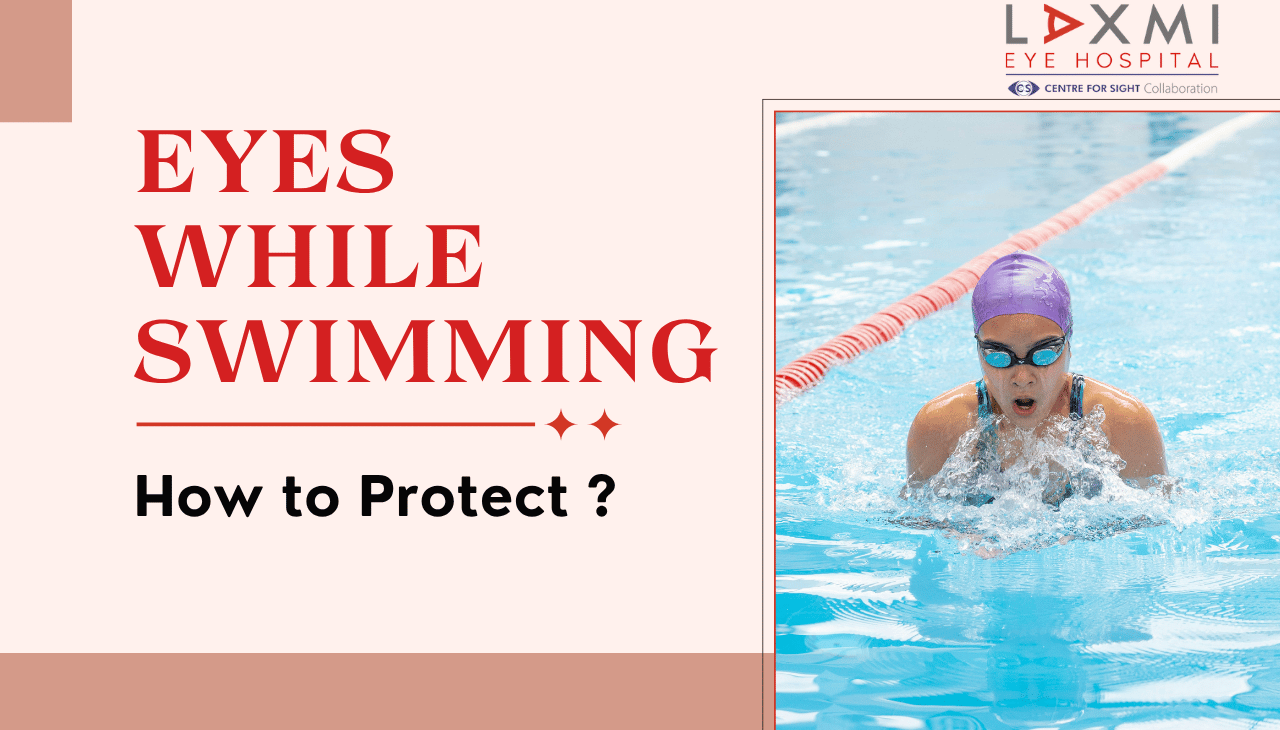
Use well-fitted swimming goggles. A proper seal prevents direct water contact and reduces chemical exposure. Poorly fitted goggles can leak and worsen irritation.
Choose anti-fog goggles if you swim regularly. Fogging often leads to repeated removal of goggles, increasing exposure risk.
Avoid touching your eyes before swimming. Hands carry dust and bacteria that can worsen irritation once inside water.
If you have a history of eye sensitivity, take advice from an Laxmi Eye clinic before continuing regular swimming routines.
Eye safety during swimming
What you do inside the water matters as much as preparation.
Avoid opening your eyes directly underwater in pools or natural water bodies. Even treated pool water contains chemicals that can irritate the surface of your eyes.
Do not adjust goggles frequently while swimming. Each adjustment increases the chance of water entry.
Try to limit long continuous exposure. Short breaks between laps reduce stress on your eyes.
Swim in properly maintained pools where water is regularly tested and chlorination levels are controlled.
After-swim eye care routine
What you do after swimming helps prevent long-term irritation.
Wash your face with clean, fresh water immediately after leaving the pool. This removes chlorine or salt residues.
Blink naturally several times to restore tear balance.
Use lubricating eye drops if you feel dryness or burning.
Avoid rubbing your eyes even if irritation feels strong. Rubbing increases inflammation and can introduce infection.
If discomfort continues beyond a few hours or repeats after every swim session, consult an Ophthalmologist in Mumbai for detailed examination.
Eye protection tips for frequent swimmers and children
Frequent swimmers face higher exposure, so protection habits matter more.
Replace goggles when seals become loose or worn out. Old goggles often leak without you noticing.
Rinse goggles with clean water after every use to remove chlorine buildup.
For children, choose soft-seal goggles that fit comfortably and do not press too hard around the eyes.
Teach kids not to share goggles, as this increases infection risk.
If eye irritation keeps recurring despite precautions, a visit to an Laxmi Eye clinic helps identify underlying sensitivity or tear film issues.
FAQs
Why do my eyes burn after swimming even with goggles?
Goggles reduce exposure but do not block all chemical irritation. Chlorine vapors and minor leaks can still affect your eyes.
Can swimming cause permanent eye damage?
Occasional swimming does not cause permanent damage, but repeated exposure without protection can lead to chronic dryness or irritation.
Is pool water worse than sea water for eyes?
Both can irritate your eyes differently. Pool water contains chlorine, while sea water has high salt concentration.
How long does eye irritation last after swimming?
Mild irritation usually settles within a few hours with proper care and rest.
Can I use contact lenses while swimming?
It is not recommended. Water can trap bacteria under lenses and increase infection risk.
When should I see an eye specialist after swimming discomfort?
If redness, pain, or blurred vision lasts more than 24 hours, consult an Ophthalmologist in Mumbai.
Are swimming goggles enough protection?
Goggles reduce risk significantly but must be properly fitted and combined with good after-swim care.
What is the safest way to swim with sensitive eyes?
Use high-quality goggles, avoid underwater eye exposure, and follow strict post-swim hygiene practices.
Conclusion
Your eyes react quickly to chlorine, salt, and microorganisms present in swimming environments. Simple habits like using proper goggles, avoiding direct water exposure, and following after-swim care reduce irritation and infection risk.
If eye discomfort keeps repeating or affects your swimming routine, professional evaluation at an Laxmi Eye clinic or consultation with an Ophthalmologist in Mumbai helps protect long-term eye health and keeps your vision stable.