

Trabeculectomy Surgery
Glaucoma damages the optic nerve slowly as eye pressure increases. Many people do not notice symptoms until vision loss starts affecting daily life. Doctors perform trabeculectomy when medications or laser treatments fail to control eye pressure. Patients often consult an Ophthalmologist in Mumbai to understand whether surgery is required and what outcomes to expect.
This guide explains trabeculectomy in detail, including how the procedure works, when doctors recommend it, recovery timeline, risks, and treatment planning at centres like Laxmi Eye Hospital. It also helps you understand why timely decision-making matters in glaucoma care.
What Is Trabeculectomy Surgery?
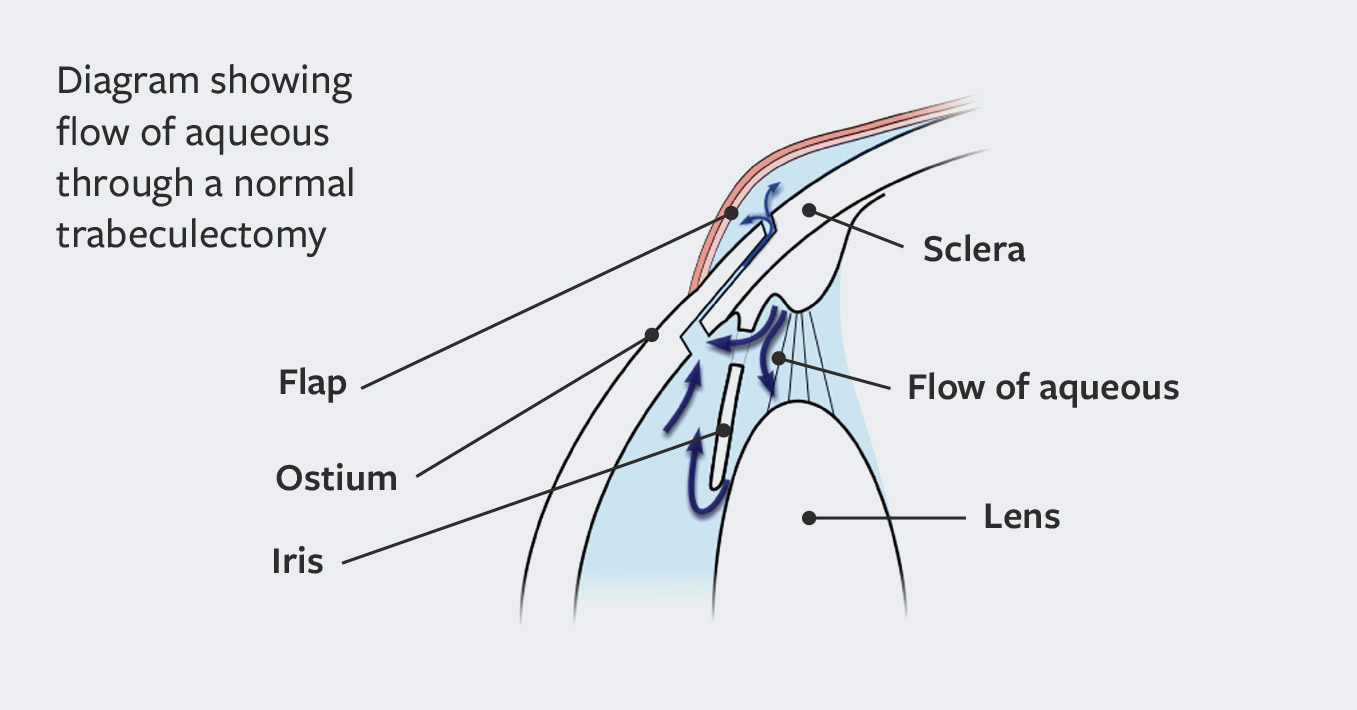
Trabeculectomy is a glaucoma surgery that reduces pressure inside the eye. In this procedure, the surgeon creates a small drainage opening in the sclera (white part of the eye). This opening allows excess fluid to flow out naturally. This fluid drainage helps lower intraocular pressure and protects the optic nerve from further damage. Doctors recommend trabeculectomy when eye drops and laser treatments fail to control glaucoma progression.
Patients requiring Glaucoma Surgery in Mumbai often undergo detailed evaluation before this procedure is suggested.
When Do Doctors Recommend Trabeculectomy?
An Ophthalmologist in Mumbai considers trabeculectomy only after assessing disease severity and response to treatment.
Doctors recommend this surgery when:
- Eye pressure stays high even after using multiple medications
- Vision field loss continues to progress
- Eye drops cause side effects or fail to provide control
- Laser treatment does not maintain long-term pressure stability
At advanced centres like Laxmi Eye Hospital, doctors perform multiple diagnostic tests such as eye pressure tracking, optic nerve imaging, and visual field analysis before making a surgical decision.
How Trabeculectomy Surgery Is Performed
Doctors perform trabeculectomy under local anesthesia. The surgeon creates a small flap in the sclera and forms a controlled drainage pathway for fluid outflow. This new drainage channel allows aqueous fluid to leave the eye and reduce internal pressure.
A small fluid-filled area called a bleb forms under the eyelid. The body absorbs fluid from this area naturally. The procedure usually takes less than one hour. Patients undergoing Glaucoma Surgery in Mumbai are monitored closely after surgery and discharged either the same day or the next day depending on recovery status.
Recovery After Trabeculectomy Surgery
Recovery from trabeculectomy takes time and requires regular monitoring.
First week: Patients may experience redness, mild discomfort, and blurred vision
2–4 weeks: Eye pressure starts stabilizing with medication support
1–3 months: Healing continues and final pressure control is assessed
Doctors prescribe eye drops to prevent infection and control inflammation. Patients should avoid rubbing their eyes, lifting heavy objects, or exposing eyes to dust and water during early recovery. Regular follow-ups help monitor pressure changes and healing progress. Vision may fluctuate during early healing, which is expected.
Benefits of Trabeculectomy Surgery
Trabeculectomy helps reduce intraocular pressure effectively in many patients. It reduces dependence on long-term eye drops.
It slows or stops further optic nerve damage when performed at the right time. Patients undergoing Glaucoma Surgery in Mumbai often choose this procedure when other treatments fail to control disease progression. The main goal of this surgery is to preserve existing vision rather than improve lost vision.
Risks and Limitations
Trabeculectomy carries some risks like any surgical procedure.
Possible complications include:
- Temporary low or high eye pressure
- Infection in rare cases
- Blurred vision during healing
- Need for additional procedures if drainage reduces or overfunctions
An experienced Ophthalmologist in Mumbai evaluates these risks before recommending surgery. Careful post-operative monitoring reduces the chances of complications and helps ensure stable results.
Cost of Trabeculectomy in India
The cost of trabeculectomy in India generally ranges between ₹25,000 to ₹80,000 per eye.
Several factors affect the total cost:
- Hospital infrastructure and location
- Surgeon experience and expertise
- Severity of glaucoma
- Post-surgery care and follow-up requirements
At centres like Laxmi Eye Hospital, the package may include surgery, hospital stay, medicines, and follow-up visits. Many insurance policies cover medically necessary glaucoma surgeries.
FAQs
Is trabeculectomy surgery painful?
Doctors perform the surgery under anesthesia, so patients do not feel pain during the procedure. Mild discomfort may occur during recovery.
How successful is trabeculectomy?
Trabeculectomy effectively reduces eye pressure in many patients when combined with regular follow-ups and medication.
Can glaucoma come back after surgery?
Surgery controls eye pressure but does not cure glaucoma. Regular monitoring remains necessary.
How long does recovery take?
Initial recovery takes a few weeks, while full healing and stabilization may take up to 3 months.
Will I still need eye drops after surgery?
Yes, doctors prescribe temporary eye drops after surgery to support healing and prevent infection.
Can both eyes be operated at the same time?
Doctors usually operate on one eye at a time to ensure safety and proper healing.
Where should I get treatment?
Patients should consult an experienced Ophthalmologist in Mumbai at a trusted centre like Laxmi Eye Hospital for proper evaluation and treatment planning.
Conclusion
Trabeculectomy plays an important role in managing uncontrolled glaucoma by reducing eye pressure and protecting remaining vision. Doctors recommend this surgery only after careful evaluation and when other treatments fail.
Patients undergoing Glaucoma Surgery in Mumbai benefit from structured care, advanced diagnostics, and regular follow-ups. Timely consultation with an Ophthalmologist in Mumbai and treatment at Laxmi Eye Hospital can help prevent further vision loss and support long-term eye health.