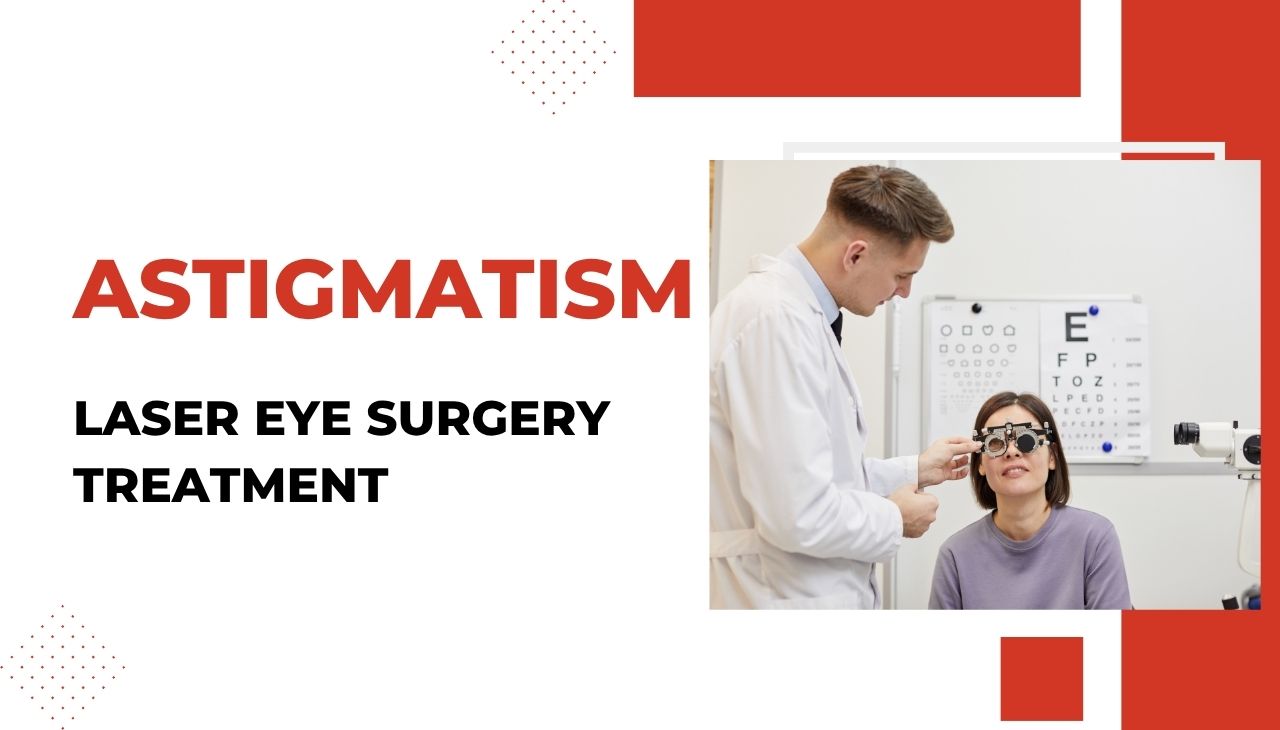
Laser Eye Surgery Treat Astigmatism
Are you tired of struggling with blurry vision caused by astigmatism? Wondering if laser eye surgery, like LASIK, can finally offer a lasting solution? If you’re considering LASIK for astigmatism treatment, this guide will provide you with clear, actionable insights. We’ll cover what astigmatism is, the causes and symptoms, treatment options, and how laser surgery can improve your vision for the long term.
What is Astigmatism?
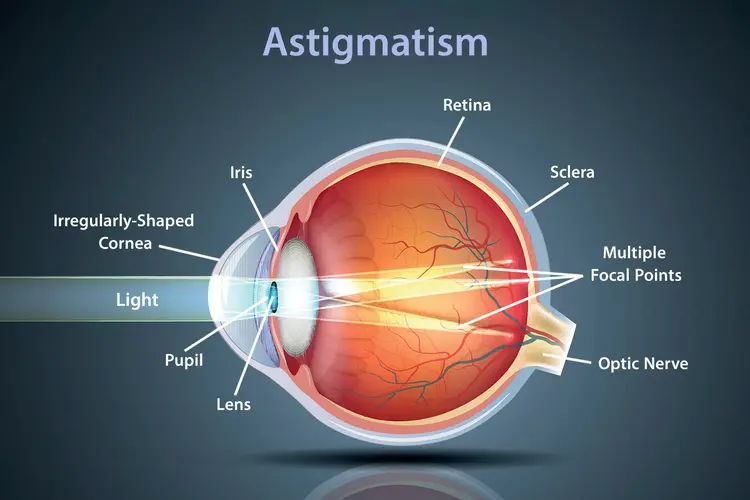
Astigmatism is a common refractive error that causes blurry or distorted vision at any distance. It occurs when the cornea, the clear front part of your eye, is shaped more like a football than a basketball. This irregularity prevents light from focusing evenly on your retina, leading to visual distortions.
Causes of Astigmatism:
- Genetic factors: It’s often inherited, so if your parents have astigmatism, you may develop it too.
- Eye injury or surgery: Past eye injuries or surgeries can change the shape of the cornea.
- Keratoconus: A condition where the cornea thins and bulges, leading to a more irregular shape.
Symptoms of Astigmatism:
- Blurry or distorted vision at all distances.
- Eye strain, especially after reading or screen time.
- Frequent headaches.
- Difficulty seeing clearly at night.
If you experience any of these symptoms, it’s crucial to seek professional eye care.
How Laser Eye Surgery Can Treat Astigmatism
While glasses and contact lenses can temporarily correct astigmatism, laser eye surgery, particularly LASIK, offers a permanent solution. LASIK reshapes the cornea to ensure light is focused properly on the retina, correcting astigmatism and offering clearer vision.
LASIK for Astigmatism:
Which stands for Laser-Assisted in Situ Keratomileusis, uses a precise laser to reshape the cornea. The procedure is quick, painless, and minimally invasive. Most patients experience a noticeable improvement in vision within a day, and many can achieve 20/25 vision or better.
PRK for Astigmatism:
PRK (Photorefractive Keratectomy) is another type of laser eye surgery. Unlike LASIK, PRK doesn’t involve creating a corneal flap. Instead, the outer layer of the cornea is removed and reshaped. PRK is often recommended for patients with thinner corneas or more severe astigmatism.
Both LASIK and PRK offer long-lasting results, though the right procedure for you will depend on your unique eye health and lifestyle.
Why Choose Laser Eye Surgery for Astigmatism?
- Quick Recovery: Most patients recover within 24 to 48 hours after surgery.
- Minimal Discomfort: The procedure is virtually painless, and any post-surgery discomfort is minimal.
- Long-Term Results: Laser surgery can provide permanent results, eliminating the need for glasses or contacts.
- Freedom from Glasses: LASIK allows you to enjoy a life free of corrective eyewear, enhancing your overall quality of life.
However, it’s important to note that not everyone is a good candidate for LASIK or PRK. Your eye doctor will evaluate your corneal thickness, overall eye health, and vision prescription to determine the best option.
Why Consult Laxmi Eye Hospital?
Laxmi Eye Hospital has been at the forefront of eye care for over 30 years, offering expert treatment for a wide range of conditions, including astigmatism. Our specialties include LASIK, cataract surgery, glaucoma management, retina treatments, and more. Our highly skilled team of ophthalmologists will guide you through the entire process, ensuring you receive the most appropriate care tailored to your needs.
With locations in Panvel, Kharghar, Kamothe, and Dombivli, we offer convenient access to our world-class facilities. To schedule your consultation, call us today or book an appointment online.
FAQs
- Is LASIK surgery safe for treating astigmatism?
Yes, LASIK is one of the safest and most effective treatments for astigmatism. It has a high success rate with minimal complications when performed by an experienced surgeon. - How long does LASIK surgery take?
LASIK typically takes about 10-15 minutes per eye. The procedure is quick and painless. - Will I need glasses after LASIK?
Most patients achieve 20/25 vision or better, meaning they no longer need glasses or contacts for everyday activities. However, some may still require reading glasses as they age. - What are the risks of LASIK surgery?
Risks are rare but may include dry eyes, glare, or under/over-correction. These can be managed with follow-up care. - How soon can I return to normal activities after LASIK?
You can typically resume most normal activities within 24-48 hours, but it’s advised to avoid strenuous physical activity for at least a week.
Final Thoughts
If you’re tired of relying on glasses or contacts to correct your astigmatism, LASIK or PRK could be the solution you’ve been looking for. With over 30 years of expertise, Laxmi Eye Hospital is here to provide you with safe, effective treatment options. Don’t wait any longer—schedule a consultation today and take the first step toward clear, hassle-free vision.