Laser Eye Surgery
Laser eye surgery has become a popular solution for those seeking freedom from glasses and contact lenses. With advances in technology, many people now opt for this procedure to improve their vision permanently. But how long do the results really last? And what can you expect in the long term?
In this blog, we will discuss the longevity of laser eye surgery, what factors influence its durability, and what you can expect after the procedure. If you’re considering this treatment, understanding its long-term effects will help you make an informed decision.
Understanding Laser Eye Surgery
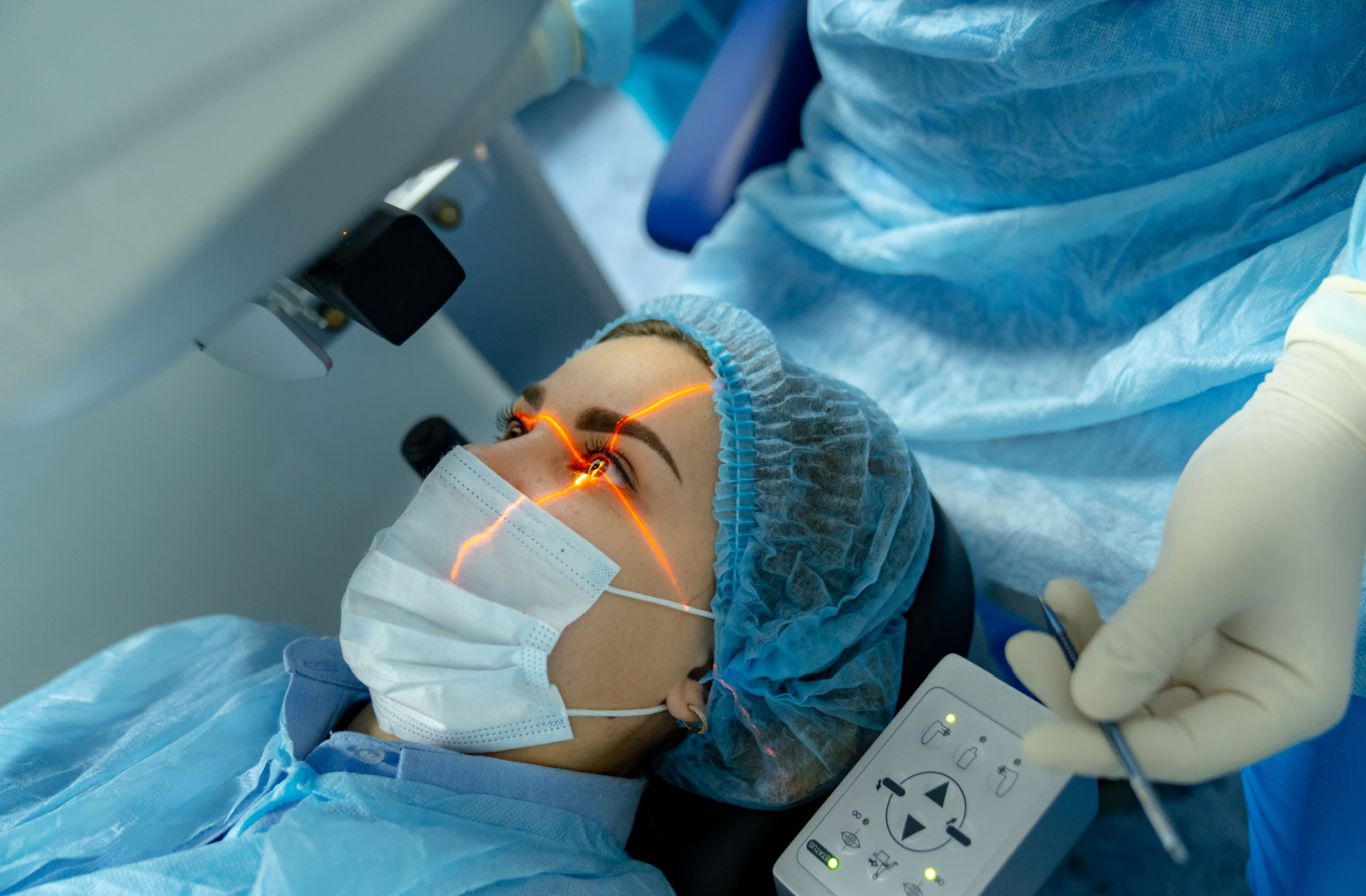
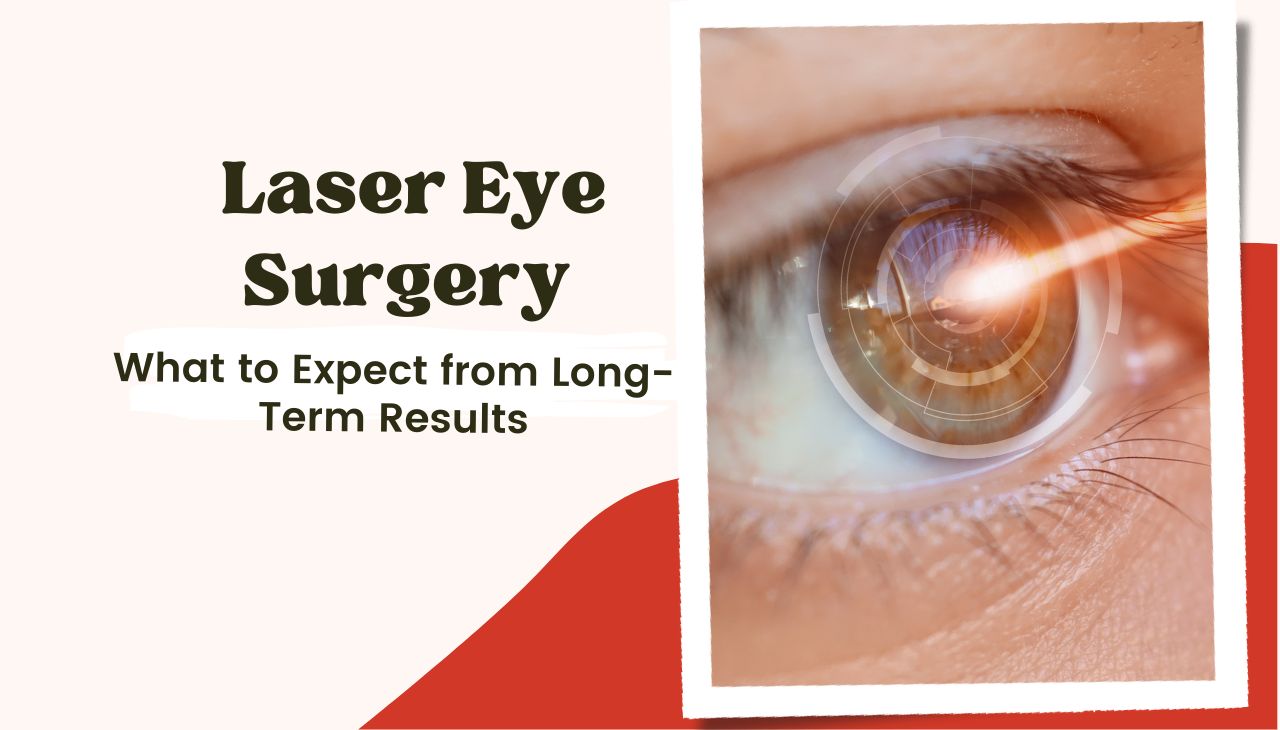
Laser eye surgery, commonly known as LASIK (Laser-Assisted in Situ Keratomileusis), is a procedure that reshapes the cornea to correct refractive vision problems like myopia (nearsightedness), hyperopia (farsightedness), and astigmatism. Using a laser, the surgeon carefully removes tiny amounts of tissue to improve the eye’s ability to focus light correctly on the retina, resulting in clearer vision.
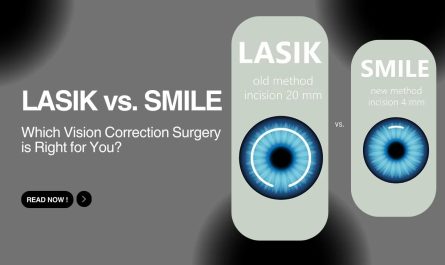
There are a few other types of laser procedures, including PRK (Photorefractive Keratectomy) and SMILE (Small Incision Lenticule Extraction), but LASIK is the most common. The procedure is quick, generally pain-free, and offers a high success rate, with most patients achieving 20/25 vision or better.
How Long Does Laser Eye Surgery Last?
The effects of laser eye surgery are designed to be long-lasting, but the longevity of the results can vary based on several factors:
- Age: Younger patients, especially those under 40, tend to have more stable results compared to older individuals. As we age, our eyes undergo natural changes, and some people may need reading glasses after the age of 40 due to presbyopia (age-related farsightedness).
- Health and Lifestyle: Certain conditions like dry eyes or diabetes, as well as lifestyle factors such as smoking or heavy sun exposure, can impact the durability of your results. Maintaining good eye health and following aftercare instructions is crucial for long-term success.
- Severity of Vision Problems: People with higher degrees of refractive error may see a slightly higher chance of needing enhancement procedures in the future.
Generally, most patients experience significant improvement in their vision for at least 10-20 years. However, as mentioned earlier, factors like aging can still affect your vision, which may necessitate a minor touch-up surgery or corrective lenses later in life.
Common Concerns After Laser Eye Surgery
While laser eye surgery is known for its effectiveness, there are a few common concerns people may have:
- Dry Eyes: Some patients experience temporary dry eyes after surgery. This is usually short-lived, but in some cases, it can persist. Your doctor will provide treatment options to manage this condition.
- Night Vision Issues: A small percentage of people may experience glare or halos around lights, especially at night. These issues often resolve over time, but in rare cases, they may persist and require further treatment.
- Regression: While uncommon, some patients may experience a slight regression in their vision over the years, especially if they were heavily nearsighted or farsighted before surgery. This can be addressed with a touch-up procedure.
Expert Recommendations for Long-Term Eye Health
To maintain the results of your laser eye surgery and ensure your eyes stay healthy in the long term, consider these tips:
- Follow Aftercare Instructions: Post-surgery care is essential to healing properly and minimizing risks. Use prescribed eye drops and avoid rubbing your eyes.
- Regular Checkups: Even after the surgery, regular eye exams are important to monitor your eye health. Your doctor will assess whether your vision has remained stable.
- Protect Your Eyes: Wear sunglasses to protect your eyes from UV damage and avoid strenuous activities that could injure your eyes.
Consultation at Laxmi Eye Hospital
With over 30 years of experience, Laxmi Eye Hospital is a trusted name in eye care. Specializing in services such as LASIK, cataract treatment, glaucoma management, diabetic eye care, and retina treatments, Laxmi Eye Hospital has helped thousands of patients achieve clear, healthy vision.
For personalized advice and a consultation, visit any of our locations in Panvel, Kharghar, Kamothe, or Dombivli. To schedule an appointment, call us today or book online.
FAQs
- Is LASIK safe?
Yes, LASIK is one of the safest and most effective procedures for correcting vision problems, with a success rate of over 95%. - Can I go back to work immediately after surgery?
Most patients can return to work within 1-2 days, though it’s important to avoid strenuous activities for a few weeks. - Do I still need glasses after LASIK?
Some people may still need glasses for reading as they age, but most experience a significant reduction in the need for corrective lenses. - How long does the recovery take?
Recovery time is generally short, with many patients seeing improved vision within a few days. Full recovery can take a few weeks. - Are there any risks?
While rare, complications like dry eyes, glare, or infection can occur. Discuss any concerns with your surgeon before proceeding.
Conclusion
Laser eye surgery offers a long-term solution for clearer vision, with most patients enjoying lasting results for many years. By understanding the procedure, following post-surgery care instructions, and seeking regular checkups, you can ensure that your vision remains sharp. For personalized care and expert advice, schedule a consultation at Laxmi Eye Hospital today!