How UV Rays Damaging Your Eyes ?
We are all aware of the harmful effects of ultraviolet (UV) rays on our skin, but what about our eyes? UV rays, which are a form of radiation from the sun, can cause significant damage to our eyes over time without us even realizing it. It’s crucial to understand the risks associated with UV exposure and how we can protect our eyes from long-term harm. In this blog, we’ll explore the effects of UV rays on our eyes, the symptoms to watch out for, and the steps you can take to safeguard your vision.
What Are UV Rays and How Do They Affect Your Eyes?
UV rays are invisible rays emitted by the sun. These rays are categorized into three types:
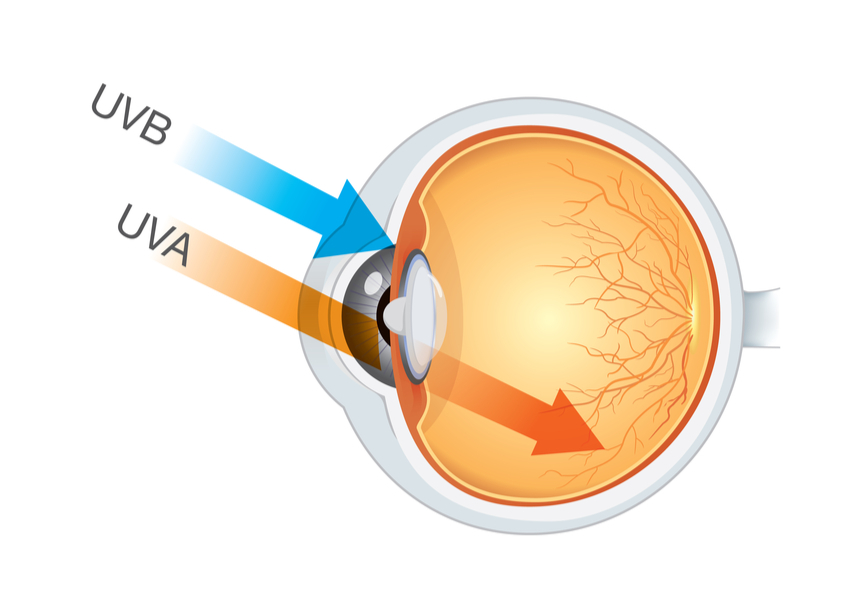
- UVA: Longest wavelength, responsible for skin aging and eye damage.
- UVB: Shorter wavelength, the main cause of sunburn and eye injuries.
- UVC: The most dangerous type, but fortunately, these rays are absorbed by the Earth’s ozone layer and don’t reach us.
When it comes to eye health, UV rays can damage various parts of the eye, including the cornea, lens, and retina. Prolonged exposure to UV radiation can lead to serious conditions such as cataracts, macular degeneration, and even eye cancers.
Causes, Symptoms, and Risks of UV Exposure
Many people are unaware of the dangers of UV radiation. Here are some common causes and symptoms related to excessive UV exposure:
- Prolonged Sun Exposure: Spending long hours outdoors, especially without proper eye protection, increases your exposure to UV rays.
- Reflective Surfaces: Snow, water, and sand can reflect UV rays, intensifying their effect on your eyes.
- Inadequate Protection: Not wearing sunglasses or a hat with a brim while outdoors leaves your eyes vulnerable to harmful UV rays.
Common Symptoms of UV Damage:
- Photokeratitis: This is essentially a sunburn of the cornea, leading to red, painful eyes and sensitivity to light.
- Cataracts: A clouding of the lens, which can lead to blurred vision and, if left untreated, blindness.
- Macular Degeneration: This condition affects the retina, leading to loss of central vision.
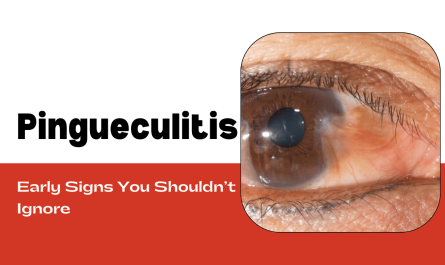
- Pinguecula and Pterygium: Growths that can develop on the white part of your eye due to UV exposure, causing irritation and redness.
How to Protect Your Eyes from UV Damage

Fortunately, preventing UV damage to your eyes is simple and effective. Here are a few protective measures:
- Wear UV-Protective Sunglasses: Always choose sunglasses that block 100% of UVA and UVB rays. Polarized lenses reduce glare and improve visibility, especially when driving.
- Use a Hat: A wide-brimmed hat can provide additional protection by blocking the sun’s rays from directly hitting your eyes.
- Avoid Peak Sun Hours: UV radiation is strongest between 10 a.m. and 4 p.m. Limit your exposure during these hours, or ensure you’re adequately protected.
- Check UV Index: Stay informed about the UV index and take appropriate measures when the levels are high.
- Regular Eye Exams: Ensure you’re scheduling regular eye exams to detect early signs of UV-related damage, especially if you spend a lot of time outdoors.
Expert Tips and Recommendations
- Children’s Eye Protection: UV rays are particularly harmful to children’s eyes, as their lenses are clearer and allow more UV light to penetrate. It’s essential to protect their eyes from a young age.
- UV Protection Indoors: UV rays can also affect your eyes indoors through windows. Consider using UV-blocking window film if you spend a lot of time near large windows.
About Laxmi Eye Hospital
For over 30 years, Laxmi Eye Hospital has been a trusted name in eye care. Known for its expertise in a wide range of treatments, including Specs Removal / LASIK, Cataract Surgery, Glaucoma Management, Diabetic Eye Care, and Retina Treatments, Laxmi Eye Hospital has served thousands of satisfied patients. The hospital is equipped with the latest technology and a team of skilled professionals to provide the best care possible.
If you’re concerned about UV exposure or eye health, book a consultation today. Laxmi Eye Hospital has branches in Panvel, Kharghar, Kamothe, and Dombivli. You can easily schedule an appointment via our website or call our helpline for assistance.
FAQs
1. Can UV rays damage my eyes even on cloudy days?
Yes, UV rays can penetrate through clouds and still affect your eyes.
2. What are the long-term effects of UV exposure on the eyes?
Chronic UV exposure can lead to cataracts, macular degeneration, and increased risk of eye cancer.
3. How can I tell if my sunglasses are UV-protective?
Check the label to ensure they block 100% of both UVA and UVB rays.
4. Is UV damage reversible?
UV damage to the eyes is usually permanent, so prevention is key.
5. Do eye diseases caused by UV rays show symptoms immediately?
No, many eye conditions related to UV exposure develop slowly over time, so regular eye exams are important.
Conclusion
UV rays are a serious threat to your eye health, and their harmful effects can accumulate over time without you noticing. Taking simple precautions such as wearing UV-protective sunglasses, using hats, and scheduling regular eye exams can help protect your vision for years to come. Don’t wait for symptoms to appear—act now and prioritize your eye health.