Advanced LASIK Surgery
LASIK surgery has revolutionized the way we approach vision correction. With advancements in technology, LASIK techniques have become more precise, faster, and effective, offering people a chance to enjoy clearer vision without the need for glasses or contact lenses. This blog will delve into the advanced LASIK techniques available today, explain their benefits, and help you understand how they may improve your eyesight.
Basics of LASIK Surgery
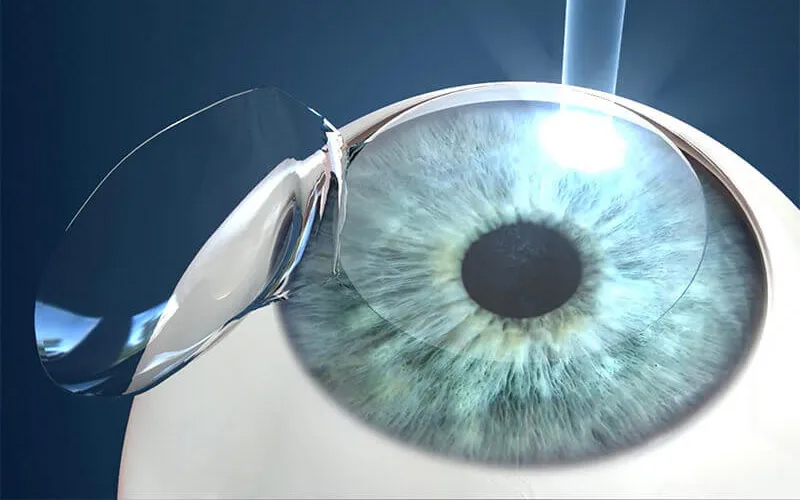
LASIK (Laser-Assisted in Situ Keratomileusis) is a popular eye surgery designed to treat refractive vision problems such as nearsightedness, farsightedness, and astigmatism. The procedure works by reshaping the cornea, allowing light entering the eye to be properly focused onto the retina. The goal is to reduce or eliminate the need for glasses or contact lenses.
Key terms in LASIK include:
- Cornea: The clear, dome-shaped surface that covers the front of the eye.
- Flap creation: During LASIK, a flap of corneal tissue is created, which is then lifted to allow the laser to reshape the cornea beneath.
- Excimer Laser: A type of laser used to reshape the cornea by removing microscopic amounts of tissue.
With continuous advancements, newer LASIK techniques focus on improving precision, safety, and patient comfort.
Common Concerns Related to LASIK Surgery
Many patients may have concerns about LASIK, including potential side effects and the long-term success of the procedure. Some of the common issues include:
- Dry Eyes: Temporary dryness after LASIK is common, but it usually resolves within a few weeks.
- Night Vision Problems: Some patients experience halos or glare at night, although newer techniques minimize this issue.
- Undercorrection or Overcorrection: With older LASIK methods, there was a risk of under or over-correction. Advanced techniques address this by offering better precision.
Patients are encouraged to consult with their eye doctors to discuss their specific concerns before undergoing LASIK surgery.
Advanced LASIK Techniques and Options
There are several advanced LASIK techniques that provide enhanced results for patients seeking vision correction.
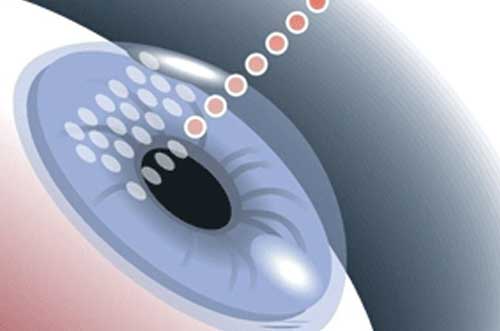
- Bladeless LASIK (Femto-LASIK): Traditional LASIK uses a mechanical microkeratome blade to create the corneal flap. In bladeless LASIK, a femtosecond laser is used instead. This offers a more precise flap creation, reducing the risk of complications and promoting quicker recovery.
- Contoura Vision LASIK: This is an advanced technique that uses topography-guided technology to measure the shape of the cornea in greater detail. It customizes the treatment to your specific corneal contours, offering improved visual outcomes and sharper vision compared to standard LASIK.
- ICL (Implantable Collamer Lens) and IPCL: For patients who are not suitable candidates for LASIK, ICL or IPCL surgery can be an effective alternative. These lenses are implanted inside the eye to correct vision without the need for a corneal flap.
These technologies offer significant benefits over traditional LASIK, providing sharper, more precise results for patients with complex vision needs.
Expert Insights on LASIK
Choosing the right LASIK technique depends on various factors, including the patient’s age, eye health, and the severity of their refractive error. It’s important to seek advice from a skilled and experienced eye surgeon who can guide you toward the technique that will give you the best possible results. Advanced LASIK treatments, while more expensive, often provide longer-lasting results and a quicker recovery.
Consultation with a reputable hospital and experienced eye doctors is crucial to determine the best approach for your specific case.
Consultation at Laxmi Eye Hospital
Laxmi Eye Hospital has been a trusted name in eye care for over 30 years, known for its exceptional services and experienced eye doctors. With state-of-the-art diagnostic equipment and advanced LASIK options, Laxmi Eye Hospital provides comprehensive eye care across Panvel, Kharghar, Kamothe, and Dombivli.
Laxmi Eye Institute specializes in various eye treatments including LASIK (Bladeless LASIK, ICL, IPCL, Contoura Vision LASIK), Cataract, Glaucoma, Diabetic Eye Care, Retina Treatment, Pediatric Ophthalmology, and Corneal Diseases. Their team includes some of the most skilled ophthalmologists with years of expertise in the field.
FAQs About LASIK Surgery
- Is LASIK safe?
LASIK is a safe procedure when performed by an experienced surgeon. However, like any surgery, there are risks, which is why a thorough pre-operative consultation is necessary. - How long does the recovery take?
Recovery time can vary, but most patients experience significant improvement in vision within 24 to 48 hours. Full recovery typically takes about a week. - Can LASIK treat all vision problems?
LASIK is effective for treating myopia (nearsightedness), hyperopia (farsightedness), and astigmatism. It is not suitable for everyone, especially those with very thin corneas or certain other eye conditions. - Will I still need glasses after LASIK?
While many people achieve 20/25 vision or better, some patients may still need glasses for reading or other tasks. LASIK is designed to reduce dependency on corrective lenses. - Are there any long-term side effects?
Most side effects from LASIK, like dry eyes or glare, are temporary. Serious complications are rare, and advanced techniques minimize these risks.
Conclusion
Advanced LASIK techniques like Bladeless LASIK, Contoura Vision, and ICL offer improved precision and faster recovery compared to traditional methods. Whether you’re dealing with myopia, hyperopia, or astigmatism, LASIK provides a lasting solution for clearer vision. Be sure to consult with experienced eye care professionals, like those at Laxmi Eye Hospital, to determine the best treatment plan for you. With proper care and expert guidance, LASIK can help you achieve the clear vision you’ve always desired.