Why Does Hypermetropia Develop?
Hypermetropia, commonly known as farsightedness, is a visual condition where distant objects are seen more clearly than close ones. While this condition can affect people of all ages, its development is often gradual, and many might not realize they have it until they begin to experience discomfort with close-up tasks like reading. Understanding why hypermetropia occurs is crucial for managing its symptoms and seeking appropriate treatment. This blog will explore the basics of hypermetropia, its causes, symptoms, treatment options, and some helpful tips for managing the condition.
Understanding Hypermetropia
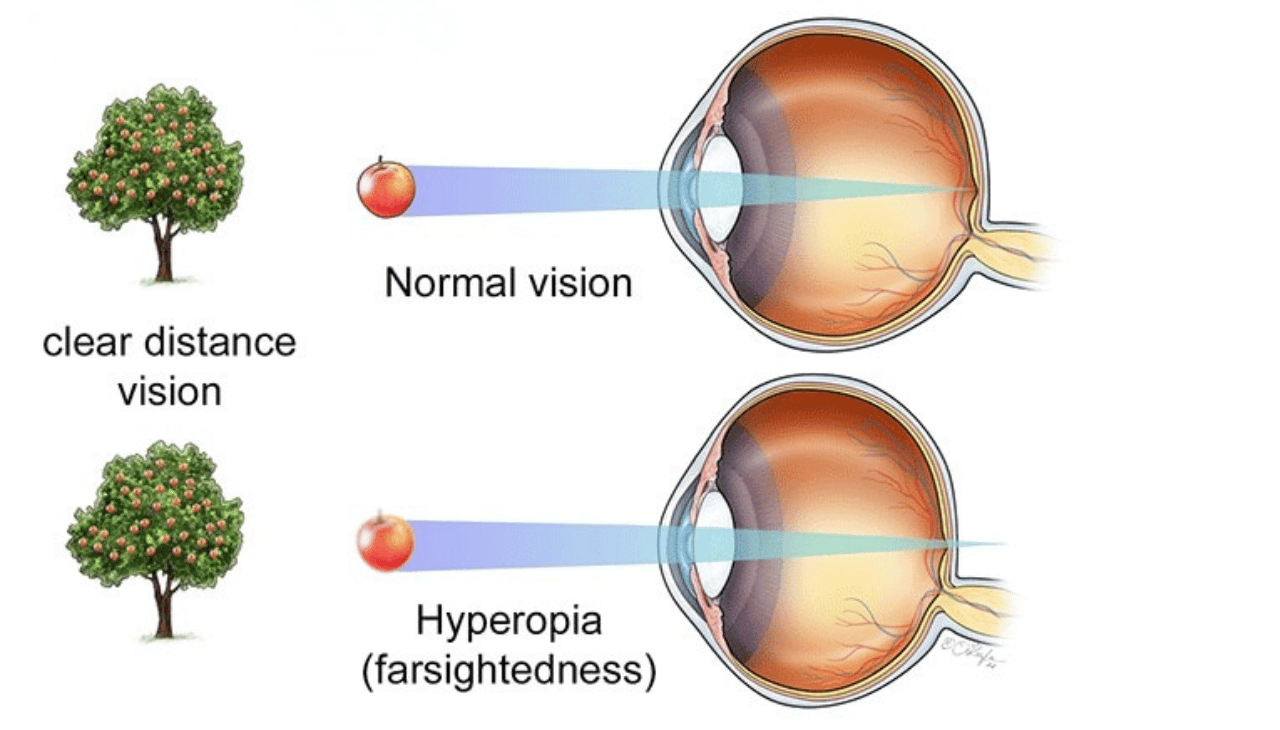
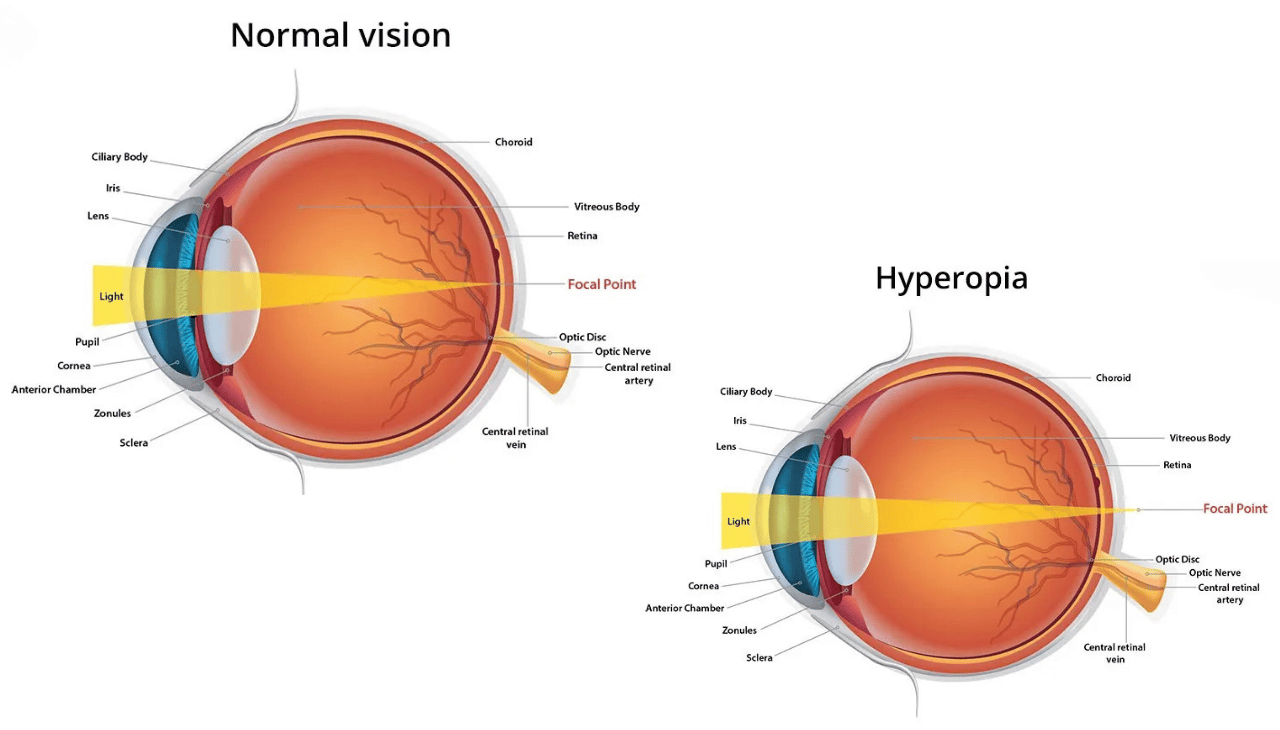
Hypermetropia occurs when the light entering the eye is focused behind the retina, rather than directly on it. This happens when the eyeball is too short, or the cornea has too little curvature. The result is blurry vision, especially for near objects, as the eye struggles to focus the image correctly.
Key concepts:
- Farsightedness: The term hypermetropia refers to a condition where close-up objects appear blurry, while distant objects are seen clearly.
- Retina: The light-sensitive layer at the back of the eye where images are focused and processed.
Causes and Symptoms of Hypermetropia
Hypermetropia can develop due to several factors, often related to the anatomy of the eye. Some of the common causes include:
- Genetics: Farsightedness often runs in families, so if your parents have the condition, you might be more likely to develop it too.
- Eye Shape: As mentioned, an eye that is too short can cause light to focus behind the retina, leading to hypermetropia.
- Age-Related Changes: Over time, the lens of the eye becomes less flexible, making it harder to focus on close objects, which is common in people over 40.
- Medical Conditions: Conditions such as diabetes or high blood pressure can sometimes affect the shape and function of the eye, increasing the risk of developing hypermetropia.
Symptoms typically include:
- Difficulty reading or focusing on nearby objects
- Eye strain or fatigue after prolonged close-up work
- Blurry vision, especially when looking at objects up close
- Headaches from squinting or focusing too hard
Treatment and Solutions for Hypermetropia
While hypermetropia cannot be corrected naturally, there are several ways to manage the condition and restore clear vision.
- Eyeglasses and Contact Lenses: The most common treatment for hypermetropia is corrective eyewear, which helps focus light correctly onto the retina. Eyeglasses are typically prescribed for both near and distant vision.
- Refractive Surgery: Laser surgeries like LASIK and PRK can reshape the cornea, allowing light to focus directly on the retina. These procedures are permanent solutions for many people with hypermetropia.
- Monovision Contact Lenses: For those who do not want to rely on glasses, monovision contact lenses may be an option. One lens is corrected for distance, and the other is adjusted for near vision.
- Lens Implants: In some cases, especially for older patients, intraocular lenses (IOLs) can be implanted during cataract surgery to correct hypermetropia.
Expert Recommendations and Insights
When managing hypermetropia, it’s essential to monitor your symptoms and consult an eye care professional regularly. Regular eye exams will help detect any changes in your vision and prevent potential complications, especially as you age. If you’re unsure whether you have hypermetropia or if your vision has changed, it’s wise to visit an optometrist or ophthalmologist for a thorough eye examination.
It’s also important to practice good eye health. Limiting screen time, taking regular breaks, and practicing eye exercises can reduce the strain on your eyes, especially when working up close.
Consultation at Laxmi Eye Hospital
Laxmi Eye Hospital is one of the largest chains of eye hospitals in Mumbai, known for its excellence in the eye care industry for over 30 years. With experienced eye doctors and a commitment to transparency in treatment, the hospital offers top-notch diagnostic and sophisticated eye care treatments in Panvel, Kharghar, Kamothe, and Dombivli. Whether it’s cataract surgery, LASIK, glaucoma, or retina treatments, Laxmi Eye Institute provides comprehensive care under one roof, ensuring affordability and quality.
Laxmi Eye Hospital specializes in Specs Removal (including Bladeless LASIK, ICL, and IPCL, Contoura Vision LASIK), Cataract Surgery, Glaucoma Treatment, Diabetic Eye Care, Cornea Clinic (for common corneal diseases and keratoconus management), and Pediatric Ophthalmology.
The hospital has one of the longest-running and most reputed cataract surgical training programs, and for the past 25 years, it has been grooming qualified ophthalmologists through specialty fellowships. With internationally recognized expertise, Laxmi Eye Institute is your trusted partner for all your eye care needs.
FAQs about Hypermetropia
- Can hypermetropia go away on its own?
No, hypermetropia does not typically resolve on its own. Treatment, such as glasses, contacts, or surgery, is necessary to correct vision. - What age does hypermetropia typically develop?
It can occur at any age, but symptoms may become more noticeable in your 40s as the eye’s lens begins to lose flexibility. - Is hypermetropia the same as presbyopia?
While both conditions involve difficulty seeing close objects, presbyopia is age-related and typically starts after 40, while hypermetropia can develop earlier and is due to the shape of the eye. - Are there any natural remedies for hypermetropia?
No, there are no natural remedies for hypermetropia. Corrective lenses or surgery are the most effective treatments. - Can LASIK correct hypermetropia?
Yes, LASIK surgery is a popular option for correcting hypermetropia, as it reshapes the cornea to allow light to focus correctly on the retina. - How do I know if I have hypermetropia?
If you experience blurred vision for close-up tasks like reading or using a smartphone, it could be a sign of hypermetropia. A visit to an eye doctor can confirm the diagnosis. - Can hypermetropia cause headaches?
Yes, straining to focus on nearby objects can lead to headaches and eye fatigue, especially in children or older adults. - Is there any way to prevent hypermetropia?
While you can’t prevent hypermetropia, maintaining good eye health through regular eye exams and managing screen time can help reduce symptoms and prevent worsening of vision.
Conclusion
Hypermetropia is a common eye condition that can be managed with the right treatment. Whether through corrective glasses, contact lenses, or surgery, solutions are available to improve vision and quality of life. If you’re experiencing symptoms like blurred vision for close tasks, it’s important to consult an eye care professional. Regular eye exams and timely interventions can help keep your eyes healthy and your vision clear. Don’t hesitate to reach out to a trusted eye specialist for advice on how to manage your hypermetropia and maintain optimal eye health.