Immature Cataract Stages and Treatment Options
Cataract is one of the most common eye conditions that affect vision, especially as people age. Many patients notice cloudy vision or difficulty seeing in bright light, but do not know that the cataract is still in its early or immature phase. The earlier you understand its signs, stages, and treatment options, the better you can manage your eye health. This blog explains what an immature cataract is, how it progresses, treatment choices, and when to consider surgery. You will also learn where to get expert cataract treatment in Mumbai and Navi Mumbai.
What Is an Immature Cataract
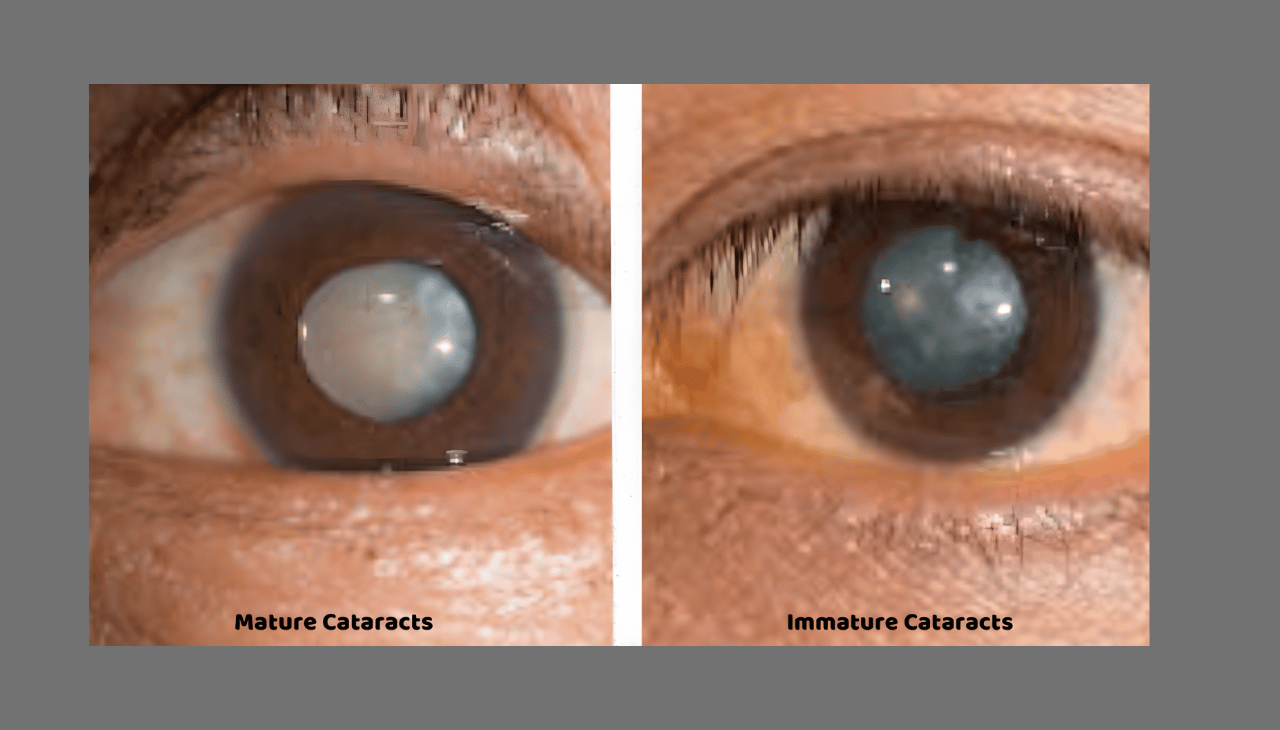
A cataract occurs when the natural lens of the eye becomes cloudy. In the immature stage, the lens is only partly opaque which means some clear vision is still possible. People often ignore symptoms during this phase thinking it is just a minor vision issue. Early diagnosis and treatment planning can prevent sudden deterioration and help save vision quality.
Common signs include:
• Blurry or hazy vision
• Need for brighter light to read
• Difficulty in driving at night
• Glare sensitivity in sunlight
• Frequent change in glasses power
If you have any of these, you may be in the early stage of cataract formation.
Stages of Immature Cataract Development
Cataract formation is a gradual process. Knowing its stages helps patients seek help at the right time.
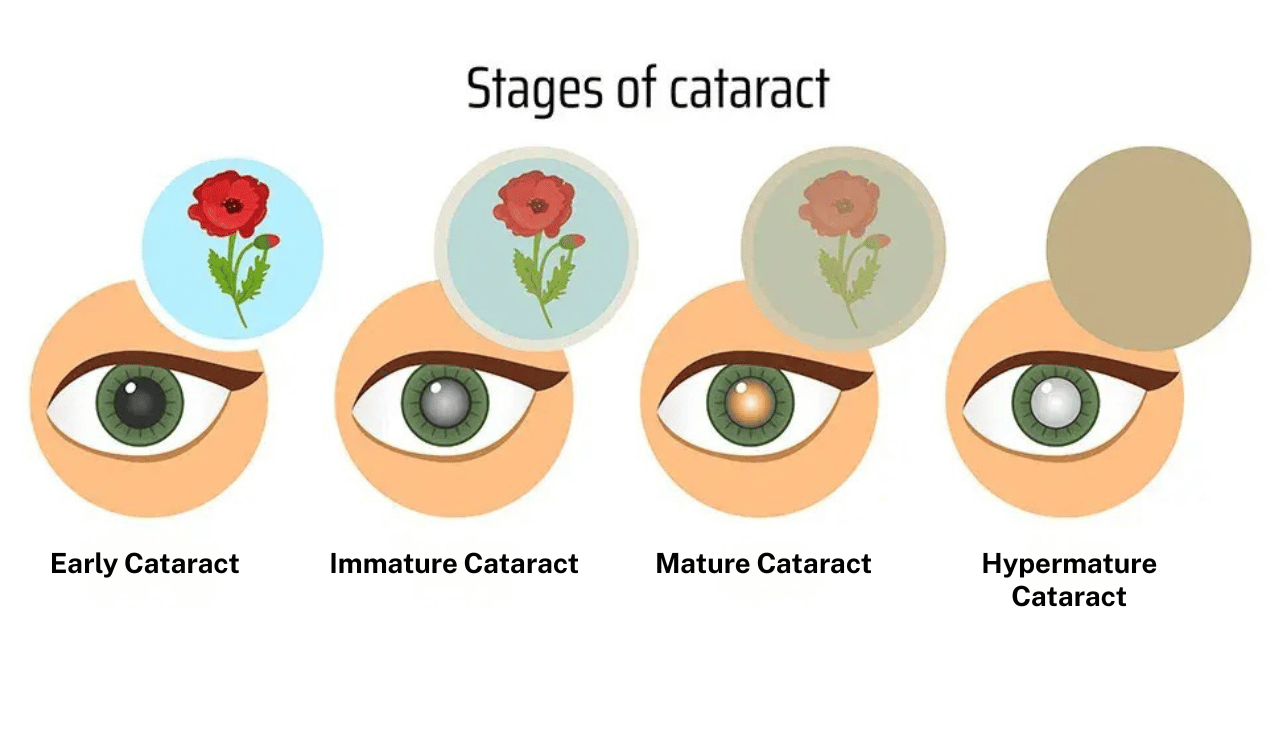
Stage 1: Early Cataract
Vision appears slightly blurred. You may feel your glasses are no longer giving perfect clarity. Reading small text becomes tiring. The lens begins to lose its transparency but daily activities are still manageable.
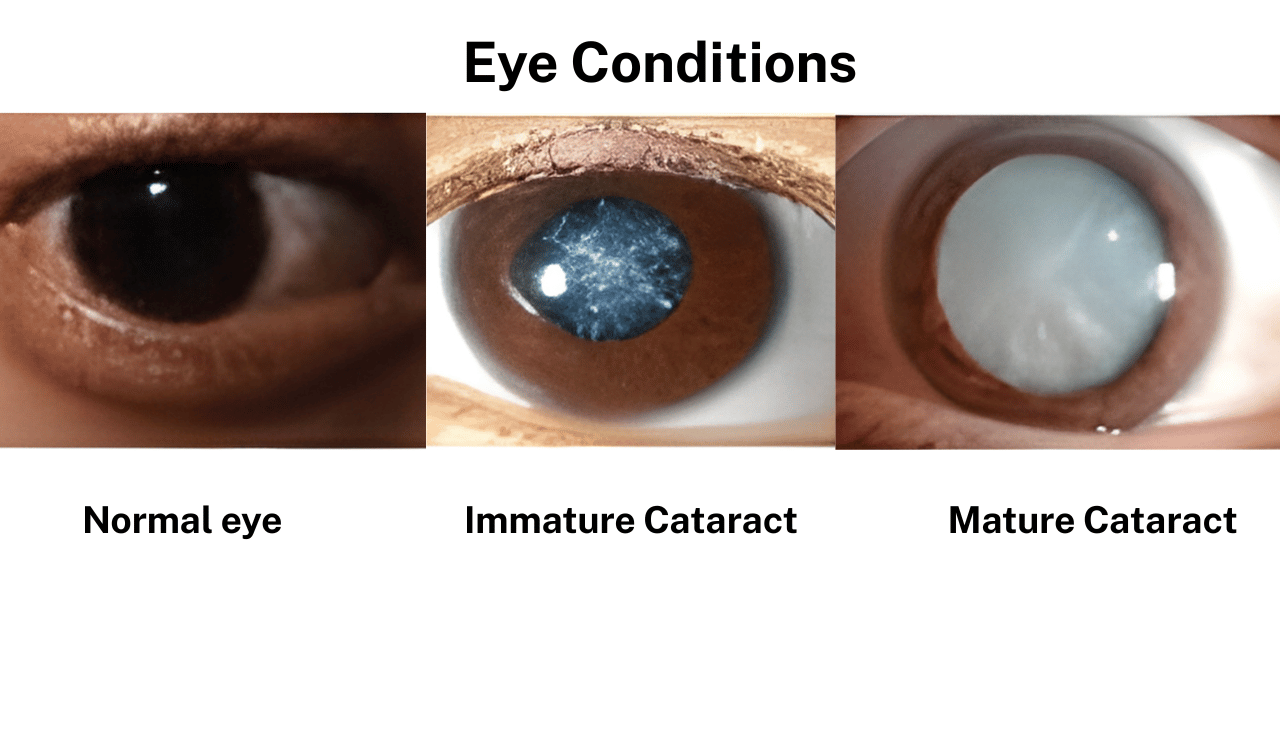
Stage 2: Immature Cataract
This is the most noticeable stage for most patients. The lens becomes more cloudy. Vision becomes dull. You may see halos around lights or feel discomfort in bright sunlight. A stronger prescription may work for a short time, but vision continues to drop.
Stage 3: Mature Cataract
The lens becomes fully opaque. Vision reduces sharply. You may see only shadows or shapes. Surgery becomes the only way to restore clarity.
Stage 4: Hypermature Cataract
If left untreated for long, protein in the lens may leak and cause inflammation or glaucoma. This can turn into an emergency. Seeking treatment before this stage is highly recommended.
Symptoms You Should Not Ignore
• Cloudy or fog-like vision
• Difficulty recognizing faces
• Trouble using computer or phone for long
• Light scattering while driving at night
• Colors appear faded or yellowish
• Double vision in one eye
Ask yourself, do you face any of these often? If yes, it is time to get your eyes checked. Early evaluation improves treatment outcomes.
Causes and Risk Factors
Age is the main cause. Natural proteins in the eye lens break down with time. But immature cataract can also appear in younger adults. Risk increases with:
• Diabetes
• Long-term steroid use
• Excessive UV exposure
• Eye injury
• Smoking
• Family history
• Poor nutrition
Including leafy vegetables, vitamin-rich foods, and using UV-protected sunglasses may support better eye lens health.
Available Treatment Options
Treatment depends on how much cataract is affecting your routine. Eye specialists usually begin with non-surgical management in the early phase.
Non-surgical Management
• Updated prescription glasses
• Antiglare glasses for comfort
• Proper lighting while reading
• Regular eye check-ups to monitor progression
This approach works only if symptoms are mild.
Surgical Treatment
Once cataract starts interfering with daily activities, surgery is considered. Cataract surgery is safe and one of the most successful eye surgeries.
Types of cataract surgeries:
• Phacoemulsification
Small incision procedure. Lens is broken using ultrasound and replaced with an artificial intraocular lens (IOL).
• Bladeless Laser Cataract Surgery
Laser is used for precise cuts. Offers quick recovery and predictable results.
• SICS (Small Incision Cataract Surgery)
Used in selected cases. Cost effective and suitable in advanced cataract conditions.
The choice of lens plays an important role in visual outcome. Monofocal, multifocal, toric, EDOF are available lens options that your surgeon will explain based on your eye health and lifestyle needs.
Recovery and Aftercare
Most patients return to routine life in a few days. Doctors recommend taking care for faster healing.
• Avoid rubbing or touching the eye
• Use prescribed eye drops on time
• Wear protective glasses outdoors
• Avoid heavy lifting for some days
• Attend follow-up appointments without fail
Clear vision improves gradually. Many patients experience brighter colors and sharpness after surgery.
When Should You See an Eye Doctor
If blurry vision begins to affect your reading, work, travel or daily comfort, it is the right time to meet a specialist. Waiting for cataract to become mature is not necessary today. Modern procedures allow treatment in the immature stage itself.
Early treatment means:
• Better visual outcomes
• Faster recovery
• Lower risk of complications
• Improved quality of life
Consultation for Cataract Treatment at Laxmi Eye Institute
Laxmi Eye Hospital is among the leading eye care chains in Mumbai with over 30 years of trusted service. With experienced eye specialists and transparent treatment practices, the hospital offers complete diagnostic and advanced eye care solutions across Panvel, Kharghar, Kamothe, and Dombivli. The institute is known for its reputed cataract surgical training programs like SICS and Phacoemulsification, along with fellowship training for ophthalmologists for more than 25 years. Services include Specs Removal LASIK, Cataract Surgery, Glaucoma care, Retina and Diabetic Eye treatment, Cornea Clinic, Eye Donation guidance, and Pediatric Ophthalmology, helping patients receive comprehensive care in one place. Appointments can be booked at any of their branches located in Dombivli, Kharghar, Panvel, and Kamothe.
Patients can book appointments through call, website, or by visiting the nearest branch.
Frequently Asked Questions
1. Can immature cataract be reversed
No. The cloudy lens cannot become clear again. Progress can be slow in some people.
2. Do I need surgery in the immature stage
If vision issues affect routine work, reading, driving or comfort, surgery is a good option.
3. How long does cataract surgery take
Around 10 to 20 minutes in most cases. Patients return home the same day.
4. Is cataract surgery painful
Doctors use anesthesia drops. You may feel slight pressure but not pain.
5. Which lens is better for cataract surgery
Lens type depends on eye condition and lifestyle. Your surgeon will guide you.
Maintaining eye health becomes easier when you recognize cataract symptoms early. Understanding the immature stage helps you seek treatment at the right time instead of waiting for vision to worsen. If you or someone in your family is facing cloudy vision or difficulty seeing in light, consider an expert evaluation. A clear diagnosis and timely treatment can protect vision quality for years. For trusted cataract care and surgery, Laxmi Eye Hospital offers guidance, advanced treatment options, and supportive post-surgery care across multiple locations.
Let clearer vision be your goal.