
What Is Pingueculitis?
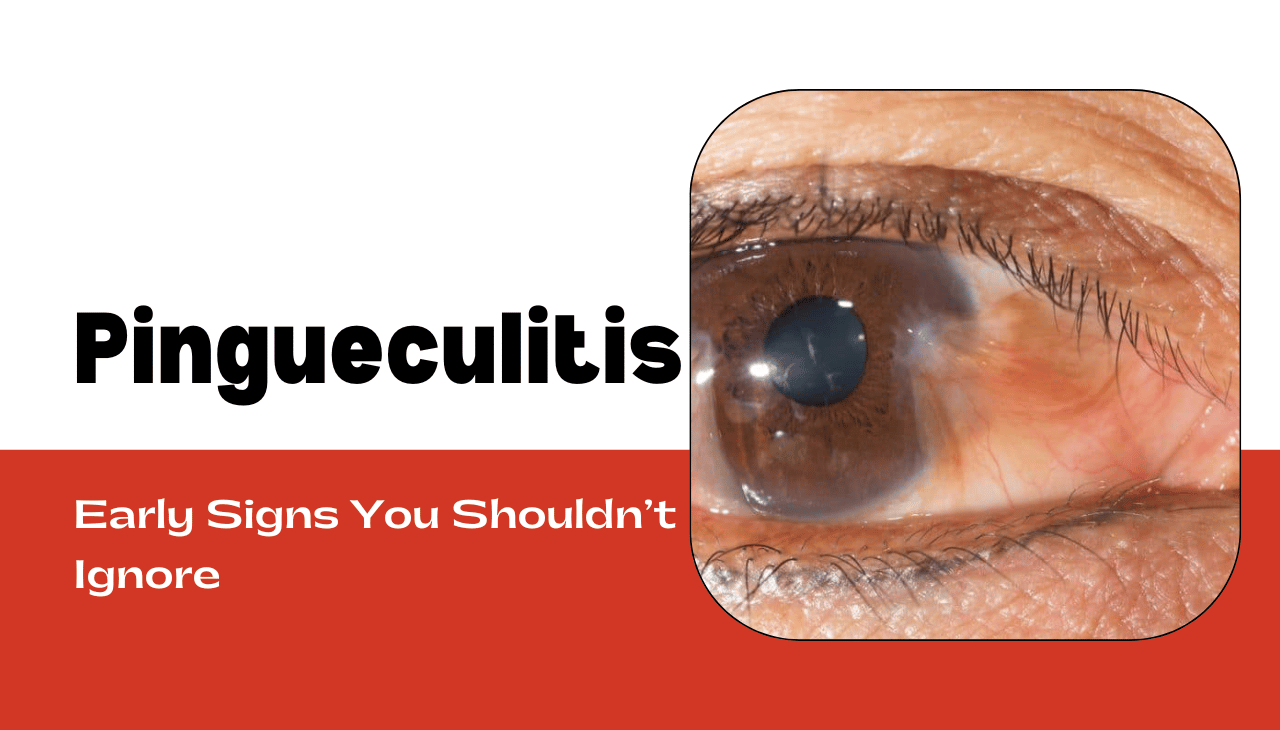
Have you noticed a small yellowish bump on the white part of your eye that sometimes turns red and irritated? You might be dealing with pingueculitis. Many people ignore early eye changes, thinking they are minor or temporary. But certain conditions, like pingueculitis, can worsen without proper care. This blog explains what pingueculitis is, why it develops, the early signs you should not ignore, and the treatment options available. You will also learn when to seek medical help and how to protect your eyes.
Understanding the Basics of Pingueculitis
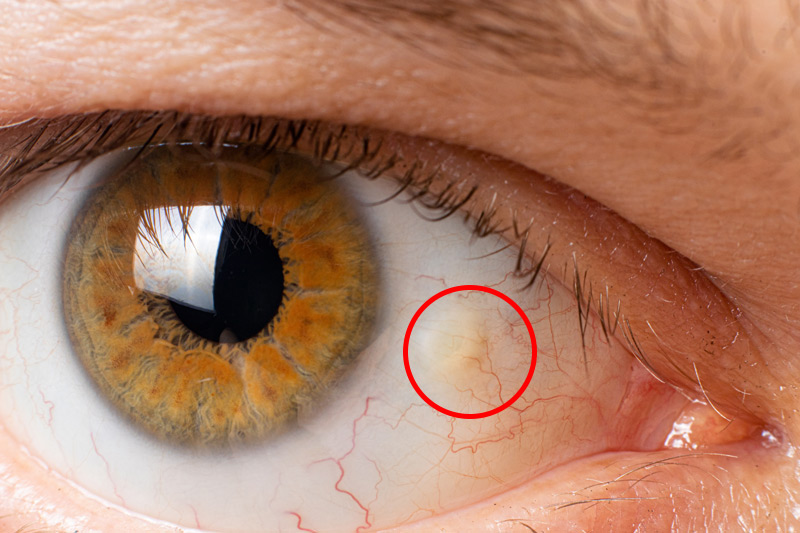
Pingueculitis is the inflammation of a pinguecula.
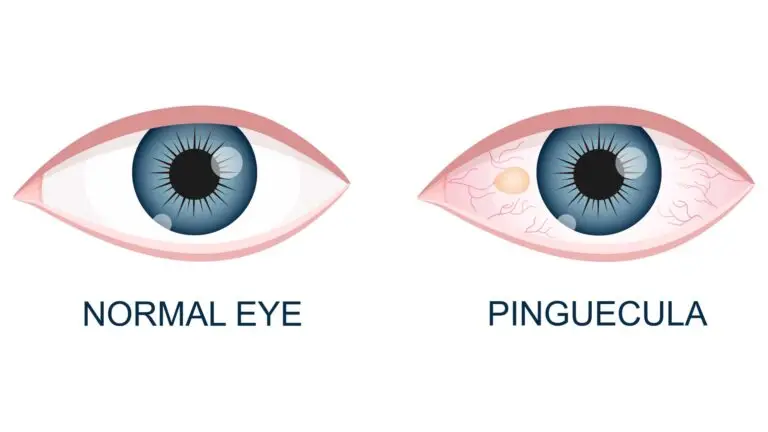
A pinguecula is:
- A small, yellowish, raised growth
- Found on the white part of the eye
- Usually located near the nose side of the eye
It forms due to changes in the conjunctiva, the thin tissue that covers the white part of your eye. Over time, exposure to sunlight, dust, and wind causes this tissue to thicken.
A pinguecula itself is not dangerous. Many people have it without discomfort.
Pingueculitis occurs when that growth becomes inflamed. This leads to redness, irritation, and a feeling that something is stuck in your eye.
It is important to understand that pingueculitis is not an infection. It is an inflammatory reaction. That is why proper diagnosis matters before using any eye drops.
Causes and Early Signs You Shouldn’t Ignore
Common Causes
Pingueculitis often develops due to long-term environmental exposure. The main triggers include:
- Prolonged exposure to UV rays
- Dry and dusty climates
- Wind exposure
- Air pollution
- Chronic dry eyes
If you spend a lot of time outdoors without sunglasses, your risk increases. Farmers, drivers, construction workers, and outdoor sports enthusiasts often experience this condition.
Early Signs
The symptoms can start mildly and gradually increase. Watch for:
- Redness in one area of the eye
- A yellowish bump on the white part
- Mild burning sensation
- Itching
- Gritty feeling, like sand in your eye
- Watering or mild swelling
You may also notice discomfort while blinking.
Do you feel irritation that does not improve with rest? Does your eye look red near a small raised patch? These signs should not be ignored.
When untreated, repeated inflammation can lead to frequent flare-ups. In rare cases, it may grow larger and affect vision.
Treatment Options and Best Practices
The good news is that pingueculitis is treatable. Early treatment reduces discomfort and prevents recurrence.
Medical Treatment
An eye specialist may recommend:
- Lubricating eye drops to reduce dryness
- Anti-inflammatory eye drops
- Short-term steroid drops in severe cases
You should never use over-the-counter steroid drops without medical advice. Incorrect use can cause complications.
Home Care Tips
You can support healing with simple steps:
- Wear UV-protective sunglasses
- Use artificial tears regularly
- Avoid rubbing your eyes
- Protect your eyes from dust and wind
- Take screen breaks to reduce dryness
If your work exposes you to outdoor elements, protective eyewear is necessary.
Surgery is rarely required. It is considered only if the growth becomes large, persistent, or cosmetically concerning.
Prevention and Expert Advice
Prevention plays a key role in managing pingueculitis.
Here is what you can do:
- Choose sunglasses that block 100 percent UV rays
- Use hats with brims when outdoors
- Keep your eyes moist in air-conditioned rooms
- Stay hydrated
- Get routine eye check-ups
People with dry eye syndrome are more prone to inflammation. If you already have dryness, treating it reduces flare-ups.
Regular eye examinations help detect early changes before symptoms worsen. Early intervention prevents repeated irritation.
Ask yourself: When was your last eye check-up? Even mild redness deserves attention.
Consultation at Laxmi Eye Institute
Laxmi Eye Institute is one of the largest chains of eye hospitals in Mumbai. Known for its excellence in eye care for more than 30 years, it has built trust through experienced eye doctors and transparent treatment approaches.
The hospital offers advanced diagnostic and eye care treatment in Panvel, Kharghar, Kamothe, and Dombivli. Whether you need care for cataract, LASIK, glaucoma, or retina treatment, you can access comprehensive services under one roof at an affordable cost.
If you notice symptoms of pingueculitis or any eye discomfort, consulting a qualified ophthalmologist ensures accurate diagnosis and proper treatment.
FAQs
1. Is pingueculitis the same as conjunctivitis?
No. Pingueculitis is inflammation of a pinguecula. Conjunctivitis is inflammation of the entire conjunctiva, often due to infection or allergy.
2. Can pingueculitis affect vision?
In most cases, it does not affect vision. If the growth becomes large or spreads toward the cornea, it may cause visual disturbance.
3. Is pingueculitis contagious?
No. It is not caused by bacteria or viruses and cannot spread from one person to another.
4. How long does pingueculitis last?
With proper treatment, symptoms often improve within a few days to a week.
5. Can it come back?
Yes. Repeated exposure to sunlight and dust can trigger flare-ups. Protective measures reduce recurrence.
6. Do I need surgery for pingueculitis?
Surgery is rarely required. It is considered only when symptoms are persistent or the growth becomes large.
7. Are home remedies enough?
Mild cases may improve with lubricating drops and protection from sunlight. Persistent redness or pain requires medical evaluation.
Conclusion
Pingueculitis may seem minor at first, but early signs like redness, irritation, and a raised yellow patch should not be ignored. Long-term exposure to sunlight and environmental irritants plays a major role in its development.
With early diagnosis, simple treatments and protective habits can control symptoms and prevent recurrence. If your eyes feel irritated or look persistently red, do not delay professional care. Your vision deserves attention and timely action.