

Corneal Ulcers
Corneal ulcers are a serious eye condition that can affect anyone, but with proper care and treatment, they can be managed effectively. A corneal ulcer is an open sore that forms on the cornea, often caused by an infection, injury, or underlying condition. If left untreated, this condition can lead to severe vision problems, or even blindness. Therefore, knowing how to manage and treat a corneal ulcer is crucial for a fast recovery. In this blog, we will explore the causes, symptoms, treatment options, and expert tips for managing corneal ulcers. We will also highlight the importance of seeking professional care from a trusted eye hospital like Laxmi Eye Hospital for the best outcomes.
Understanding Corneal Ulcers
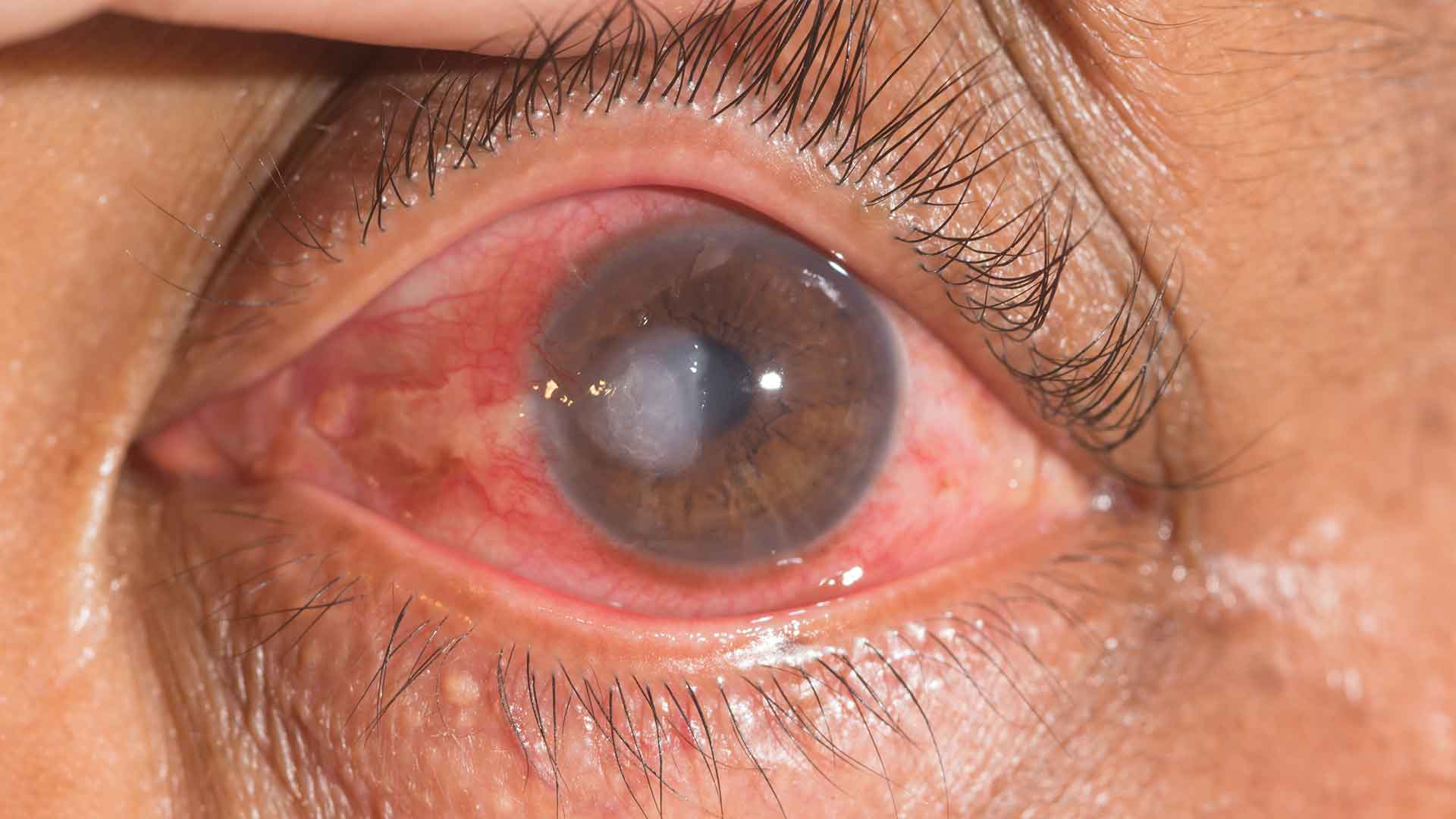
- What is a Corneal Ulcer?
A corneal ulcer is a painful, open wound on the cornea, which is the clear, dome-shaped tissue that covers the front of the eye. This ulcer can be caused by infections such as bacteria, viruses, or fungi, or by physical injury to the eye. In severe cases, corneal ulcers can compromise vision and cause permanent scarring. - Causes of Corneal Ulcers
Several factors can lead to the development of corneal ulcers, including:- Infections: Bacterial, viral, and fungal infections are common causes.
- Eye Trauma: Injuries like scratches or chemical burns can lead to ulcer formation.
- Dry Eyes: People with dry eyes are more prone to developing corneal ulcers due to a lack of moisture and protection.
- Contact Lens Use: Improper use or poor hygiene of contact lenses can increase the risk of infection and ulcers.
Symptoms of Corneal Ulcers
The symptoms of a corneal ulcer can range from mild irritation to severe pain. Common symptoms include:
- Redness and Pain: The eye becomes red and painful, especially when exposed to light.
- Blurred Vision: Vision can become cloudy or blurry, sometimes even leading to complete loss of vision in the affected eye.
- Tearing and Discharge: Excessive tearing, along with discharge or pus, can be observed.
- Light Sensitivity: The eye becomes sensitive to light, making it difficult to see comfortably.
If you notice any of these symptoms, it’s essential to seek professional treatment immediately to avoid complications.
Treatment Options for Corneal Ulcers

- Antibiotics and Antifungal Medications
The treatment for corneal ulcers primarily depends on the cause. If the ulcer is caused by a bacterial or fungal infection, your doctor will prescribe topical antibiotics or antifungal medications to treat the infection and prevent further damage to the eye. - Antiviral Treatments
If the ulcer is caused by a viral infection, antiviral medications may be prescribed. Herpes simplex virus, a common cause of viral corneal ulcers, requires specific antiviral therapy for effective healing. - Pain Relief
Corneal ulcers can be very painful. To manage the pain, doctors may recommend anti-inflammatory medications or pain relief drops. In some cases, a bandage contact lens may be used to protect the cornea and alleviate discomfort. - Surgery for Severe Ulcers
In rare cases where the ulcer is severe and causing significant damage to the cornea, surgery may be necessary. This could involve corneal transplantation, where a donor cornea is used to replace the damaged part of the cornea.
Expert Tips for Managing Corneal Ulcers
- Follow Prescribed Treatment: Always take the medications prescribed by your doctor, and follow their advice carefully. Skipping doses or stopping treatment too early can worsen the condition.
- Avoid Contact Lenses: If you wear contact lenses, it’s important to stop using them immediately until your eye doctor clears you to do so. Contact lenses can aggravate the condition and increase the risk of further infection.
- Use Eye Protection: Protect your eyes from dust, smoke, or bright light. Wearing sunglasses can help with light sensitivity and reduce irritation.
- Maintain Hygiene: If you have been prescribed antibiotic or antiviral eye drops, ensure that the dropper does not touch your eye or any surface. Wash your hands before and after applying drops to prevent further infection.
- Avoid Touching Your Eyes: Refrain from rubbing or touching your eyes, as this can lead to further damage or infection.
- Attend Follow-Up Appointments: Regular check-ups with your eye doctor are essential to monitor the progress of your treatment and ensure that the ulcer is healing properly.
Why Laxmi Eye Hospital is Your Best Choice for Corneal Ulcer Treatment
At Laxmi Eye Hospital, we have been providing exceptional eye care in Mumbai for over 30 years. Our experienced ophthalmologists are known for their expertise in diagnosing and treating a wide range of eye conditions, including corneal ulcers. With advanced diagnostic tools and treatment options, we ensure that every patient receives the best possible care. We specialize in cornea care, and our expert team is committed to helping you recover quickly and effectively.
Laxmi Eye Hospital offers comprehensive eye care services, including:
- Specs Removal / LASIK
- Cataract Surgery
- Glaucoma Management
- Diabetic Eye Care
- Cornea Clinic (Keratoconus and Common Corneal Diseases)
- Retina Treatment
- Pediatric Ophthalmology
You can visit our branches in Panvel, Kharghar, Kamothe, and Dombivli for consultation and treatment.
FAQs About Corneal Ulcers
- Can a corneal ulcer cause permanent vision loss?
Yes, if left untreated or not managed properly, corneal ulcers can cause permanent scarring and vision loss. - How long does it take to recover from a corneal ulcer?
Recovery time depends on the severity of the ulcer. With proper treatment, most ulcers heal within 1-2 weeks. - Is a corneal ulcer contagious?
If the ulcer is caused by a bacterial or viral infection, it may be contagious. Avoid touching your eye and maintain good hygiene. - Can I wear contact lenses if I have a corneal ulcer?
It is recommended to avoid wearing contact lenses until your doctor clears you for use. Contact lenses can worsen the condition. - When should I see a doctor for a corneal ulcer?
If you experience symptoms like pain, redness, or blurry vision, seek medical attention immediately to prevent further complications.
Conclusion
Corneal ulcers are a serious eye condition that require immediate attention to prevent permanent damage. With proper diagnosis, treatment, and care, most people recover fully. It’s important to follow your eye doctor’s instructions and attend regular check-ups to ensure optimal healing. If you suspect you have a corneal ulcer, don’t delay in seeking medical help. Visit Laxmi Eye Hospital, where our expert ophthalmologists provide top-notch care for corneal ulcers and other eye conditions. Your eye health is in good hands with us, and we are here to guide you through a smooth and speedy recovery.
For consultation, you can visit our branches in Panvel, Kharghar, Kamothe, and Dombivli or book an appointment online. Let us help you restore your vision and maintain your eye health with the best in medical care.