
Introduction
Your eyes are your window to the world—but when was the last time you had them thoroughly examined? In today’s screen-heavy lifestyle, a complete eye examination is more essential than ever. Whether it’s blurry vision, headaches, or difficulty focusing, many eye issues go unnoticed until they significantly impact daily life. This blog, guided by insights from experts at Laxmi Eye Institute, will explain what a complete eye exam involves, why it’s important, what symptoms to look out for, and when to seek help.
Understanding a Complete Eye Examination
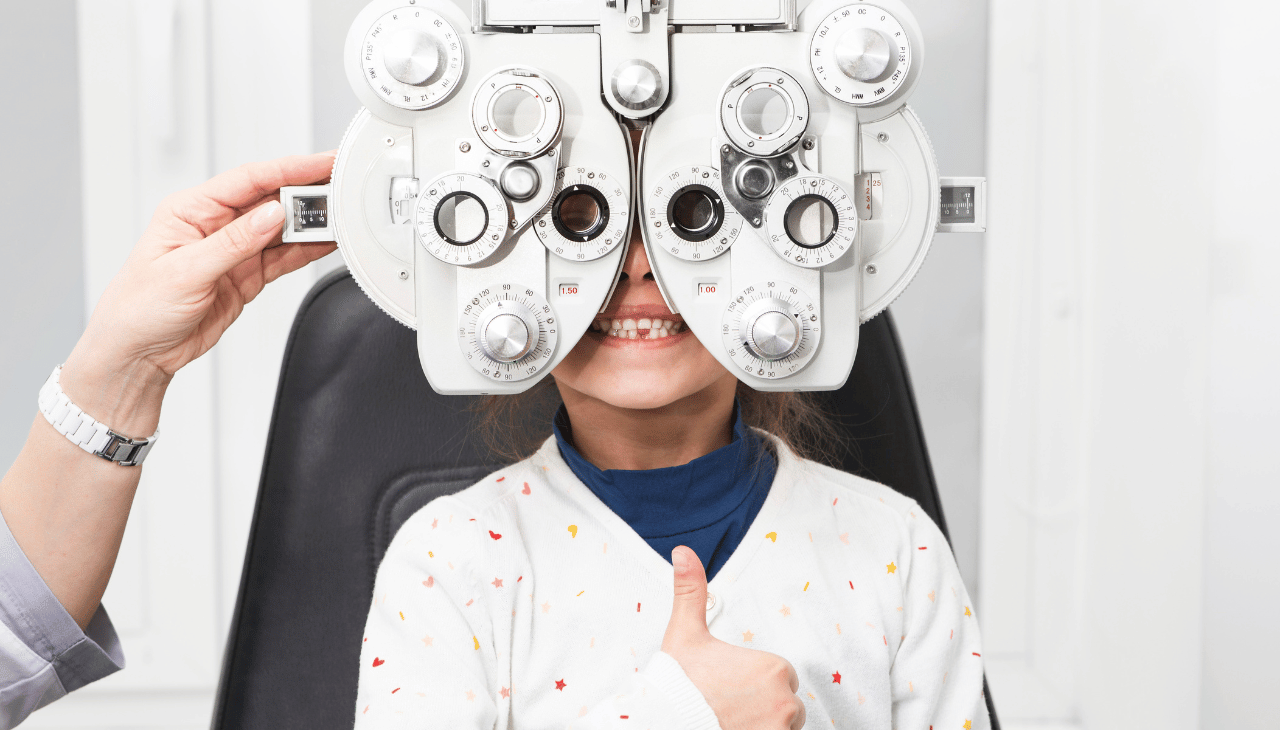
A complete eye examination is more than just a vision test—it is a comprehensive evaluation of your eye health, performed by a qualified ophthalmologist or optometrist. It includes:
- Visual acuity test – measures how clearly you see.
- Refraction assessment – determines your correct eyeglass prescription.
- Slit-lamp examination – checks the structures at the front of the eye.
- Tonometry – measures eye pressure to screen for glaucoma.
- Retinal examination – evaluates the retina, optic nerve, and blood vessels.
The goal of the exam is not just to correct vision but to detect early signs of serious eye conditions like cataract, glaucoma, diabetic retinopathy, and macular degeneration.
Common Symptoms & Eye Concerns
Many eye conditions develop silently. However, being aware of symptoms can prompt timely medical intervention. Some signs to watch for include:
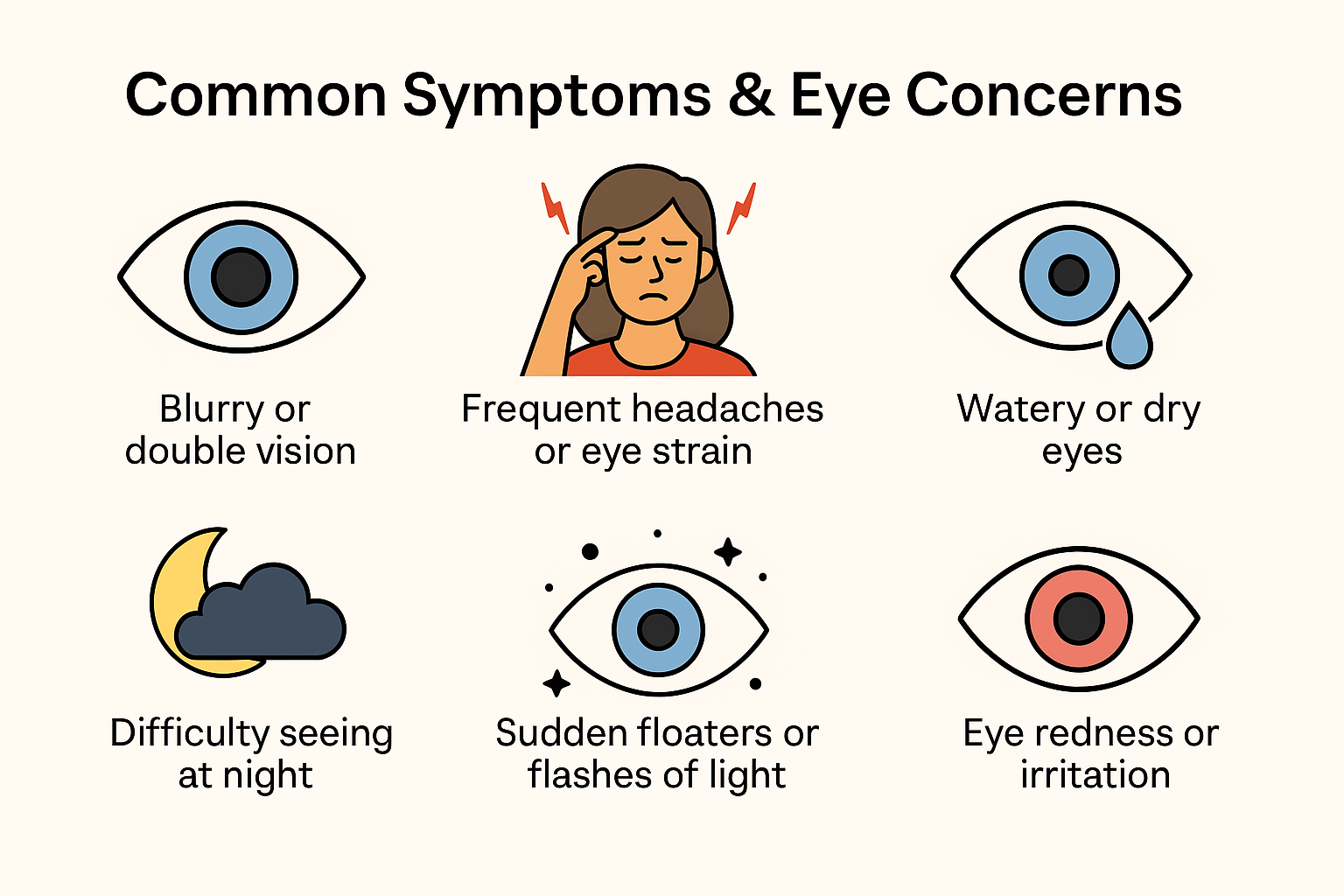
- Blurry or double vision
- Frequent headaches or eye strain
- Watery or dry eyes
- Difficulty seeing at night
- Sudden floaters or flashes of light
- Eye redness or irritation
These symptoms may indicate underlying issues like glaucoma, refractive errors, or even retinal detachment, all of which need immediate attention.
Treatments & Solutions
Depending on the diagnosis, treatment may range from simple eyeglasses to advanced surgical interventions. At Laxmi Eye Institute, the following solutions are commonly recommended:
- Spectacle Removal Options:
- Bladeless LASIK, Contoura Vision LASIK, ICL & IPCL for clear vision without glasses.
- Bladeless LASIK, Contoura Vision LASIK, ICL & IPCL for clear vision without glasses.
- Cataract Surgery:
- Advanced Phacoemulsification technique with premium intraocular lens options.
- Advanced Phacoemulsification technique with premium intraocular lens options.
- Glaucoma Management:
- Eye pressure control through medications, laser treatments, or surgery.
- Eye pressure control through medications, laser treatments, or surgery.
- Diabetic Eye Care:
- Regular retinal screenings, laser therapy, and intravitreal injections.
- Regular retinal screenings, laser therapy, and intravitreal injections.
- Pediatric Ophthalmology:
- Special care for childhood vision problems such as lazy eye and squint.
- Special care for childhood vision problems such as lazy eye and squint.
- Cornea & Retina Care:
- Treating keratoconus, managing corneal infections, and handling complex retinal disorders.
- Treating keratoconus, managing corneal infections, and handling complex retinal disorders.
These treatments are performed using the latest technology and best practices under expert supervision, ensuring precision and safety.
Expert Tips from Laxmi Eye Specialists
The ophthalmologists at Laxmi Eye Institute share these valuable tips for maintaining good eye health:
- Follow the 20-20-20 Rule: Every 20 minutes, look at something 20 feet away for 20 seconds to reduce digital eye strain.
- Never ignore eye symptoms: Early intervention can prevent irreversible damage.
- Control chronic conditions: Manage diabetes, hypertension, and cholesterol to protect your eyes.
- Get regular eye check-ups: Especially after age 40 or if you have a family history of eye disease.
- Wear UV protection: Sunglasses that block 100% UVA and UVB rays help prevent cataracts and macular degeneration.
Consultation at Laxmi Eye Institute
Laxmi Eye Hospital is a trusted name in eye care for over 30 years, offering a full range of diagnostic and treatment options. With a reputation for transparency, clinical excellence, and advanced technology, Laxmi Eye Institute is the go-to eye hospital for thousands across Mumbai and Navi Mumbai.
The hospital has also trained countless ophthalmologists through one of the most reputed cataract surgical training programs, including SICS and Phacoemulsification. It specializes in:
- Specs Removal / LASIK (Bladeless LASIK, ICL and IPCL, Contoura Vision)
- Cataract
- Glaucoma
- Diabetic Eye
- Retina Treatment
- Pediatric Ophthalmology
- Cornea Clinic & Eye Donation Programs
Clinic Locations & Booking Details:
- Laxmi Eye Clinic (Dombivli):
1st Floor, SS Business Park, Gharda Circle, Azde Gaon, Dombivli East, Mumbai, Maharashtra 421201 - Laxmi Eye Clinic (Kharghar):
Office 108–110, Anant CHS, Plot 31, Sector 04, Kharghar, Navi Mumbai, Maharashtra 410210 - Laxmi Eye Hospital & Institute (Panvel):
Mulla Hamid Rd, Old Panvel, Navi Mumbai, Maharashtra 410206 - Laxmi Eye Institute (Kamothe):
Shop 26/27, Near ICICI Bank, Pratik Gardens, Sector 34, Kamothe, Navi Mumbai, Maharashtra 410209
To book an appointment, visit the nearest clinic or call their dedicated helpline available on their official website.
FAQs
Q1. How often should I get a complete eye exam?
A: Ideally once every year, or more frequently if you have an existing condition or are above 40.
Q2. Is a complete eye exam painful?
A: No, it’s a non-invasive and comfortable process. Dilation drops may blur your vision temporarily.
Q3. What’s the difference between an optometrist and ophthalmologist?
A: An optometrist checks vision and prescribes glasses, while an ophthalmologist is a medical doctor who can diagnose and treat eye diseases, including performing surgeries.
Q4. Is LASIK safe for everyone?
A: LASIK is safe for most adults with stable vision, but not recommended for those with certain corneal conditions or autoimmune diseases.
Q5. Can kids undergo complete eye exams?
A: Yes, and it’s recommended. Early detection of issues like lazy eye or squint can prevent long-term vision problems.
Q6. What should I bring to my eye exam?
A: Bring your current glasses, a list of medications, previous reports, and your insurance card if applicable.
Q7. Can I drive after dilation?
A: It’s advised not to drive immediately post-dilation due to temporary light sensitivity and blurred vision.
Q8. Do digital screens really affect vision?
A: Yes, prolonged exposure can cause eye strain, dryness, and even affect sleep. Regular breaks and anti-glare screens help.
Conclusion
Your vision is precious, and a complete eye examination is a powerful step in safeguarding it. With advanced diagnostics, experienced professionals, and patient-centric care, Laxmi Eye Institute ensures you receive the best possible treatment tailored to your needs. Don’t wait for symptoms—proactive eye care is the key to lasting vision.
Take the first step today. Book your consultation with Laxmi Eye Experts and give your eyes the care they truly deserve.