Dry Eye Treatment in Mumbai
Dry eye syndrome, a condition affecting millions of people worldwide, is often overlooked despite its potential to significantly impact daily life. If you are experiencing discomfort in your eyes, frequent irritation, or blurred vision, it may be a sign of dry eyes. Understanding this condition and its treatment options is crucial to maintaining eye health and improving your quality of life.
In this blog, we will explore the basics of dry eye syndrome, common symptoms and causes, effective treatment options, and expert recommendations. We will also highlight the services offered by Laxmi Eye Hospital, one of the leading eye care institutions in Mumbai.
What is Dry Eye Syndrome?
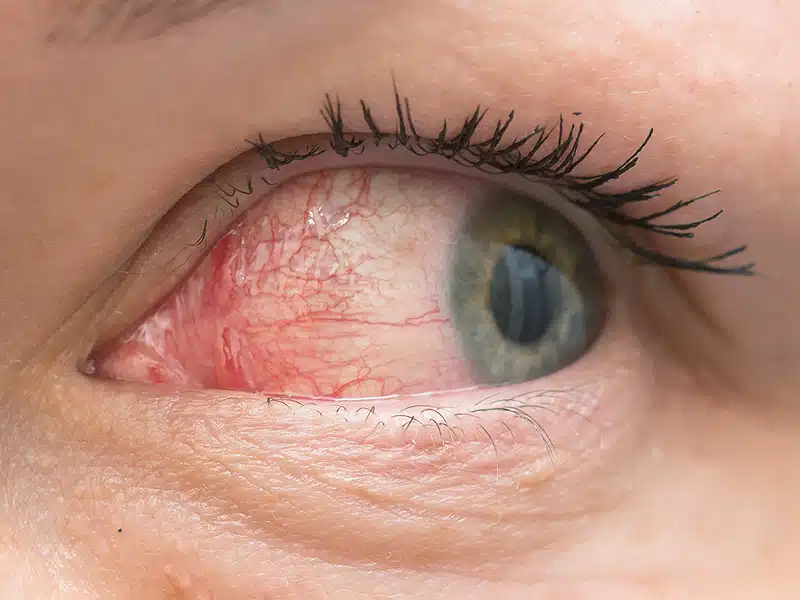
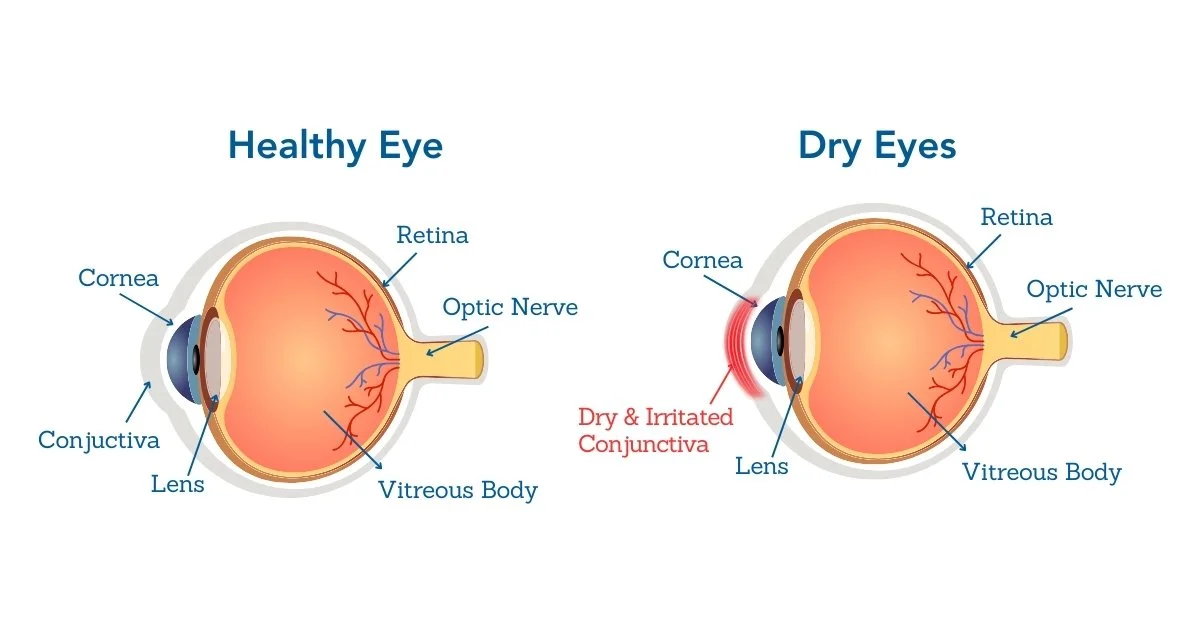
Dry eye syndrome occurs when the eyes do not produce enough tears or the right quality of tears to keep the eyes moist. This leads to irritation, inflammation, and discomfort in the eyes. Tears are essential for eye lubrication, protecting the eyes from infection and providing clear vision.
When the tear production decreases or the composition of the tears changes, dry eye symptoms can occur. This condition is common, especially among people over 50, but it can affect individuals of any age. Dry eye syndrome can interfere with daily activities such as reading, working on a computer, and even driving, making treatment crucial.
Causes and Symptoms of Dry Eye
Common Causes of Dry Eye Syndrome
Dry eye syndrome can be triggered by various factors. Some common causes include:
- Aging: As we age, tear production naturally decreases, making older individuals more susceptible to dry eyes.
- Environmental factors: Exposure to wind, smoke, air conditioning, or dry climates can exacerbate dry eye symptoms.
- Medications: Certain medications, including antihistamines, decongestants, and birth control pills, can reduce tear production.
- Medical conditions: Conditions such as diabetes, rheumatoid arthritis, and thyroid disorders can affect tear production and quality.
- Digital Eye Strain: Spending long hours in front of digital screens can reduce the number of times you blink, leading to dryness and discomfort.
Symptoms of Dry Eye
The symptoms of dry eye syndrome can range from mild to severe, and they often fluctuate throughout the day. Some common symptoms include:
- A gritty or sandy feeling in the eyes
- Redness and irritation
- Blurry vision
- Excessive tearing (as a reflex to dryness)
- Difficulty wearing contact lenses
- Sensitivity to light
- Eye fatigue, especially after reading or using digital devices
If you are experiencing these symptoms regularly, it’s essential to seek professional care to prevent further complications.
Treatment Options for Dry Eye Syndrome
Effective treatment for dry eye syndrome depends on the severity and underlying cause of the condition. Some common treatment options include:
1. Artificial Tears and Lubricants
Over-the-counter artificial tears or lubricating eye drops can provide relief for mild cases of dry eyes. These drops help replenish tear production and reduce irritation. They are available in various formulations, including preservative-free options for sensitive eyes.
2. Prescription Medications
For more severe cases, a healthcare provider may prescribe medications that increase tear production or reduce inflammation in the eyes. Restasis (cyclosporine A) and Xiidra (lifitegrast) are common prescription eye drops that help treat dry eye symptoms.
3. Punctal Plugs
In some cases, punctal plugs may be recommended. These small devices are inserted into the tear ducts to prevent tears from draining too quickly, keeping the eyes lubricated for a longer period.
4. Lifestyle Changes and Home Remedies
Certain lifestyle changes can help manage dry eyes, such as:
- Frequent breaks: If you work on a computer for extended periods, follow the 20-20-20 rule—take a 20-second break every 20 minutes by looking at something 20 feet away.
- Humidifier: Using a humidifier in dry environments can help maintain moisture in the air, reducing dryness in the eyes.
- Warm compresses: Applying a warm compress to your eyes can help loosen blocked oil glands and improve tear quality.
5. Surgical Treatments
In severe cases of dry eyes, surgical options like punctal occlusion may be considered. This procedure involves sealing the tear ducts to prevent tears from draining too quickly.
Expert Insights on Managing Dry Eye Syndrome
Dry eye syndrome can be managed effectively with the right treatment and lifestyle changes. If you’re suffering from this condition, seeking expert care is essential to ensure you receive the most suitable treatment. Laxmi Eye Hospital, with its advanced diagnostic tools and experienced doctors, offers comprehensive care for dry eye syndrome and other eye conditions.
Laxmi Eye Hospital, one of the largest chains of eye hospitals in Mumbai, has been a trusted name in eye care for over 30 years. With experienced ophthalmologists and a focus on transparency in treatment, the hospital provides state-of-the-art care across its branches in Panvel, Kharghar, Kamothe, and Dombivli. The hospital specializes in various eye treatments, including LASIK, cataract surgery, glaucoma care, retina treatment, and pediatric ophthalmology.
Consultation at Laxmi Eye Hospital
If you are experiencing symptoms of dry eyes, Laxmi Eye Hospital offers a range of treatment options to suit your needs. The hospital’s team of experienced eye doctors, specializing in conditions such as dry eyes, cataract, LASIK, and glaucoma, ensures you receive the best care possible. With a commitment to patient well-being and a holistic approach to treatment, Laxmi Eye Hospital is the ideal place for your eye care needs.
FAQs about Dry Eye Syndrome
1. What are the main causes of dry eye syndrome?
Dry eye syndrome can be caused by aging, environmental factors, medications, medical conditions, and digital eye strain.
2. Can dry eye syndrome cause permanent damage?
If left untreated, dry eye syndrome can lead to complications like eye infections, corneal ulcers, and scarring, potentially leading to vision loss.
3. How can I relieve dry eye symptoms at home?
Using artificial tears, applying warm compresses, and using a humidifier can help manage dry eye symptoms at home.
4. Is LASIK a good option for people with dry eyes?
LASIK surgery can sometimes worsen dry eye symptoms, so it’s essential to consult with an ophthalmologist to determine if LASIK is right for you.
5. Are there any long-term treatments for dry eyes?
For long-term management, treatments such as punctal plugs, prescription medications, and lifestyle changes can help control dry eye symptoms.
Conclusion
Dry eye syndrome is a common condition that can significantly affect your daily life. Identifying the symptoms early and seeking the right treatment is crucial to managing this condition effectively. Whether through artificial tears, prescription medications, or advanced surgical treatments, there are various options available to help alleviate the discomfort caused by dry eyes.
If you are experiencing dry eye symptoms, don’t hesitate to consult with a specialist at Laxmi Eye Hospital for a comprehensive evaluation and personalized treatment plan. With over 30 years of experience, Laxmi Eye Hospital offers the best in eye care and is dedicated to improving your eye health and quality of life.