
Introduction
Seeing two images of a single object is known as diplopia, or double vision. It may occur suddenly or develop gradually. Some causes are related to the eye itself, while others involve the eye muscles, nerves, brain, or other medical conditions.
An important first step is determining whether the double vision is monocular or binocular. This distinction can help an ophthalmologist identify the possible cause and decide whether further neurological or medical evaluation is required.
Sudden double vision should not be ignored, especially when it occurs with headache, weakness, difficulty speaking, abnormal pupils, severe eye pain, or other neurological symptoms.
What is Diplopia?
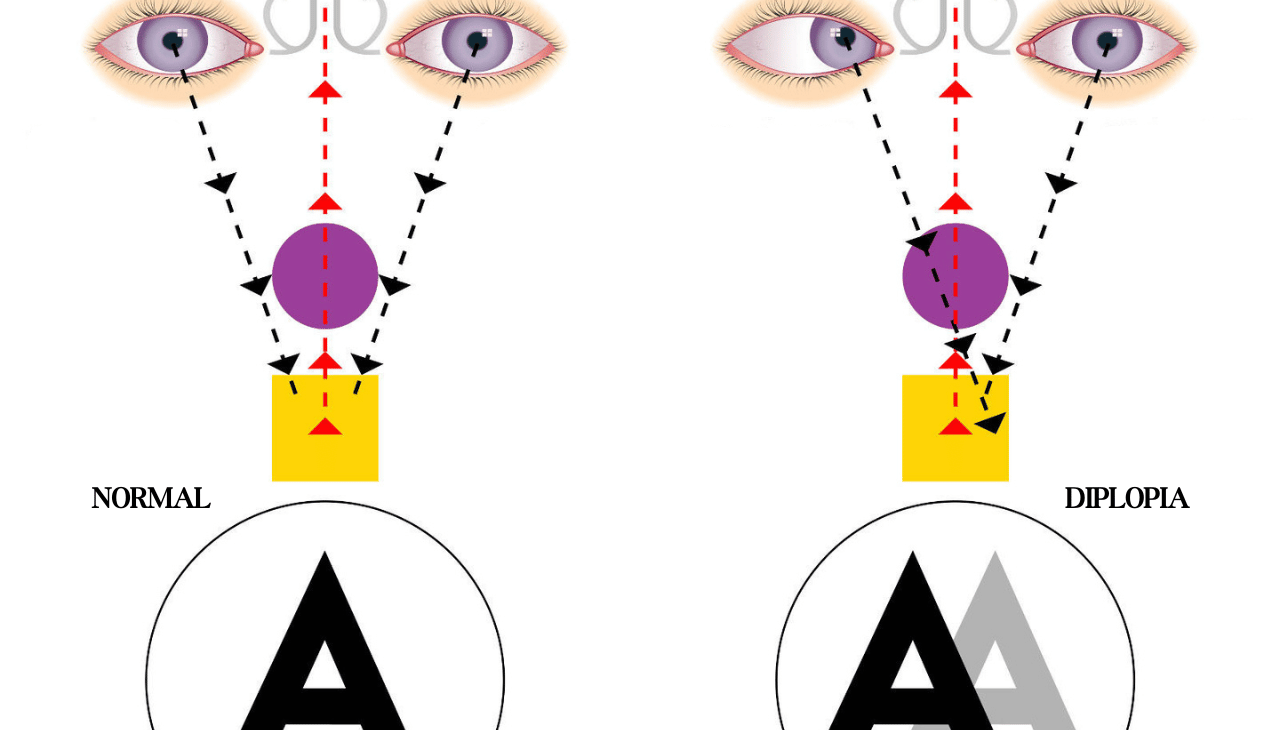
Diplopia is a condition where a person sees two images of a single object simultaneously. These images may appear side by side, on top of each other, or at an angle. It can be classified into two types:
Monocular Diplopia
Monocular diplopia continues in the affected eye even when the other eye is covered.
It is usually associated with a problem within the eye itself. Possible causes include:
- Dry eye or tear-film problems
- Astigmatism or other refractive errors
- Cataract
- Corneal irregularities
- Keratoconus
- Problems affecting the lens or other optical structures of the eye
An ophthalmic examination can help identify the exact cause.
Binocular Diplopia
Binocular diplopia occurs when both eyes are open and usually disappears when either eye is covered.
This generally means that the eyes are not aligning correctly. Possible causes include problems involving the eye muscles, cranial nerves, neuromuscular junction, orbit, or brain.
Common possibilities include:
- Strabismus or squint
- Cranial nerve palsies
- Thyroid eye disease
- Myasthenia gravis
- Head or orbital injury
- Certain neurological conditions
Binocular diplopia requires careful evaluation because some causes may need urgent medical attention.
What Causes Double Vision?
There is no single cause of diplopia. The underlying reason often depends on whether the condition is monocular or binocular and whether it appeared suddenly or gradually.
1. Refractive and Corneal Problems
Irregular focusing of light inside the eye may produce monocular double vision.
Possible causes include:
- Astigmatism
- Keratoconus
- Dry eye
- Corneal irregularity or scarring
Correcting the refractive error or treating the underlying corneal or tear-film problem may improve symptoms.
2. Cataract
A cataract causes clouding of the natural lens of the eye. Changes in the lens can sometimes produce ghosting or monocular double vision.
When a cataract is responsible for significant visual symptoms, an ophthalmologist may recommend cataract surgery after a complete evaluation.
3. Strabismus or Squint
In strabismus, the eyes are not properly aligned. When the brain receives images from eyes pointing in different directions, an adult may experience binocular double vision.
Strabismus can be longstanding or may develop because of nerve, muscle, orbital, or neurological problems.
4. Cranial Nerve Palsies
Eye movements are controlled partly by the third, fourth, and sixth cranial nerves.
A problem affecting one of these nerves can interfere with eye movement and cause binocular diplopia.
Cranial nerve palsies may be associated with conditions such as:
- Diabetes
- High blood pressure
- Vascular disease
- Head injury
- Inflammation
- Compression of a nerve
- Certain neurological conditions
The pattern of double vision and limitation of eye movement can help an ophthalmologist or neuro-ophthalmologist determine which nerve may be affected.
5. Thyroid Eye Disease
Thyroid eye disease can cause inflammation and enlargement of tissues and muscles around the eyes.
Patients may experience:
- Double vision
- Bulging eyes
- Eyelid changes
- Eye discomfort
- Difficulty moving the eyes
Assessment may involve both an eye specialist and a physician or endocrinologist.
6. Myasthenia Gravis
Myasthenia gravis affects communication between nerves and muscles.
When it involves the eye muscles, symptoms may include:
- Fluctuating double vision
- Drooping eyelids
- Eye muscle weakness
Symptoms may change during the day or become more noticeable with fatigue.
7. Neurological Causes
Binocular diplopia can occasionally occur with neurological conditions involving the brain or pathways responsible for eye movement.
These may include:
- Stroke
- Multiple sclerosis
- Brain or orbital lesions
- Increased pressure affecting neurological structures
- Other disorders affecting eye-movement pathways
This is why sudden or unexplained binocular double vision deserves medical assessment.
8. Head or Eye Injury
Trauma can affect:
- Eye muscles
- Nerves controlling eye movement
- Bones around the eye
- Brain pathways responsible for coordinated vision
An orbital fracture may also restrict the movement of an eye and produce double vision.
Symptoms of Diplopia
The primary symptom of diplopia is seeing two images of a single object. However, additional symptoms may accompany this condition, including:
- Headaches
- Dizziness or balance issues
- Nausea
- Eye strain or discomfort
- Difficulty reading or focusing on objects
- Drooping eyelids (in cases related to nerve or muscle disorders)
If you experience persistent or sudden diplopia, it is essential to seek medical attention, as it could indicate a serious underlying condition.
Treatment Options for Diplopia
The treatment of diplopia depends on its cause. Below are some common treatment options:
1. Prescription Glasses or Contact Lenses
For refractive errors, special lenses such as prism glasses can help align the images and reduce double vision.
2. Eye Exercises and Vision Therapy
In cases where eye muscle coordination is weak, vision therapy can improve alignment and focus. This is particularly effective for children with strabismus.
3. Medications
- Corticosteroids – Used for inflammatory conditions like multiple sclerosis or myasthenia gravis.
- Botox Injections – Can help relax overactive eye muscles and realign vision.
4. Surgical Procedures
- Cataract Surgery – Removes cloudy lenses to restore clear vision.
- Strabismus Surgery – Adjusts eye muscles to improve alignment.
- Corneal Transplant – Recommended in severe keratoconus cases.
5. Managing Underlying Conditions
For diplopia caused by neurological issues, treating the primary condition (such as stroke or diabetes) can help alleviate symptoms.
Expert Eye Care at Laxmi Eye Hospital
Laxmi Eye Hospital is one of the largest and most trusted eye care centers in Mumbai, offering comprehensive diagnostic and treatment solutions for various eye conditions, including diplopia. With over 30 years of excellence in eye care, Laxmi Eye Hospital is known for its experienced specialists, cutting-edge technology, and patient-focused approach.
Laxmi Eye Hospital specializes in a wide range of treatments, including Specs Removal / LASIK (Bladeless LASIK, ICL, IPCL, Contoura Vision LASIK), Cataract Surgery, Glaucoma Treatment, Diabetic Eye Care, Cornea Clinic (Common Corneal Diseases, Keratoconus Management, Eye Donation), Retina Treatment, and Pediatric Ophthalmology. With a team of expert ophthalmologists and advanced medical facilities, the hospital ensures that patients receive the highest quality eye care tailored to their needs.
Consultation Locations:
- Laxmi Eye Clinic (Dombivli) – SS Business Park, Dombivli East, Mumbai
- Laxmi Eye Clinic (Kharghar) – Sector 04, Kharghar, Navi Mumbai
- Laxmi Eye Hospital & Institute (Panvel) – Old Panvel, Navi Mumbai
- Laxmi Eye Institute (Kamothe) – Sector 34, Kamothe, Navi Mumbai
To book an appointment, visit our nearest clinic or contact us today!
FAQs
1. Can diplopia go away on its own? Temporary diplopia caused by fatigue or minor eye strain may resolve on its own, but persistent cases require medical evaluation.
2. How is diplopia diagnosed? An eye doctor will perform a series of tests, including vision tests, neurological exams, and imaging scans if necessary.
3. Can wearing an eye patch help with diplopia? In some cases, covering one eye can help reduce symptoms, but it is not a long-term solution.
4. Is double vision a sign of a serious condition? It can be, especially if it occurs suddenly. Neurological conditions like stroke or multiple sclerosis may cause double vision.
5. Are there exercises to correct double vision? Yes, eye exercises prescribed by an optometrist or vision therapist can strengthen eye muscles and improve coordination.
6. Can LASIK surgery fix diplopia? LASIK corrects refractive errors but does not treat diplopia caused by muscle or neurological issues.
Conclusion
Diplopia is a concerning condition that can affect daily activities and overall quality of life. Identifying its cause is key to finding the right treatment. Whether it’s a simple refractive error or an underlying neurological disorder, seeking professional medical attention is essential. If you or a loved one are experiencing double vision, visit Laxmi Eye Hospital for expert consultation and personalized treatment plans. Don’t let double vision blur your future—get the care you deserve today!