Introduction
Cataracts are a common condition that affects millions of people worldwide, causing blurred vision and difficulty seeing clearly. As cataract surgery is one of the most frequently performed surgeries, advancements in surgical techniques continue to improve outcomes and recovery. One of the newest methods gaining attention is Micro Incision Cataract Surgery (MICS). This innovative approach offers a gentler, more precise procedure for cataract removal and is rapidly becoming the preferred choice for many patients. In this blog, we’ll explore the basics of MICS, its benefits, the procedure, and how it compares to traditional cataract surgery.
What is MICS Cataract Surgery?
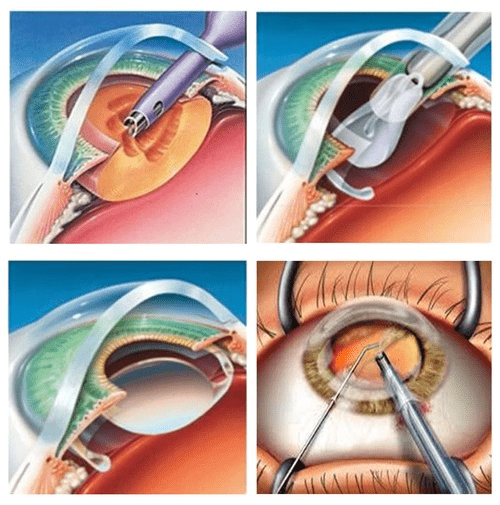
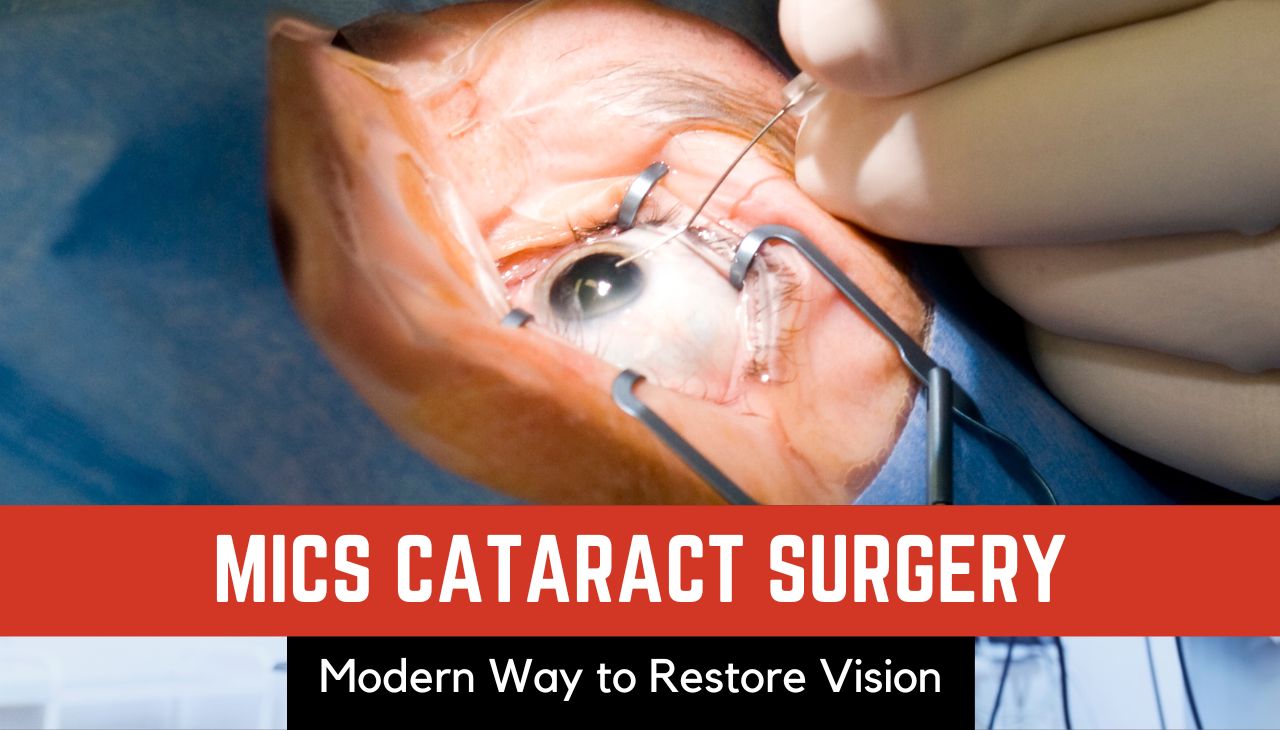
Micro Incision Cataract Surgery (MICS) is a modern, minimally invasive procedure used to treat cataracts. Unlike traditional cataract surgery, MICS utilizes very small incisions, typically less than 2.2mm, to remove the cloudy lens from the eye. This smaller incision size leads to less tissue disruption and a quicker recovery time. MICS is performed using advanced laser technology and specialized instruments, making it a safe, effective, and precise option for cataract removal.
Causes and Symptoms of Cataracts
Cataracts develop when the natural lens in the eye becomes cloudy over time. This is typically a result of aging, but it can also be caused by other factors such as:
- Genetics: Family history may increase the likelihood of developing cataracts.
- Eye injuries: Trauma to the eye can lead to cataract formation.
- Health conditions: Diabetes, hypertension, and other chronic conditions can contribute to cataracts.
- Medications: Long-term use of corticosteroids has been linked to cataract formation.
The symptoms of cataracts include:
- Blurry or cloudy vision
- Difficulty seeing at night or in low light
- Colors appearing faded or yellowish
- Double vision or halos around lights
- Frequent changes in glasses prescriptions
If you experience any of these symptoms, it’s important to consult with an eye care professional for evaluation.
The Benefits of MICS Cataract Surgery
MICS cataract surgery offers numerous advantages over traditional methods, making it a preferred option for many patients:
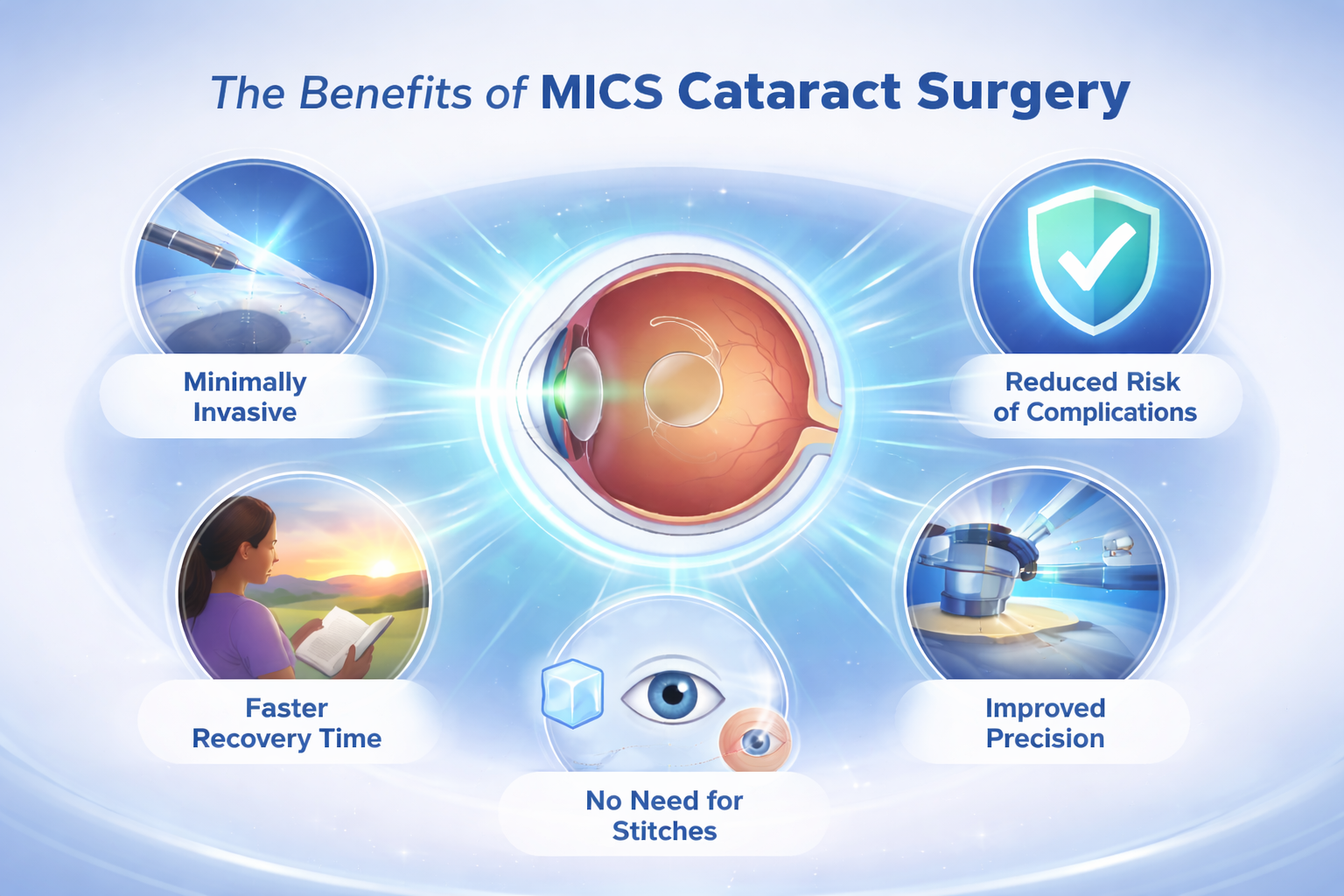
- Minimally Invasive: The small incision size minimizes tissue damage, resulting in less discomfort and faster recovery.
- Reduced Risk of Complications: With smaller incisions, there is a lower risk of infections and other complications during and after the surgery.
- Faster Recovery Time: MICS patients typically experience a quicker recovery, with most individuals returning to their normal activities within a few days.
- Improved Precision: The use of laser technology allows for greater accuracy in lens removal, ensuring the best possible outcomes.
- No Need for Stitches: The small incisions often seal themselves, eliminating the need for stitches and further speeding up recovery.
Aftercare and Recovery
After MICS surgery, patients are typically given instructions on how to care for their eyes during the healing process. Some common tips include:
- Use prescribed eye drops to prevent infection and reduce inflammation.
- Avoid rubbing your eyes to prevent irritation or damage.
- Wear sunglasses to protect your eyes from bright light and UV rays.
- Follow up with your eye doctor for post-surgery check-ups to ensure proper healing.
About Laxmi Eye Hospital
Laxmi Eye Hospital, with over 30 years of expertise, is renowned for offering comprehensive eye care services. Specializing in cataract surgery, LASIK, glaucoma treatment, diabetic eye care, and retinal treatments, Laxmi Eye Hospital provides world-class facilities and cutting-edge technology to ensure the best outcomes for their patients. Whether you need cataract surgery, corrective lenses, or specialized treatments, Laxmi Eye Hospital is your trusted partner in restoring clear vision.
To schedule a consultation, visit one of our branches in [insert locations] or book an appointment online through our website.
FAQs About MICS Cataract Surgery
- Is MICS cataract surgery suitable for all patients?
- MICS is ideal for most patients, but some may require traditional cataract surgery depending on the severity of the condition or eye structure.
- How long does MICS surgery take?
- The procedure typically takes 15 to 30 minutes, depending on the complexity of the case.
- Will I need to stay in the hospital overnight after surgery?
- Most patients can go home the same day after MICS surgery.
- Is there any pain during the procedure?
- The surgery is performed under local anesthesia, so patients usually do not experience pain during the procedure.
- How long does it take to recover after MICS surgery?
- Most patients experience improved vision within a few days, with complete recovery in about 1-2 weeks.
- Are there any risks involved with MICS cataract surgery?
- MICS is a very safe procedure, but as with any surgery, there are minor risks such as infection or inflammation.
- Can I drive after MICS cataract surgery?
- It’s advised to avoid driving for at least 24-48 hours after surgery, and follow-up appointments will help determine when it’s safe to resume activities.
Conclusion
MICS cataract surgery is a modern and gentle approach to restoring clear vision. With smaller incisions, less discomfort, and a faster recovery, it offers a better alternative to traditional methods. If you’re considering cataract surgery, consult with an experienced professional at Laxmi Eye Hospital to explore the best treatment options for your needs.