
Diplopia
Have you ever looked at a single object and seen two images instead of one? That experience is called diplopia, or double vision. It can feel confusing and even frightening. You may wonder whether the issue lies in your eyes or in your brain. This blog explains what diplopia means, what causes it, how doctors diagnose it, and what treatment options are available. By the end, you will understand when double vision is harmless and when it needs urgent care.
What Is Diplopia?
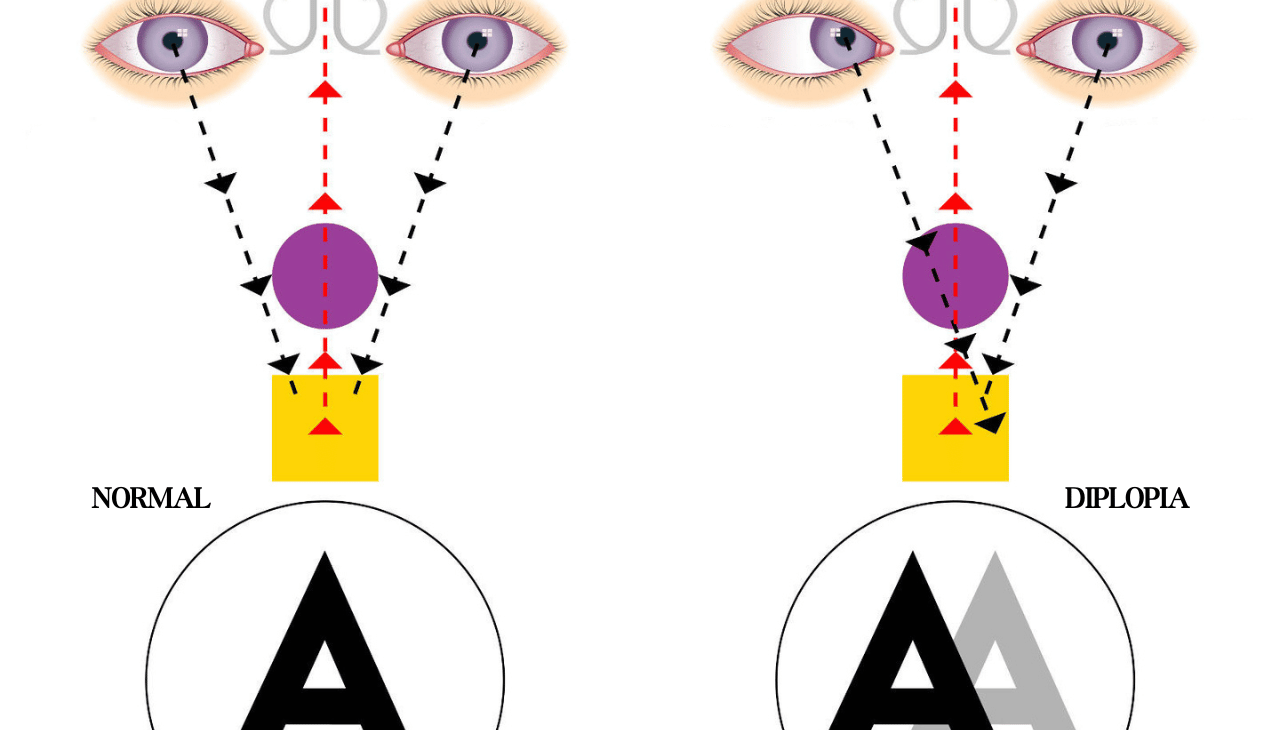
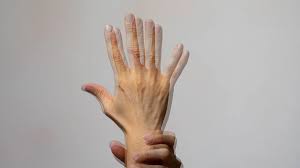
Diplopia means seeing two images of one object. The images may appear:
- Side by side
- One above the other
- Diagonally separated
There are two main types of diplopia:
1. Monocular Diplopia
- Double vision persists even when one eye is closed.
- The problem usually lies within that eye.
- Common causes include refractive errors, cataract, or corneal irregularities.
2. Binocular Diplopia
- Double vision disappears when either eye is closed.
- This happens because both eyes are not aligned properly.
- It often points to muscle or nerve issues.
Your eyes normally work together. Each eye sends a slightly different image to the brain. The brain merges these two images into one clear picture. When the eyes are misaligned or signals from the nerves are disturbed, the brain cannot combine them correctly. You then see double.
Causes and Symptoms of Diplopia
Double vision is not a disease by itself. It is a symptom. The cause can range from minor eye issues to serious neurological problems.
Common Eye-Related Causes
- Uncorrected refractive errors
- Cataract
- Dry eye
- Corneal problems such as keratoconus
- Weak eye muscles
For example, if you have a cataract, light entering the eye scatters unevenly. This can create overlapping images.
Brain and Nerve-Related Causes
- Nerve palsy affecting eye movement
- Stroke
- Brain tumor
- Head injury
- Multiple sclerosis
- Diabetes affecting eye nerves
If a nerve that controls eye muscles becomes weak, one eye may drift slightly. Even a small misalignment can lead to double vision.
Associated Symptoms
You may also notice:
- Headache
- Eye pain
- Drooping eyelid
- Dizziness
- Difficulty moving the eye
Ask yourself: Did the double vision start suddenly? Did it follow an injury? Sudden onset with other neurological symptoms needs urgent evaluation.
Treatment Options and Management
Treatment depends entirely on the cause. That is why a detailed eye and neurological exam is necessary.
Step 1: Proper Diagnosis
Your doctor may perform:
- Vision testing
- Eye alignment tests
- Slit lamp examination
- Retinal check
- Blood tests
- MRI or CT scan if needed
The goal is to find out whether the issue starts in the eye, muscles, nerves, or brain.
Step 2: Treatment Based on Cause
If the problem is eye-related:
- Glasses can correct refractive errors.
- Cataract surgery can remove cloudy lenses.
- Lubricating drops can treat dry eye.
The issue is muscle or nerve-related:
- Prism glasses help align images.
- Eye muscle exercises may improve coordination.
- In some cases, surgery corrects misalignment.
If the cause is systemic:
- Diabetes control can improve nerve function.
- Stroke treatment must begin immediately.
- Neurological disorders need specialist care.
Temporary diplopia from minor nerve weakness may resolve within weeks. Persistent or worsening double vision needs further attention.
Practical Tips and When to See a Doctor
You should not ignore double vision. Early diagnosis makes treatment easier.
Seek medical help if:
- Double vision appears suddenly
- It follows head trauma
- You have slurred speech or weakness
- One eyelid droops
- Headache is severe
Keep track of your symptoms. Note when the double vision occurs. Is it constant or only when you look in certain directions? These details help your doctor.
Maintain good control of blood sugar and blood pressure. Many nerve-related eye problems link to uncontrolled diabetes and hypertension.
Do not self-medicate. Eye drops without advice may not solve the issue.
Consultation at Laxmi Eye Hospital
Laxmi Eye Hospital is one of the largest chains of eye hospitals in Mumbai. It has served patients for more than 30 years. The hospital is known for experienced eye doctors and transparent treatment plans.
Laxmi Eye Hospital offers advanced diagnostic and surgical eye care in Panvel, Kharghar, Kamothe, and Dombivli. Patients receive care for cataract, LASIK, glaucoma, and retina disorders under one roof at affordable cost.
Services include:
- Specs Removal through Bladeless LASIK, ICL, IPCL, and Contoura Vision
- Cataract surgery
- Glaucoma management
- Diabetic eye care
- Cornea clinic services including keratoconus management and eye donation
- Retina treatment
- Pediatric ophthalmology
If you experience double vision, a comprehensive evaluation at Laxmi Eye Institute can identify the cause and guide proper treatment.
FAQs
1. Is diplopia always serious?
Not always. Some cases relate to minor eye problems. Sudden or persistent double vision needs evaluation.
2. Can stress cause double vision?
Stress alone rarely causes true diplopia. Fatigue may blur vision, but consistent double images need medical check.
3. Will double vision go away on its own?
Temporary nerve weakness may improve. If symptoms persist beyond a few days, consult a doctor.
4. Can cataract cause double vision?
Yes. A cloudy lens can scatter light and create overlapping images.
5. Is double vision a sign of stroke?
It can be. Sudden diplopia with weakness, slurred speech, or imbalance requires emergency care.
6. Do children get diplopia?
Yes. Misaligned eyes or neurological conditions can cause it. Pediatric evaluation is important.
7. Can diabetes lead to diplopia?
Yes. High blood sugar can damage nerves controlling eye muscles.
Conclusion
Diplopia is more than just seeing double. It can signal a simple eye issue or a serious brain condition. The key lies in identifying the cause early.
If you notice persistent or sudden double vision, do not ignore it. Timely evaluation can protect both your vision and overall health. Your eyes and brain work together. When one struggles, your vision changes. Seeking the right care can restore clarity and confidence in what you see.