Amblyopia And Strabismus
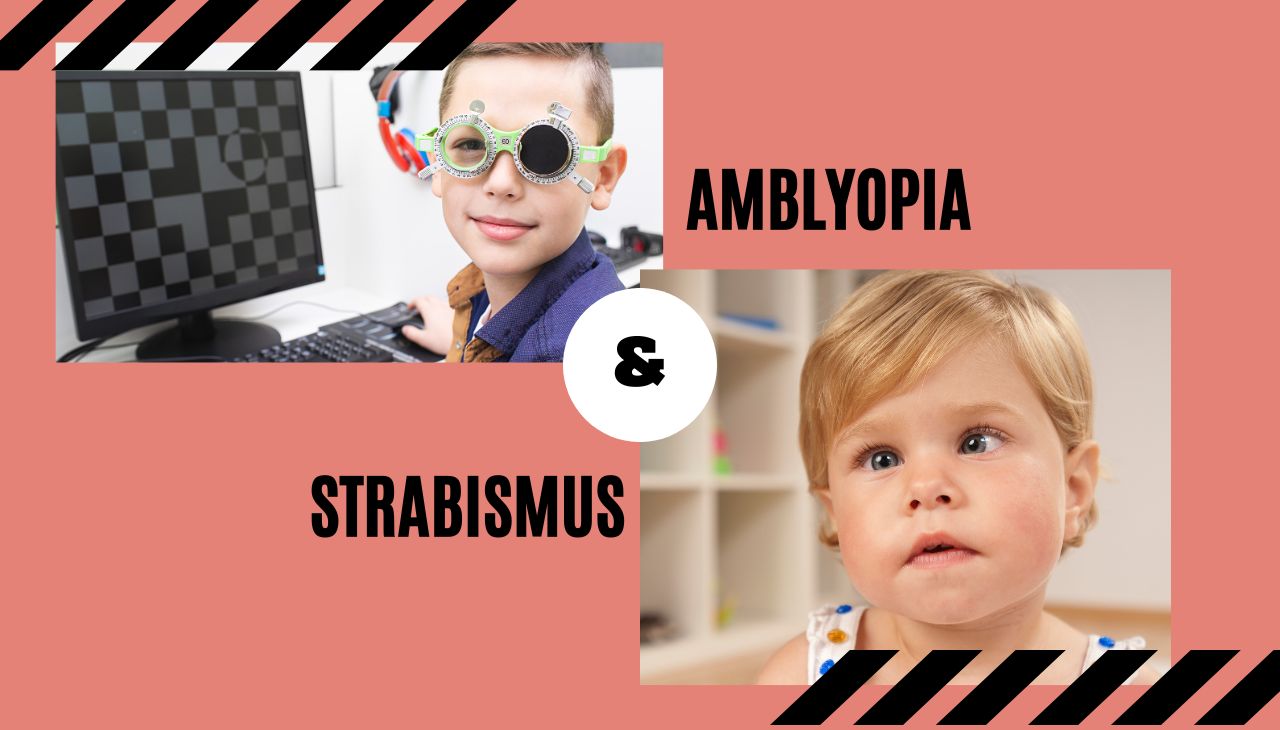
Amblyopia, also known as “lazy eye,” is a common condition that affects vision, particularly in children. One of the most common causes of amblyopia is strabismus, a condition where the eyes do not align properly. This misalignment can result in poor vision development in one eye. Understanding the connection between these two conditions is essential for timely diagnosis and treatment. In this blog, we’ll explore how strabismus can cause amblyopia, its causes, symptoms, treatment options, and ways to prevent this condition from affecting your child’s vision.
Understanding the Basics
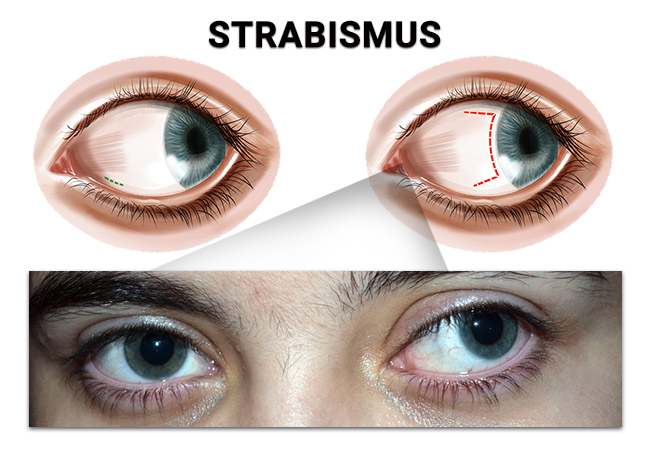
Amblyopia occurs when one eye has weaker vision than the other, and the brain begins to favor the stronger eye, causing the weaker eye to lose its ability to see clearly. In children, this condition can lead to permanent vision impairment if not treated early.
Strabismus refers to the misalignment of the eyes, where one or both eyes may turn inwards, outwards, upwards, or downwards. This misalignment can occur intermittently or consistently. When strabismus occurs, the brain may receive two different visual inputs, leading to confusion, and over time, the brain may suppress the input from the misaligned eye, causing amblyopia.
The relationship between strabismus and amblyopia is significant because misalignment often results in the brain ignoring the signals from one eye, which can lead to the development of amblyopia if not addressed early.
Causes and Risk Factors
Several factors can contribute to the development of strabismus and, subsequently, amblyopia. These include:
- Genetics: A family history of strabismus increases the likelihood of a child developing this condition.
- Prematurity: Premature infants are at a higher risk for strabismus and amblyopia.
- Uncorrected refractive errors: Conditions like farsightedness or nearsightedness can lead to strabismus, especially in children who may compensate by turning their eyes.
- Neurological issues: Conditions affecting the brain, such as cerebral palsy or stroke, can also contribute to strabismus.
- Trauma or illness: Eye injuries or conditions like cataracts can cause misalignment in the eyes, leading to amblyopia if not treated promptly.
Signs and Symptoms
Amblyopia often goes unnoticed because the condition develops gradually. However, symptoms to watch for include:
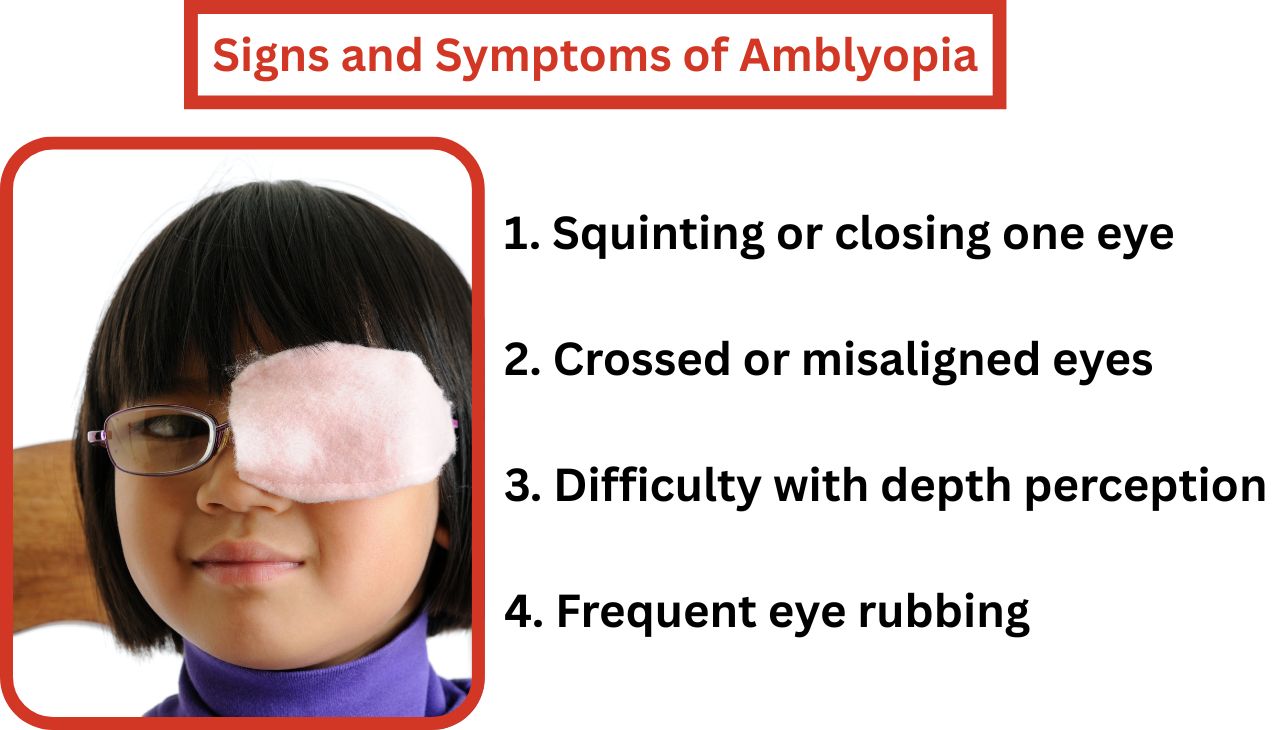
- Squinting or closing one eye in bright light or when trying to focus on objects.
- Crossed or misaligned eyes (strabismus), which may be more noticeable when the child is tired or looking at something distant.
- Difficulty with depth perception or an inability to judge distances accurately.
- Frequent eye rubbing or complaints of headaches.
As amblyopia progresses, the affected eye may appear to be “lazy,” or the child may have trouble focusing on objects with that eye. The child may also exhibit signs of double vision or reduced vision in one eye.
Diagnosis and Tests
To diagnose strabismus and amblyopia, an eye care professional will conduct a thorough eye examination, which may include:
- Visual acuity test: This checks how well each eye can see at various distances.
- Cover test: The doctor covers one eye at a time to see if the other eye moves to compensate, revealing any misalignment.
- Retinoscopy: This test helps detect refractive errors and the need for corrective lenses.
- Ocular motility test: To assess the eye muscles and the range of movement.
Early detection is crucial, as amblyopia can be effectively treated if diagnosed before the age of 7 or 8, when the brain’s visual pathways are still developing. Regular eye check-ups, starting from the age of 6 months, can ensure early detection and better outcomes.
Treatment Options
The treatment for strabismus and amblyopia depends on the severity and underlying cause. Common treatment options include:
- Eyeglasses or contact lenses: Correcting refractive errors can sometimes help with strabismus and amblyopia, improving vision and reducing eye misalignment.
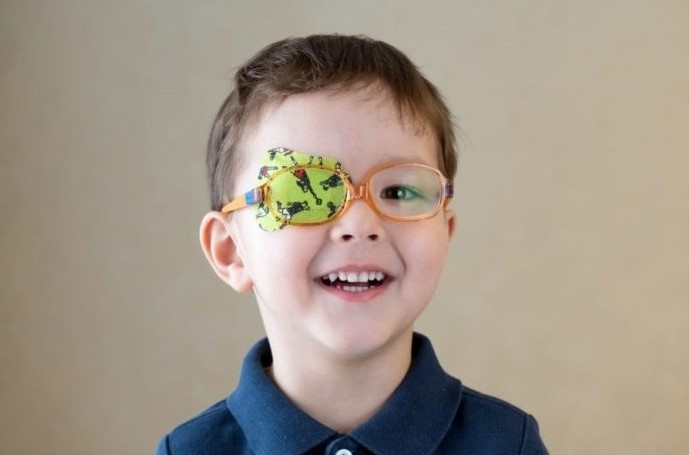
- Patching: One of the most common treatments for amblyopia is patching the stronger eye. This forces the weaker eye to work harder, improving its visual development.
- Vision therapy: Eye exercises can help strengthen the eye muscles and improve coordination between the eyes.
- Surgical correction: In some cases, surgery may be necessary to realign the eyes if other treatments don’t work. This is especially common in children with severe strabismus.
- Botulinum toxin (Botox): In certain cases, Botox may be injected into the eye muscles to temporarily relieve misalignment and allow for better vision.
Treatment for amblyopia may involve a combination of these methods, tailored to the individual’s needs. The key to success is early intervention, as untreated amblyopia can lead to permanent vision loss.
Lifestyle Tips & Prevention
While strabismus and amblyopia may not always be preventable, certain steps can reduce the risk and promote healthy eye development:
- Regular eye exams: Early and frequent eye exams are essential, especially for children who have a family history of eye conditions.
- Proper nutrition: A balanced diet rich in vitamins A, C, and E can help maintain eye health.
- Protective eyewear: Use protective goggles when engaging in sports or activities that pose a risk of eye injury.
- Limiting screen time: Too much time spent on electronic devices can strain the eyes and contribute to misalignment. Encourage outdoor play and physical activity to support eye health.
Expert Insights
“Early intervention for conditions like strabismus and amblyopia can significantly improve a child’s vision and quality of life,” says Consultant Ophthalmologist at Laxmi Eye Hospital. “With advancements in modern treatment options, including specialized eye therapies and surgical procedures, the chances of restoring vision and correcting eye alignment have greatly improved.”
Patient Awareness & Misconceptions
Many people mistakenly believe that strabismus or amblyopia will resolve on its own, but early treatment is vital. Here are some common myths:
- Myth: Amblyopia always resolves without treatment.
- Fact: Amblyopia typically requires intervention, such as patching or vision therapy, to prevent permanent vision loss.
- Fact: Amblyopia typically requires intervention, such as patching or vision therapy, to prevent permanent vision loss.
- Myth: Strabismus only affects children.
- Fact: While strabismus is more common in children, it can affect adults as well.
- Fact: While strabismus is more common in children, it can affect adults as well.
- Myth: Surgery is the only treatment for strabismus.
- Fact: Many cases of strabismus can be treated with glasses, vision therapy, or botox injections before resorting to surgery.
- Fact: Many cases of strabismus can be treated with glasses, vision therapy, or botox injections before resorting to surgery.
Consultation Information (About Laxmi Eye Hospital)
Laxmi Eye Hospital is one of the largest chains of eye hospitals in Mumbai, known for its 30+ years of excellence in eye care. The hospital provides advanced and affordable eye treatments, including specs removal, LASIK, cataract surgery, and more.
Laxmi Eye Hospital’s team of highly experienced ophthalmologists is dedicated to delivering personalized care for conditions like strabismus, amblyopia, and other eye-related concerns. With state-of-the-art diagnostic equipment and a compassionate approach to treatment, Laxmi Eye Hospital ensures the best outcomes for its patients.
Clinic Locations:
📍 Dombivli: Laxmi Eye Institute, SS Business Park, Gharda Circle, Dombivli East, Mumbai, Maharashtra 421201
📍 Kharghar: Office 108-110, 1st Floor, Anant CHS, Kharghar, Navi Mumbai, Maharashtra 410210
📍 Panvel: Mulla Hamid Rd, Old Panvel, Navi Mumbai, Maharashtra 410206
📍 Kamothe: Shop No. 26/27, Pratik Gardens, Kamothe, Navi Mumbai, Maharashtra 410209
FAQs
- What are the early symptoms of amblyopia?
- Symptoms include squinting, eye misalignment, and difficulty focusing.
- Symptoms include squinting, eye misalignment, and difficulty focusing.
- Can amblyopia be prevented?
- Regular eye exams can catch the condition early and prevent long-term damage.
- Regular eye exams can catch the condition early and prevent long-term damage.
- Is surgery necessary for strabismus?
- Not always. Many cases can be treated with glasses or therapy.
- Not always. Many cases can be treated with glasses or therapy.
- How long does it take to recover from strabismus surgery?
- Recovery time varies, but most patients recover in a few weeks.
- Recovery time varies, but most patients recover in a few weeks.
- How often should children get their eyes checked?
- Eye exams should begin at 6 months of age and continue regularly, especially if there is a family history of eye conditions.
- Eye exams should begin at 6 months of age and continue regularly, especially if there is a family history of eye conditions.
Conclusion
Amblyopia and strabismus are connected conditions that, when left untreated, can lead to lifelong vision problems. Early diagnosis and timely treatment can greatly improve outcomes, making it essential to seek professional eye care if you notice any signs of misalignment or visual difficulty. Don’t wait — prioritize your eye health and schedule a consultation with an ophthalmologist today!